As Natural Disasters Surge, Insurance Companies Tighten Coverage: What NC & SC Homeowners Must Know
The Rising Stakes: Natural Disasters and Home Insurance in North & South Carolina
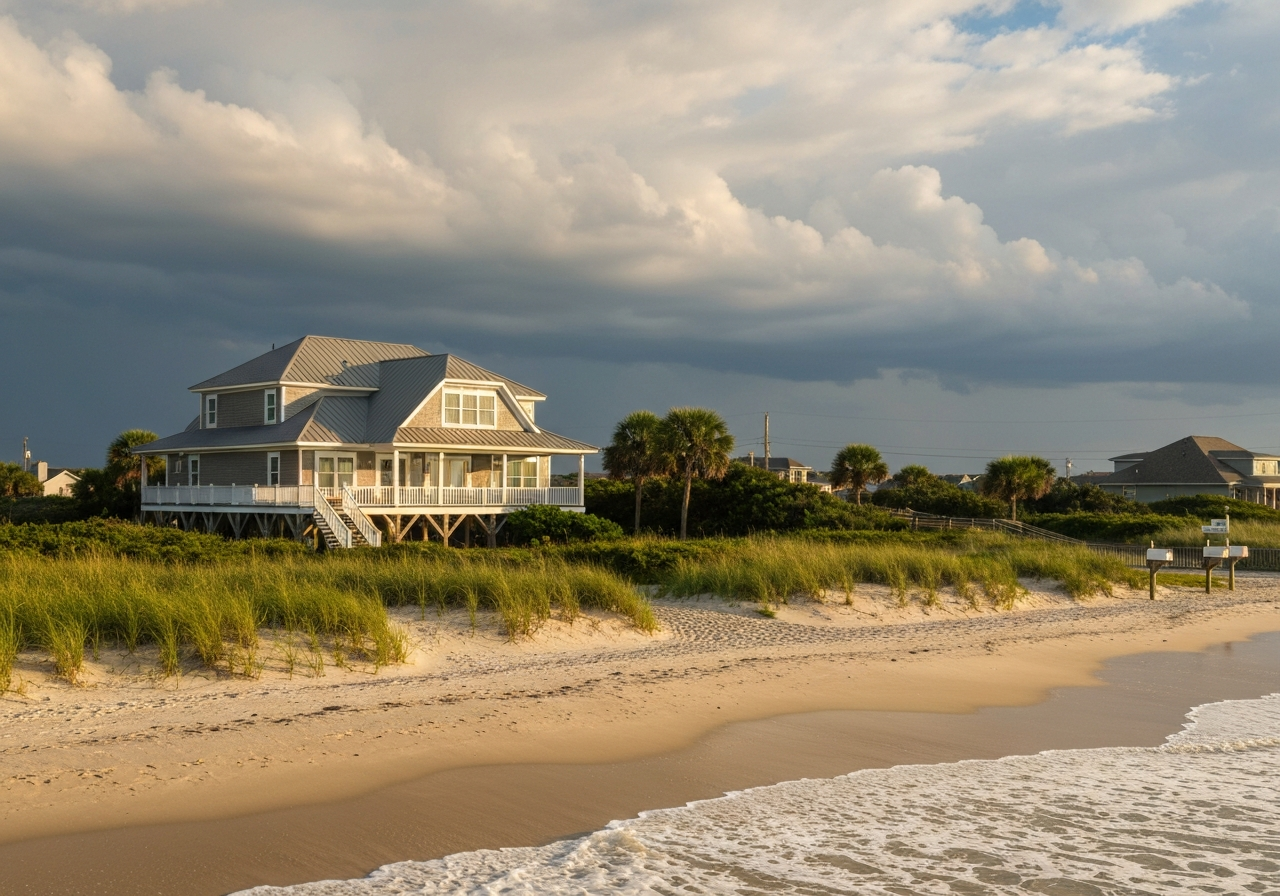
Homeowners in North and South Carolina face an increasingly challenging landscape due to the surge in natural disasters. From powerful hurricanes battering coastal communities to severe inland flooding and even unexpected wildfires, these events are testing the resilience of properties and, consequently, the stability of the insurance market. This heightened risk environment means that insurance companies tighten coverage and adjust their policies, creating new considerations for residents across both states.
Understanding Why Insurance Companies Tighten Coverage in High-Risk Areas
The primary driver behind evolving insurance policies is the escalating financial burden associated with natural disasters. Insurers operate on a model of risk assessment, and as the frequency and severity of catastrophic events increase, their payouts for claims also rise dramatically. This trend is further exacerbated by the increasing costs of repairing and rebuilding homes, driven by factors like inflation and labor shortages following widespread damage. The global reinsurance market, which provides insurance for insurance companies, also plays a critical role. When reinsurers face higher losses, they pass those costs onto primary insurers, who, in turn, adjust premiums and terms for policyholders. In some areas, outdated building codes can also contribute to higher damage, making regions like North Carolina more vulnerable to hazards, according to the Federal Emergency Management Agency’s Division of Building Sciences.
The Financial Impact: Rising Repair Costs, Reinsurance, and Catastrophic Losses
The economic fallout from natural disasters is multi-faceted. When a region experiences significant damage, the demand for construction materials and skilled labor skyrockets, driving up repair costs. This creates a scenario where the cost to rebuild often exceeds initial estimates, leading to higher payouts for insurers. For example, North Carolina experienced statewide base homeowners insurance rate increases of 7.5% on June 1, 2025, with another 7.5% increase scheduled for June 1, 2026, with some coastal areas seeing up to a 16% rise. These adjustments are a direct response to the substantial sums insurance companies have paid out and the increasing costs of reinsurance. This financial pressure ensures that insurers maintain adequate funds to cover future claims, reflecting a more realistic assessment of current and future risks.
What This Means for You: Increased Premiums, Deductibles, and Policy Changes
For homeowners in North and South Carolina, the tightening insurance market translates into several key changes. You may experience:
- Increased Premiums: The most immediate impact is often higher annual costs for your homeowners insurance policy.
- Higher Deductibles: Insurers may introduce or increase deductibles, particularly for windstorm or hurricane damage, meaning you pay more out-of-pocket before your coverage kicks in.
- Policy Limitations: Specific coverage types might be restricted or altered. For instance, new statewide rules in North Carolina, starting in June 2027, will shift many roof damage claims from full replacement cost to depreciated values through standardized roof payment schedules, potentially leaving homeowners with significant unexpected expenses for older roofs.
- Non-Renewals: In some high-risk areas, insurers may choose not to renew policies, requiring homeowners to seek coverage elsewhere.
It's crucial for residents to thoroughly review their policies and understand any changes to ensure they maintain adequate protection for their homes and assets.
Proactive Steps: Fortifying Your Home Against Coastal and Inland Threats
While insurance companies are adjusting their policies, homeowners can take proactive measures to mitigate risks and potentially influence their insurance costs. Fortifying your home against common threats is a smart investment in protection. Consider:
- Home Hardening: Upgrades like installing a FORTIFIED roof can significantly reduce wind damage during hurricanes and may even qualify you for premium discounts, particularly in North Carolina's coastal counties.
- Flood Mitigation: Elevating utilities, installing flood vents, and improving drainage around your property can reduce the impact of rising water.
- Regular Maintenance: Keeping your roof in good repair, clearing gutters, and trimming trees near your home can prevent minor issues from escalating into major claims.
- Adhering to Building Codes: Where possible, ensure your home meets or exceeds current building codes for enhanced resilience.
Key Coverage Differences: Actual Cash Value vs. Replacement Cost Value
Understanding how your policy pays out is critical, especially when reviewing homeowners insurance. Two primary valuation methods dictate your reimbursement after a covered loss: Actual Cash Value (ACV) and Replacement Cost Value (RCV).
- Actual Cash Value (ACV): This method pays for the cost to replace your damaged property minus depreciation. Depreciation accounts for the item's age, wear, and tear. For example, a 10-year-old roof would be valued significantly less than a new one, and your payout would reflect this reduced value. The North Carolina Department of Insurance provides a clear definition.
- Replacement Cost Value (RCV): This coverage pays to repair or replace your damaged property with new items of similar kind and quality, without deducting for depreciation. While RCV policies generally come with higher premiums, they offer more comprehensive financial protection, ensuring you can rebuild or replace items without significant out-of-pocket expenses.
Most standard homeowners policies, such as those offered by Beach Insurance LLC, provide RCV for the dwelling structure. However, personal property often defaults to ACV unless an endorsement for RCV is added. It's essential to compare RCV vs. ACV to determine which option best suits your financial comfort and the value of your belongings.
Options for Coverage: Navigating State-Specific FAIR and Coastal Plans (NC Example)
For homeowners in high-risk areas who may struggle to find coverage in the standard market, North Carolina offers "insurer of last resort" options. These plans ensure that property owners can still secure essential protection:
- FAIR Plan (Fair Access to Insurance Requirements): Administered by the North Carolina Joint Underwriting Association (NCIUA), the FAIR Plan primarily serves inland property owners who cannot obtain coverage through the voluntary market.
- Coastal Property Insurance Pool (CPIP): Also managed by the NCIUA, the CPIP provides last-resort home insurance in North Carolina's 18 eligible coastal counties.
These plans offer a safety net, but it's important to understand their limitations, which might include more restricted coverage or higher premiums compared to policies available in the voluntary market. Additionally, standard homeowners insurance policies typically exclude flood damage, making a separate flood insurance policy a critical consideration for both coastal and inland properties in the Carolinas.
Shopping for Home Insurance: Tips for NC & SC Residents to Find the Best Value
Navigating the changing home insurance market requires a strategic approach. Here are some tips for North and South Carolina residents to find the best value and ensure adequate coverage:
- Shop Around Annually: Don't settle for the first quote. Obtain quotes from multiple insurance providers each year to compare rates and coverage options.
- Work with an Independent Agent: Independent agents can compare policies from numerous carriers on your behalf, often finding more competitive rates and tailored coverage that you might miss by contacting individual companies.
- Understand Your Policy Details: Pay close attention to deductibles, coverage limits, exclusions (like flood or hurricane deductibles), and whether your personal property is covered at ACV or RCV.
- Create a Home Inventory: A detailed list of your possessions, including photos or videos, can significantly streamline the claims process and help you determine appropriate personal property coverage limits.
- Ask About Discounts: Inquire about available discounts for home hardening measures, security systems, bundling policies (e.g., home and auto), or having a good claims history.
Securing Your Sanctuary: Adapting to a New Era of Home Protection
The evolving landscape of natural disasters and their impact on insurance in North and South Carolina underscores the importance of proactive measures and informed decision-making. As insurance companies tighten coverage, staying ahead means understanding your risks, fortifying your home where possible, and meticulously reviewing your insurance options. Protecting your home and financial well-being in this new era of environmental challenges requires diligence and a partnership with knowledgeable insurance professionals who can guide you through the complexities of available policies and help you secure the peace of mind you deserve.
For more information on personal insurance options, consider exploring resources from Beach Insurance LLC.
Ready to secure your home? Visit our Contact Us page to learn more about comprehensive home insurance options.