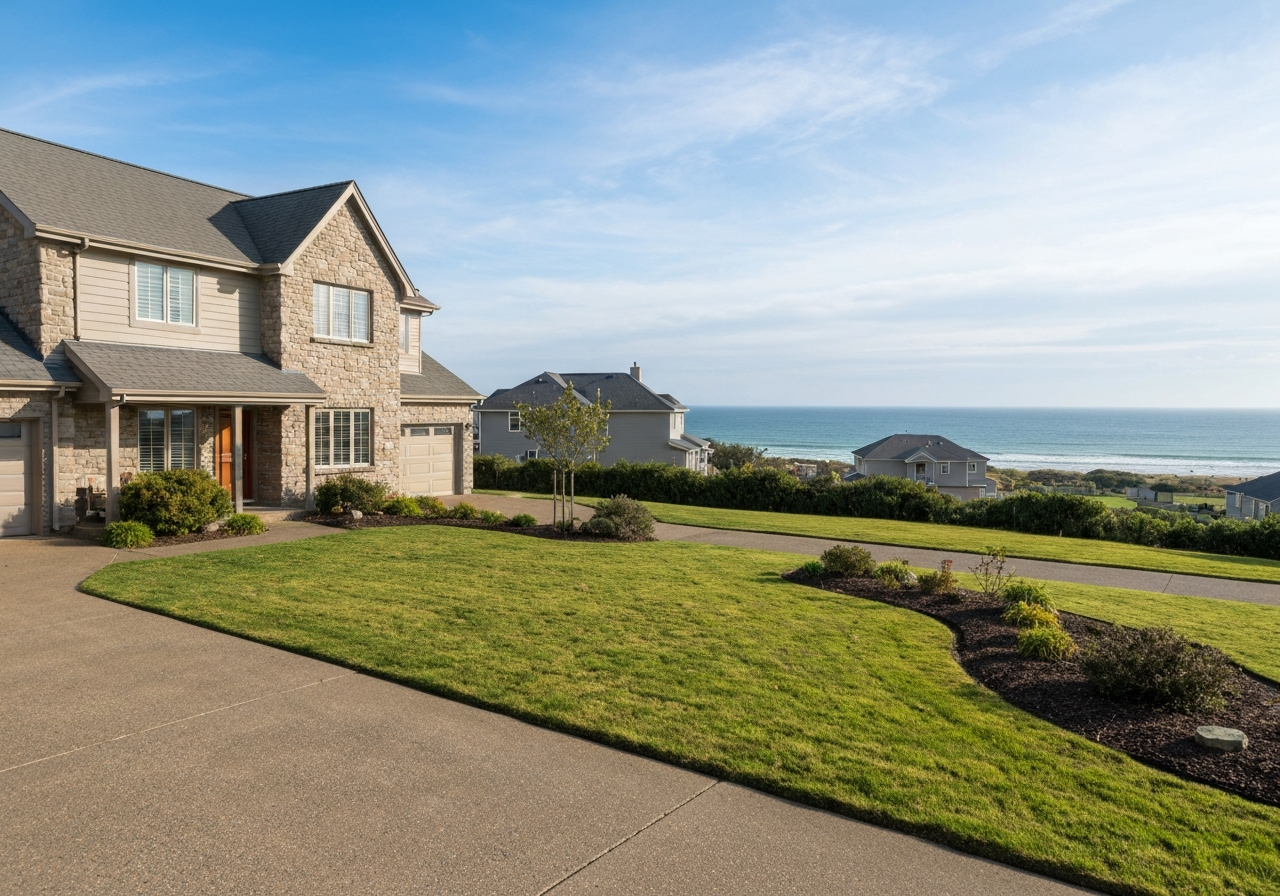
Essential Insights for SC & NC Coastal Homeowners: Understanding Hurricane and Windstorm Deductibles 2025
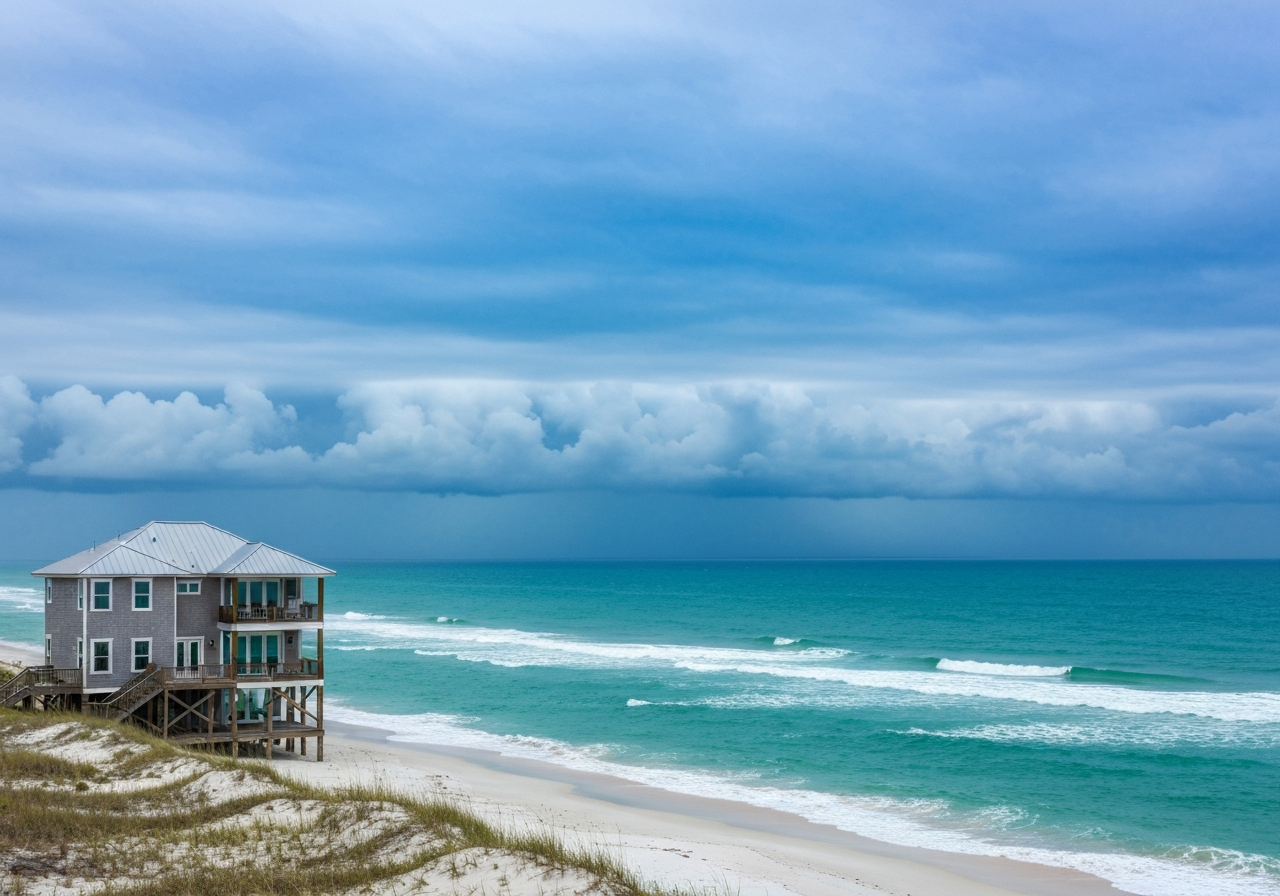
Coastal Living in SC & NC: Understanding Your Home's Unique Risks
Living along the picturesque coasts of South Carolina and North Carolina offers unparalleled beauty, but it also comes with inherent challenges, particularly regarding property protection. The Atlantic hurricane season consistently reminds residents of the powerful forces of nature. As we look towards Hurricane and Windstorm Deductibles 2025, understanding these unique risks is more critical than ever.
Coastal areas in both states face elevated exposure to tropical storms, hurricanes, and severe wind events. Recent reports indicate a projected above-normal Atlantic hurricane season, with South Carolina having a significant chance of experiencing a major hurricane this year. This heightened risk directly impacts homeowners' insurance, with average annual premiums climbing significantly in some coastal SC areas.
Beyond direct storm damage, homeowners also contend with factors like rising reinsurance rates and evolving FEMA flood maps, which can reclassify properties into higher-risk flood zones. These elements collectively contribute to a complex insurance landscape, making it essential for coastal residents to be well-informed about their coverage.
Decoding Hurricane and Windstorm Deductibles 2025
In hurricane-prone regions, standard homeowners insurance policies often feature specialized deductibles for hurricane and windstorm damage. These are distinct from your standard homeowners deductible, which applies to perils like fire or theft. Introduced after catastrophic events like Hurricane Andrew in 1992 and widely adopted after Hurricane Katrina in 2005, these deductibles serve as a risk-sharing mechanism between policyholders and insurers.
A "hurricane deductible" specifically applies to damage caused solely by a hurricane as categorized by the National Weather Service or U.S. National Hurricane Center. A "named storm deductible" is broader, encompassing damage from any weather event that has been assigned a formal name, including tropical depressions and tropical storms. "Windstorm or wind/hail deductibles" apply to any type of damage from a wind or hail event, regardless of whether it's part of a named storm. Understanding these distinctions is crucial for coastal homeowners evaluating their coverage for Hurricane and Windstorm Deductibles 2025.
According to the National Association of Insurance Commissioners (NAIC), nineteen states and the District of Columbia have some form of hurricane or named storm deductible in place, including South Carolina and North Carolina.
How Hurricane and Windstorm Deductibles Function
The application of hurricane and windstorm deductibles hinges on specific "trigger events" outlined in your insurance policy. These triggers vary by state and insurer. For a named storm deductible in North Carolina, for instance, it is typically activated when an advisory, watch, or warning for a named storm is issued for any part of the state by the National Weather Service, and it generally remains in effect for 24 hours following the termination of the last watch or warning.
Once triggered, these deductibles represent the amount you, the policyholder, must pay out of pocket before your insurance coverage begins for a qualifying claim. Unlike a fixed dollar amount, many hurricane and windstorm deductibles are expressed as a percentage of your home's insured value, specifically your Coverage A (Dwelling) amount or sometimes Coverage C (Personal Property).
For example, if your home has dwelling coverage of $300,000 and a 2% named storm deductible, you would be responsible for the first $6,000 of covered damages. If your windstorm deductible is 1% on a $200,000 insured value, you would pay $2,000 per wind or hail-related claim.
Percentage vs. Dollar Amount: What Coastal Homeowners Need to Know
The most common form of hurricane and windstorm deductibles in coastal areas is the percentage deductible, typically ranging from 1% to 5% of your home's insured value, though it can be higher in very high-risk zones. This differs significantly from the traditional fixed dollar deductible (e.g., $500 or $1,000) often applied to other perils. The financial implications of a percentage deductible can be substantial, as the out-of-pocket expense directly scales with your home's value.
For instance, a 5% hurricane deductible on a $400,000 home means you would pay the first $20,000 in covered storm damages. In some states, insurers may offer the option of a higher premium in exchange for a traditional dollar deductible, but this may not be available in all high-risk coastal areas where percentage deductibles are mandatory.
Homeowners must carefully review their policy declarations page to understand which type of deductible applies to their property and the specific percentage or dollar amount. This clarity is paramount for financial preparedness, especially concerning Hurricane and Windstorm Deductibles 2025.
Navigating Deductibles in South Carolina and North Carolina
Both South Carolina and North Carolina have specific regulations and entities designed to address the unique insurance needs of coastal residents. In South Carolina, insurers are required to clearly notify policyholders if their residential property insurance includes a separate deductible for hurricane, named storm, or wind/hail damage. They must also provide an example of how this deductible functions for a $100,000 policy and explain the trigger event.
The South Carolina Wind and Hail Underwriting Association (Wind Pool) serves as an insurer of last resort for properties unable to find windstorm and hail damage coverage in the voluntary market, operating in specific coastal areas.
In North Carolina, windstorm and hail coverage may be excluded from primary residential property policies, necessitating a separate policy. The North Carolina Insurance Underwriting Association (NCIUA), also known as the Coastal Property Insurance Pool, often provides this separate windstorm and hail coverage in the state's Beach and Coastal Areas. Eligibility for an NCIUA windstorm and hail policy requires an active primary coverage policy from an admitted carrier that has excluded windstorm.
Understanding these state-specific provisions and the role of "wind pools" is critical for homeowners ensuring comprehensive home insurance protection.
Strategies for Coastal Homeowners: Managing Deductible Costs
While hurricane and windstorm deductibles are a reality for coastal homeowners, several strategies can help manage these potential out-of-pocket expenses and overall insurance costs. One effective approach is to focus on risk mitigation through home improvements. Upgrades such as adding a new roof, installing storm-resistant windows, or reinforcing your home against wind damage can make your property more resilient. Insurers often reward such efforts with lower premiums, offering increased deductibles savings.
Another strategy is to combine multiple insurance policies, such as homeowners, flood, windstorm, and auto insurance, with the same company. This can lead to discounts on premiums and simplify billing and claims processes. Furthermore, while it might seem counterintuitive, choosing a higher deductible can sometimes lower your annual premiums in the long run. However, it is crucial to ensure you have sufficient savings to cover that higher deductible if a storm hits.
Coastal homeowners should also actively compare rates among different providers and document their possessions to accurately assess their value. Building a strong credit score can also qualify you for insurance discounts. Finally, for minor damages, considering whether to pay out of pocket to avoid potential rate increases on your policy can be a smart financial decision.
Protecting Your Investment: Partnering with Beach Insurance LLC
Navigating the complexities of Hurricane and Windstorm Deductibles 2025 and coastal homeowners insurance requires expert guidance. The unique risks and regulations in South Carolina and North Carolina demand a thorough understanding of policy details, trigger events, and deductible structures. Simply put, being informed is your best defense against unexpected costs.
Understanding your policy—especially how deductibles are calculated and what events trigger them—is paramount. Beach Insurance LLC specializes in helping coastal homeowners like you decipher these intricate details. We understand the local market and the specific challenges faced by residents in hurricane-prone areas.
By partnering with Beach Insurance LLC, you gain access to dedicated professionals who can help you assess your property's specific risks, explain your coverage options in clear terms, and identify potential savings through appropriate risk mitigation strategies. Our goal is to ensure you have the comprehensive protection you need, offering peace of mind even as storm seasons approach.
Ready to safeguard your coastal home against the next storm season? Learn more about Hurricane and Windstorm Deductibles 2025 and comprehensive coverage options by visiting our Contact Us page.