Flood Insurance in South Carolina: Your Local Expert Guide to Coastal Protection
Protecting Your Home from South Carolina's Waters
Living in the beautiful coastal state of South Carolina offers unparalleled charm, but it also comes with inherent risks, particularly from flooding. While many homeowners believe their standard insurance policies offer protection, the reality is that typical homeowners insurance does not cover flood damage. This makes securing specific Flood Insurance in South Carolina an absolute necessity for safeguarding your property and financial well-being.
Understanding Flood Insurance in South Carolina
Flood insurance is a specialized policy designed to cover losses and damages directly caused by flooding. In South Carolina, where coastal communities and inland areas alike can be vulnerable to heavy rainfall, storm surge, and overflowing waterways, this coverage is crucial. It’s important to understand that a flood is defined as a general and temporary condition of partial or complete inundation of two or more acres of normally dry land area or of two or more properties (at least one of which is your own) from:
- Overflow of inland or tidal waters.
- Unusual and rapid accumulation or runoff of surface waters from any source.
- Mudflow.
Even if your property isn't in a designated high-risk flood zone, unexpected weather events can lead to significant water damage. In fact, a considerable percentage of flood claims come from areas considered low to moderate risk.
Why Coastal South Carolina Homes Need Flood Coverage
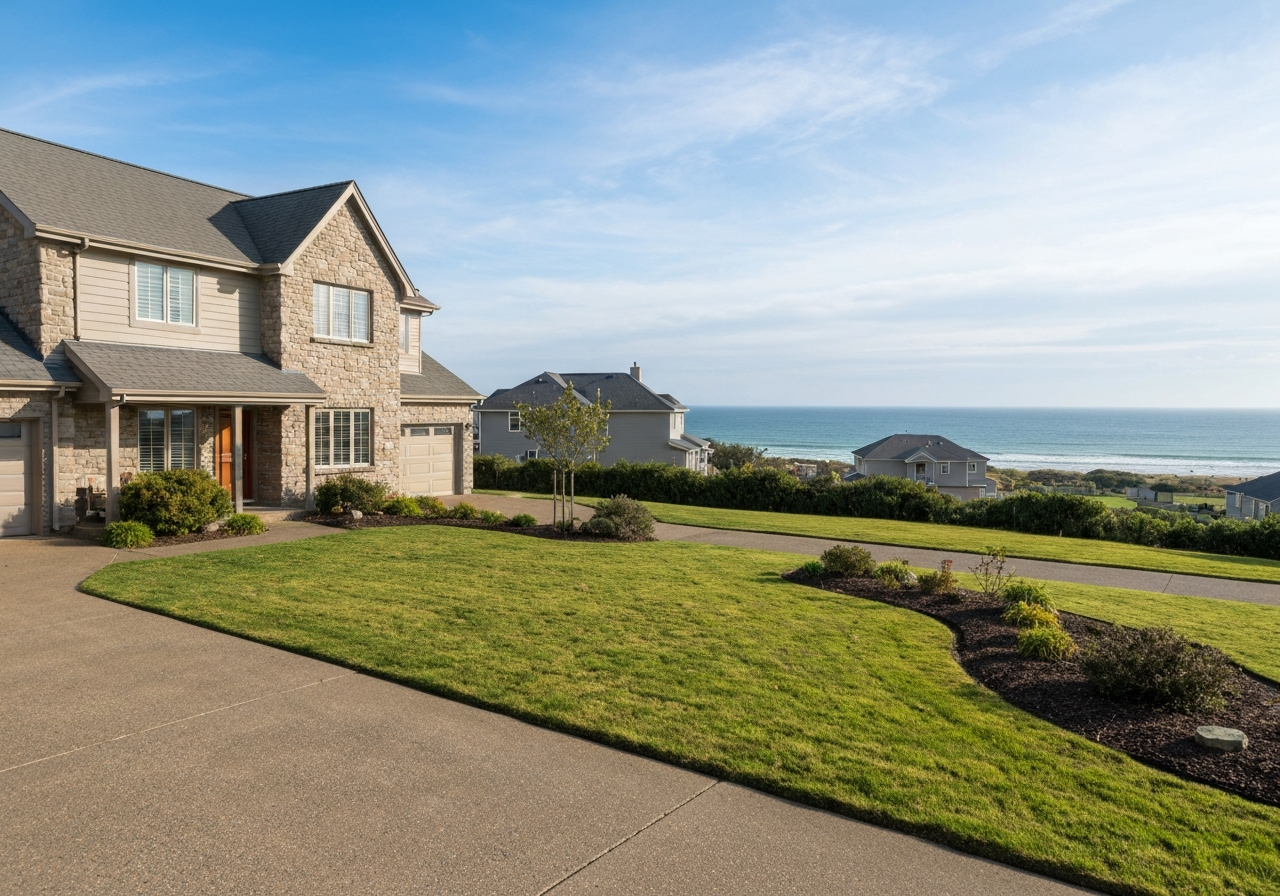
South Carolina's stunning coastline, home to vibrant cities like Charleston, Myrtle Beach, and Isle of Palms, faces unique flood risks. Hurricanes and tropical storms frequently impact the region, bringing with them storm surge, heavy rainfall, and potential flash flooding. Even minor flooding can lead to extensive and costly damage to a home's structure and contents. For instance, just one inch of floodwater can cause over $25,000 in damage, a real-world lesson often overlooked until it's too late. Beyond the coast, inland areas can also experience significant flooding due to heavy rains or river overflows. Therefore, protecting your property with robust Flood Insurance in South Carolina is not just a regulatory requirement for some; it's a smart, proactive decision for nearly all homeowners.
NFIP vs. Private Flood Insurance: Choosing Your Path
When seeking Flood Insurance in South Carolina, homeowners typically have two main avenues: the National Flood Insurance Program (NFIP), managed by FEMA, and private flood insurance carriers. Each option presents distinct advantages:
National Flood Insurance Program (NFIP)
- Government-Backed: NFIP policies are available in participating communities and are underwritten by the federal government.
- Standardized Coverage: They offer a baseline of coverage, typically up to $250,000 for building coverage and $100,000 for contents.
- Waiting Period: Generally, there is a 30-day waiting period before an NFIP policy takes effect, emphasizing the need to plan ahead.
Private Flood Insurance
- Higher Coverage Limits: Private carriers often provide higher coverage limits, which can be essential for high-value homes or commercial properties, including investment properties.
- Broader Coverage: These policies may offer more comprehensive protection, including additional living expenses, basement contents, and coverage for detached structures, areas where NFIP policies have limitations.
- Potentially More Competitive Rates: In certain flood zones, private options can sometimes offer more competitive pricing.
- Less Waiting Period: Some private policies may have shorter waiting periods or none at all, especially during a home closing, as highlighted by expert insight regarding market flexibility.
Understanding these differences is key to making an informed decision about the best protection for your property. An independent agency, like Beach Insurance LLC, can help compare options from both NFIP and private carriers.
Decoding Your Policy: What Flood Insurance Covers
A flood insurance policy is specifically designed to cover damage caused by rising water, a peril explicitly excluded from standard homeowners and renters insurance policies. Comprehensive Flood Insurance in South Carolina typically includes:
- Building Coverage: This protects the physical structure of your home, including the foundation, electrical and plumbing systems, HVAC equipment, water heaters, furnaces, permanently installed features like cabinets and built-in appliances, and flooring.
- Contents Coverage: This covers your personal belongings inside the home, such as furniture, clothing, electronics, and other valuables. It's important to note that NFIP policies cover contents on an actual cash value basis (replacement cost minus depreciation), while some private policies may offer replacement cost coverage for contents.
- Basement and Below-Grade Coverage: While typically limited, coverage for items in basements and crawl spaces usually includes essential utilities like water heaters and furnaces, and sometimes washers/dryers. However, personal belongings like furniture are often not covered in basements by NFIP policies.
For a detailed comparison and to understand what specific coverage limits apply, it's beneficial to consult resources like guides on the best flood insurance options.
Factors That Influence Your Flood Insurance Premiums
Several factors play a significant role in determining the cost of your Flood Insurance in South Carolina premiums. Understanding these can help you better manage your expenses:
- Flood Zone Designation: Properties located in high-risk flood zones (e.g., A or V zones) typically face higher premiums than those in moderate or low-risk areas (e.g., B, C, or X zones).
- Elevation: The elevation of your home relative to the base flood elevation (BFE) is a critical factor. Homes built higher above the BFE often qualify for lower rates. An elevation certificate can provide crucial data.
- Building Characteristics: The type of construction, foundation (e.g., crawl space, slab, elevated), number of floors, and whether the building has flood openings can impact premiums.
- Deductible: Choosing a higher deductible will generally result in lower premiums, but it means you'll pay more out-of-pocket if a flood occurs.
- Amount of Coverage: The more coverage you purchase for your building and contents, the higher your premium will likely be.
- Prior Flood Claims: Properties with a history of previous flood claims may see higher premiums.
These variables underscore why personalized quotes are essential to determine accurate costs for your specific property.
Proactive Steps: Mitigating Flood Risk for SC Homeowners
Beyond purchasing Flood Insurance in South Carolina, homeowners can take several proactive steps to mitigate their flood risk and potentially reduce their insurance premiums:
- Elevate Utilities and Appliances: Raise electrical panels, water heaters, washers, and dryers above the potential flood level.
- Install Backflow Valves: These prevent floodwater from backing up into your home through sewer lines.
- Secure Outdoor Fuel Tanks: Anchor propane or heating oil tanks to prevent them from floating away and causing spills.
- Improve Drainage: Ensure your property has proper grading to direct water away from your home's foundation.
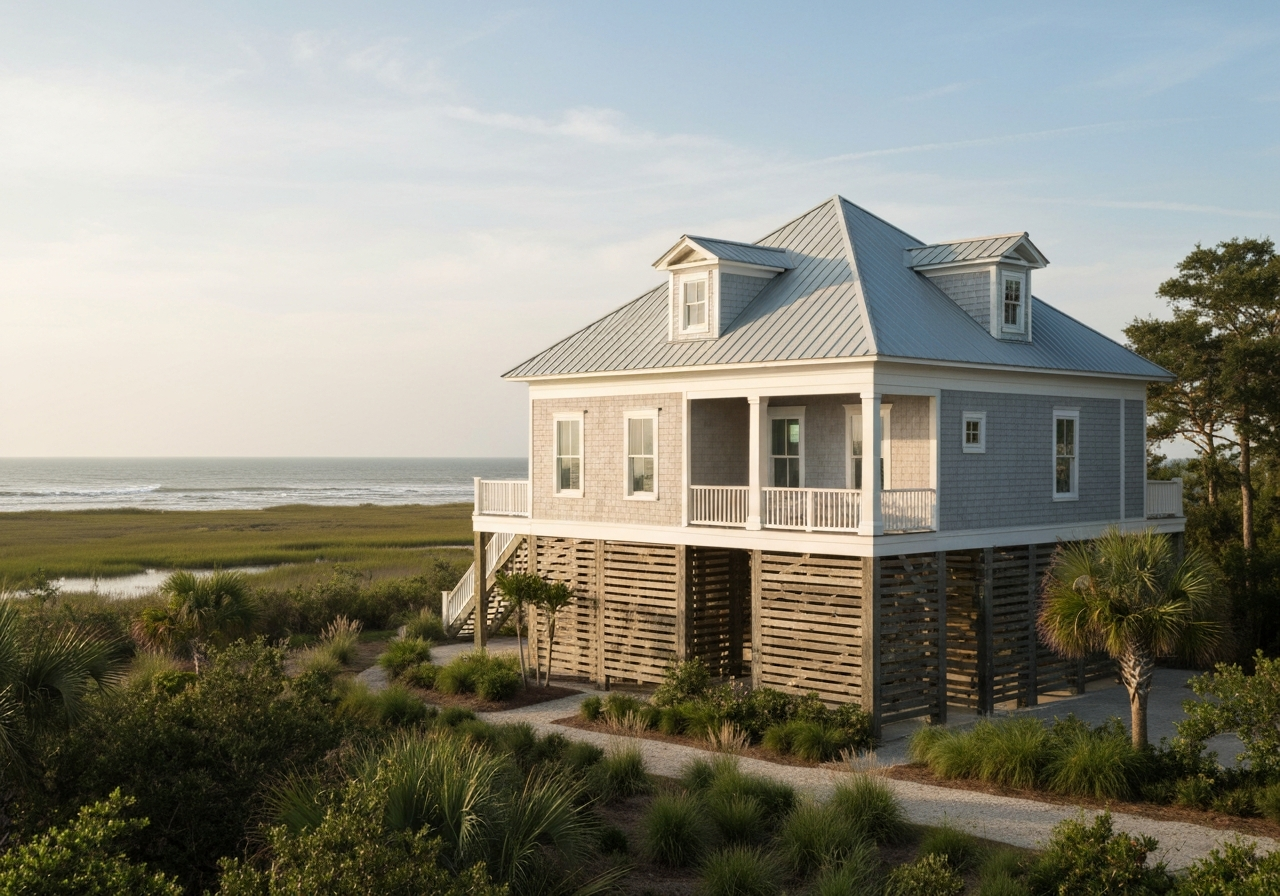
- Elevate Your Home: In high-risk areas, elevating your home on stilts or piers is a significant, but effective, mitigation strategy.
- Maintain Gutters and Downspouts: Keep them clear of debris to ensure proper water runoff from your roof.
- Landscaping for Drainage: Use permeable materials for walkways and driveways, and strategically plant vegetation to absorb water.
Taking these steps can not only protect your home but also demonstrate a commitment to risk reduction, which can be viewed favorably by insurers.
What to Do When Disaster Strikes: Navigating a Flood Claim
When a flood occurs, knowing how to navigate the claims process efficiently is vital for securing the protection provided by your Flood Insurance in South Carolina. Here’s a general guide:
- Ensure Safety: Prioritize the safety of yourself and your family. Do not re-enter a flooded home until authorities deem it safe.
- Document Damage: Once safe, thoroughly document all damage with photos and videos before starting any cleanup. This evidence is crucial for your claim.
- Prevent Further Damage: Take reasonable steps to prevent additional damage, such as turning off utilities if advised, but do not make permanent repairs before an adjuster assesses the property.
- Contact Your Agent: Immediately contact your insurance agent. They can help you initiate the claim with your carrier and guide you through the initial steps. Resources like the Beach Insurance LLC claims page can provide direct assistance.
- Meet with the Adjuster: An adjuster will be assigned to assess the damage. Provide them with all your documentation and be available to answer questions.
- Review Settlement Offer: Carefully review any settlement offer with your agent to ensure it is fair and complete before accepting.
Acting promptly and thoroughly documenting everything can significantly streamline the claims process.
Finding Your Local Expert: Securing the Right Coverage
Choosing the right Flood Insurance in South Carolina requires local expertise and a deep understanding of the unique risks faced by the region's homeowners. An independent insurance agency, such as Beach Insurance LLC, plays a crucial role in this process. Unlike captive agents who represent a single insurer, independent agents work with multiple carriers, allowing them to compare various NFIP and private flood insurance options. This ensures you receive tailored solutions that provide the best coverage at competitive rates. They understand local flood zone regulations, typical South Carolina weather patterns, and the specific needs of coastal and inland properties. Leveraging their expertise ensures that your policy effectively protects your home, giving you peace of mind against the unpredictable waters of South Carolina.
Ready to protect your home from South Carolina's unpredictable waters? Visit our Contact Us page to secure your comprehensive flood insurance today.