Homeowners Insurance Basics: Your Complete Guide to Protecting Your Home with Beach Insurance LLC
Homeowners Insurance Basics: Your Foundation of Protection
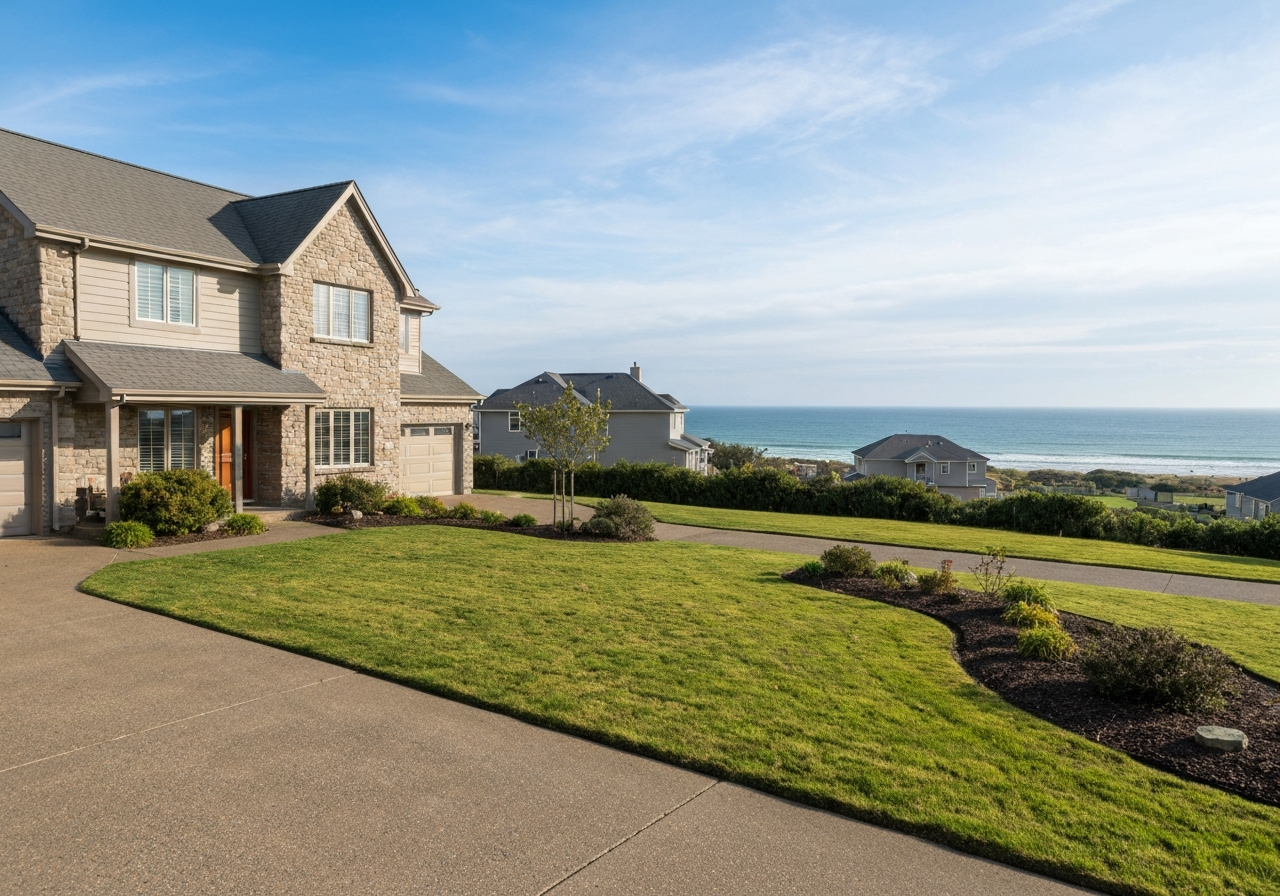
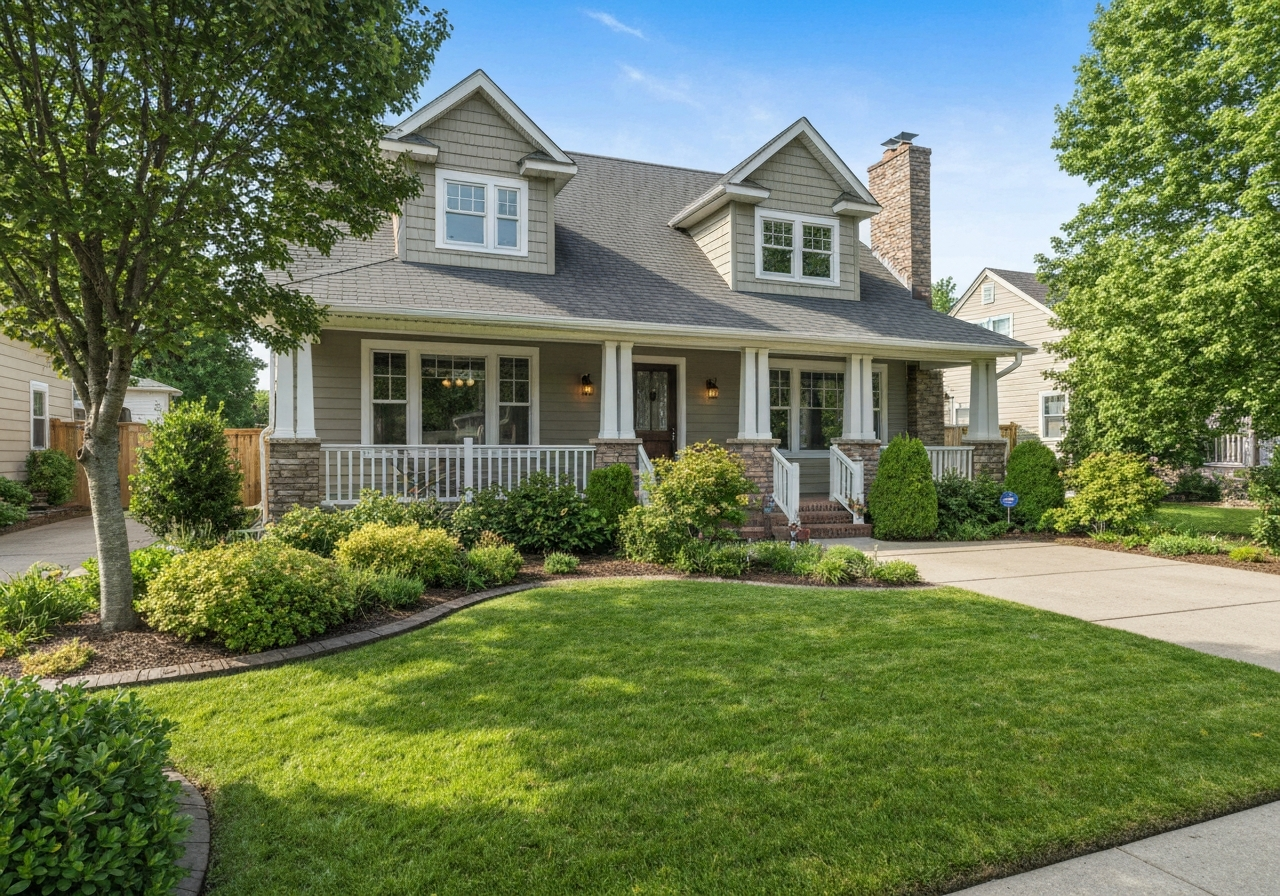
Understanding Homeowners Insurance Basics is fundamental for safeguarding your most significant asset: your home. This essential coverage provides financial protection against unforeseen events, from natural disasters like fires and windstorms to theft and personal liability. A homeowners insurance policy acts as a crucial safety net, ensuring that you can repair or rebuild your home and replace belongings without facing overwhelming financial strain.
Decoding Your Home Insurance Policy: Core Coverages Explained
A standard homeowners insurance policy is typically a "package policy" that bundles several types of coverage. These are designed to protect different aspects of your property and your financial well-being:
- Dwelling Coverage (Coverage A): This is the core of your policy, paying to repair or rebuild the physical structure of your home, including attached garages and built-in features, if damaged by a covered peril. It's important to insure your home for its replacement cost, not its market value, to ensure you have enough funds to rebuild completely.
- Other Structures Coverage (Coverage B): This extends protection to detached structures on your property, such as garages, tool sheds, gazebos, and fences. It's usually a percentage (e.g., 10%) of your dwelling coverage.
- Personal Property Coverage (Coverage C): Your personal belongings inside your home—furniture, electronics, clothing, and other valuables—are covered if they are stolen or destroyed by an insured disaster. This coverage often extends to items stored off-premises, meaning your belongings are protected even when you're away from home. However, expensive items like jewelry or art typically have dollar limits and may require additional coverage through a "floater" or endorsement for their full value.
- Loss of Use Coverage (Coverage D) or Additional Living Expenses (ALE): If a covered event makes your home uninhabitable, this coverage helps pay for the additional costs of living elsewhere temporarily. This can include hotel bills, restaurant meals, and other necessary expenses incurred while your home is being repaired or rebuilt.
- Personal Liability Coverage (Coverage E): This crucial component protects you financially against lawsuits for bodily injury or property damage that you or your family members (including pets) cause to other people. It covers both the cost of defending you in court and any court-ordered awards, up to your policy limits.
- Medical Payments (Coverage F): This provides no-fault medical coverage for guests injured on your property, offering a quick way to cover minor medical expenses without determining fault.
Understanding Different Homeowners Insurance Policy Types (HO-1 to HO-8)
Homeowners insurance policies come in various forms, each offering different levels of coverage. The most common types include:
- HO-1 (Basic Form): A bare-bones policy covering only a limited list of "named perils." It's rarely available today.
- HO-2 (Broad Form): Offers more coverage than HO-1, protecting against a longer list of named perils for both the dwelling and personal property.
- HO-3 (Special Form): This is the most popular type of policy. It provides "open perils" coverage for your dwelling, meaning your home is covered for all risks except those specifically excluded in the policy. Personal belongings, however, are typically covered on a "named perils" basis.
- HO-5 (Comprehensive Form): Offers the broadest protection, with "open perils" coverage for both your dwelling and personal property. This provides a higher level of protection but is generally more expensive.
- HO-4 (Renters Insurance): Designed for renters, it covers personal belongings and liability but not the dwelling structure itself.
- HO-6 (Condo Insurance): For condominium owners, it covers personal belongings, liability, and the structural parts of the condo unit that the owner is responsible for.
- HO-8 (Modified Coverage Form): Intended for older homes where the replacement cost exceeds the market value, offering more limited coverage for certain perils.
When selecting a policy, you'll also encounter different valuation methods:
- Actual Cash Value (ACV): Pays to replace your home or possessions minus a deduction for depreciation due to age and wear.
- Replacement Cost (RC): Pays the cost to rebuild or repair your home or replace possessions without a deduction for depreciation. This is generally recommended for better protection.
- Guaranteed/Extended Replacement Cost: Offers the highest level of protection, paying above your policy limit to rebuild your home, providing a cushion against unexpected increases in construction costs. An extended policy typically pays 20-25% over the limit.
Common Exclusions: What Standard Homeowners Insurance Doesn't Cover
While homeowners insurance covers a wide array of perils, it's crucial to understand what standard policies typically exclude. These exclusions often stem from the nature of the risk or the belief that the damage is preventable through routine maintenance. Common exclusions include:
- Floods: Damage from floods, including water entering the home from outside, is almost always excluded. Separate flood insurance policies, often through the National Flood Insurance Program (NFIP), are necessary.
- Earthquakes and Earth Movement: Damage from earthquakes, landslides, mudslides, and sinkholes is generally not covered. Earthquake coverage can often be added via an endorsement or a separate policy.
- Wear and Tear & Lack of Maintenance: Insurance is designed for sudden, accidental events, not gradual deterioration. Damage resulting from poor maintenance, such as persistent leaks, mold (unless caused by a sudden covered peril), or pest infestations, is typically excluded.
- Sewer or Drain Backup: Damage caused by sewer or drain backups often requires a specific endorsement to be covered.
- Intentional Damage: Any damage you intentionally cause to your own property will not be covered.
- War and Nuclear Hazards: These are considered catastrophic and uninsurable risks.
- Certain Dog Breeds or Bite History: Some insurers may exclude specific dog breeds or dogs with a history of biting due to increased liability risk.
- Business Property: While some home office equipment may have limited coverage, damages related to a home-based business typically require a separate business insurance policy.
It's important to review your policy's declarations page or discuss these exclusions with an insurance agent to identify and address any potential coverage gaps, possibly through endorsements or separate policies.
What Drives Your Premiums? Factors Influencing Homeowners Insurance Rates
The cost of your homeowners insurance premium is influenced by a multitude of factors that insurers use to assess your risk profile. Understanding these can help you anticipate costs and potentially find savings:
- Location: Your home's geographical location is a primary factor. Areas prone to natural disasters like hurricanes, tornadoes, or wildfires often have higher premiums. Proximity to fire stations and local crime rates also play a significant role.
- Age and Condition of Your Home: Older homes may incur higher premiums due to the increased likelihood of damage from aging systems and materials, and potential non-compliance with current building codes. Conversely, newer homes or those with recent updates (electrical, plumbing, HVAC) often qualify for lower rates.
- Construction Type and Materials: The materials used to build your home (e.g., wood vs. brick) and the type of roof (e.g., impact-resistant shingles) can influence rates.
- Claims History: Your personal claims history, accessible via a Comprehensive Loss Underwriting Exchange (CLUE) report, can significantly impact future premiums. Even minor claims can signal a higher risk to insurers.
- Deductible Amount: This is the amount you pay out-of-pocket before your insurance kicks in. Choosing a higher deductible typically leads to a lower premium, but ensure it's an amount you can comfortably afford in case of a claim.
- Credit History: In many states, insurers use credit-based insurance scores as a factor in setting premiums. A strong credit history can lead to lower rates.
- Home Features and "Attractive Nuisances": Features like swimming pools, hot tubs, or trampolines can increase liability risk, potentially leading to higher premiums.
- Home Security and Safety Features: Installing smoke detectors, burglar alarms, deadbolt locks, or sophisticated security systems can often qualify you for discounts.
Smart Strategies to Reduce Your Homeowners Insurance Costs
While homeowners insurance is a necessary expense, several strategies can help you lower your premiums without compromising essential coverage:
- Shop Around and Compare Quotes: Don't settle for the first quote. Obtain proposals from multiple insurers to find the best combination of price and coverage. Consider working with an independent insurance agent who can compare policies from various carriers on your behalf.
- Increase Your Deductible: Opting for a higher deductible can significantly reduce your annual premium. Just be sure you have enough in savings to cover that deductible if you need to file a claim.
- Bundle Your Policies: Many insurers offer "multi-policy" discounts if you combine your homeowners and auto insurance (or other policies) with the same company. This can often lead to substantial savings.
- Make Your Home Disaster-Resistant: Invest in improvements that reduce risk, such as installing storm shutters, reinforcing your roof with impact-resistant materials, or upgrading plumbing and electrical systems in older homes. These upgrades can qualify you for discounts.
- Improve Home Security: Install smoke detectors, burglar alarms, deadbolt locks, and comprehensive home security systems. Insurers often provide discounts of 5% to 20% for these protective measures.
- Maintain a Good Credit Record: A solid credit history can positively influence your insurance score, leading to lower premiums. Pay bills on time and keep credit balances low.
- Seek Out Other Discounts: Ask your agent about other available discounts, such as those for being a non-smoker, having a new roof, being a long-term policyholder, or for retirees who spend more time at home.
- Review Your Policy Annually: Periodically assess your coverage limits and the value of your possessions. Adjust coverage as needed to avoid being over-insured or under-insured. For high-value items, consider special floaters or endorsements.
By actively implementing these strategies, you can effectively manage your homeowners insurance costs.
Choosing the Right Homeowners Insurance Provider for Your Needs
Selecting the right homeowners insurance provider is as important as choosing the right policy. It involves more than just finding the lowest premium; it's about securing a reliable partner who will be there when you need them most. Consider these factors:
- Financial Stability: A financially stable insurer has the resources to pay claims, even after widespread disasters. Check ratings from agencies like A.M. Best, Moody's, or Standard & Poor's. Companies with high ratings (A or above) indicate greater reliability.
- Customer Service and Claims Handling: Look for companies with a strong reputation for excellent customer service and efficient claims processing. Research customer testimonials, online reviews, and third-party ratings (e.g., J.D. Power, Consumer Reports). A transparent and responsive claims process is vital.
- Personalized Advice: An agent who takes the time to understand your specific needs, explain policy details clearly, and help you customize coverage is invaluable. This personalized approach ensures you're adequately protected without unnecessary coverage.
- Local Expertise: A local insurance agency understands regional risks and state-specific regulations, which can be particularly helpful in tailoring your policy to local conditions.
Working with an independent insurance agent can be beneficial, as they can compare policies from a wide range of insurers, offering tailored advice and potentially better terms than you might find directly.
Protecting Your Home with Beach Insurance LLC: Your Local Partner
At Beach Insurance LLC, we understand the unique insurance needs of homeowners in communities like Greenville, Rock Hill, Kiawah Island, Myrtle Beach, and Summerville, SC. Our commitment is to provide personalized, expert guidance and comprehensive homeowners insurance solutions designed to protect your most valuable asset.
We specialize in tailoring policies that address specific local risks, from coastal weather challenges to general property protection. Our experienced team will help you navigate the complexities of coverage options, ensuring you have the right protection for your dwelling, personal belongings, and liability. With Beach Insurance LLC, you gain a trusted local partner dedicated to your peace of mind and financial security. Learn more about our homeowners insurance services.
Frequently Asked Questions About Homeowners Insurance
What is the difference between "named perils" and "open perils"?
"Named perils" policies cover only the specific risks (perils) explicitly listed in your policy. If a type of damage isn't listed, it's not covered. "Open perils" (or "all-risk") policies cover all causes of loss unless specifically excluded in the policy, offering broader protection.
Does homeowners insurance cover mold damage?
Mold damage is generally excluded from standard homeowners insurance policies unless it results from a sudden and accidental covered peril, like a burst pipe. Mold caused by neglect or lack of maintenance is typically not covered.
Is my home-based business covered by my homeowners insurance?
Standard homeowners policies offer very limited coverage for business equipment and no business liability coverage. If you run a business from home, you'll likely need a separate home-based business endorsement or a dedicated business insurance policy.
How much liability insurance do I need?
Most policies start with a minimum of $100,000 in liability coverage, but experts increasingly recommend $300,000 to $500,000 or more to adequately protect your assets. If your net worth exceeds these limits, an umbrella or excess liability policy can provide additional protection.
What should I do if my home insurance policy is canceled or my premiums skyrocket?
If your policy is canceled or your premiums drastically increase, immediately shop around for new coverage. Work with an independent agent, explore state-mandated programs like FAIR Plans (if available in high-risk areas), and consider making home improvements that reduce risk to qualify for better rates.
The Bottom Line: Securing Your Investment with Confidence
Protecting your home with comprehensive homeowners insurance is a vital aspect of responsible homeownership. By understanding the basics of coverage, recognizing policy types, identifying exclusions, and proactively managing factors that influence your rates, you can secure your investment with confidence. Choosing a reputable provider that offers clear communication and excellent service, like Beach Insurance LLC, ensures that you have a reliable partner ready to support you when unexpected events occur. Regularly reviewing and adjusting your policy to match your evolving needs is key to maintaining optimal protection for your home and family.
Ready to secure your home? Visit our Contact Us page to get started!