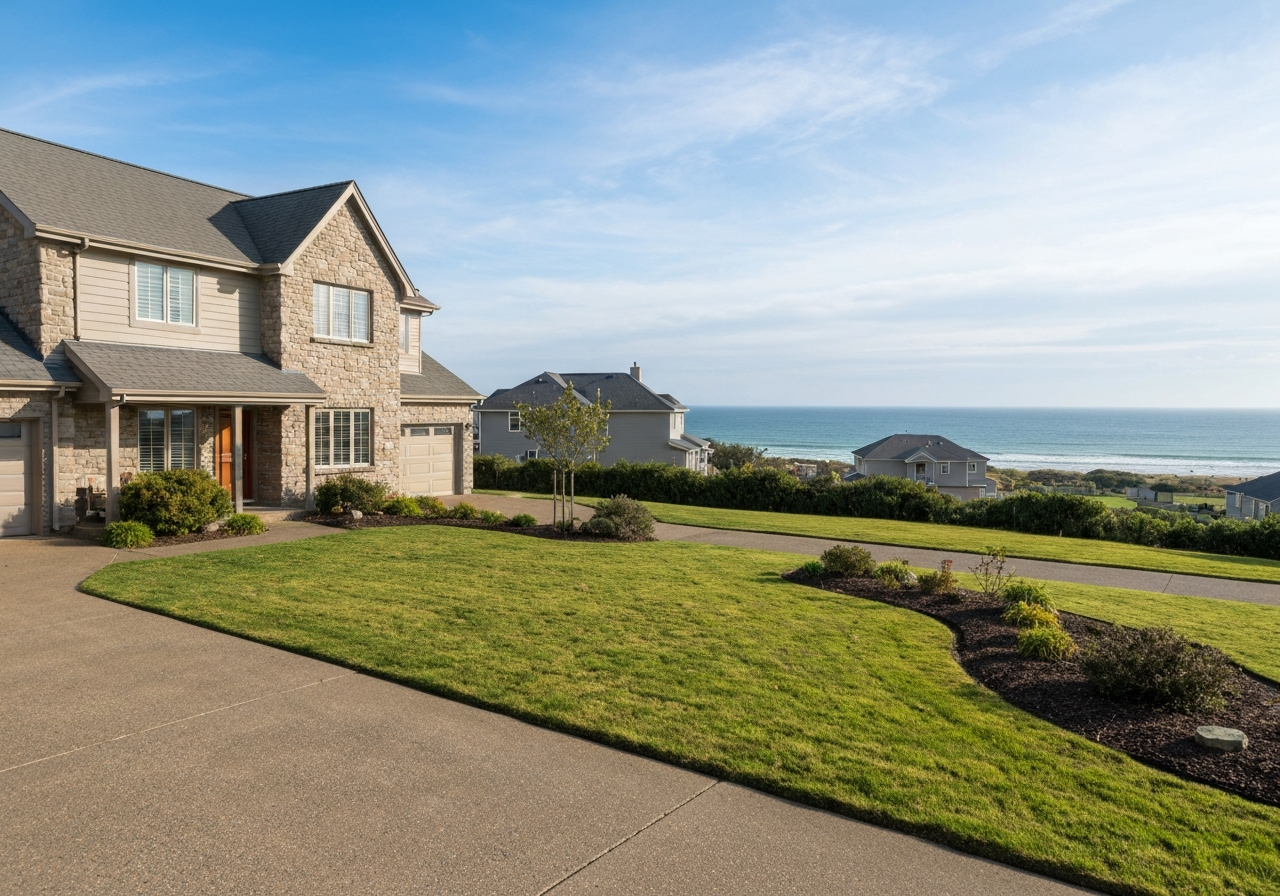
Protecting Your Paradise: Understanding Coastal Homeowners Flood and Wind Insurance with Beach Insurance LLC
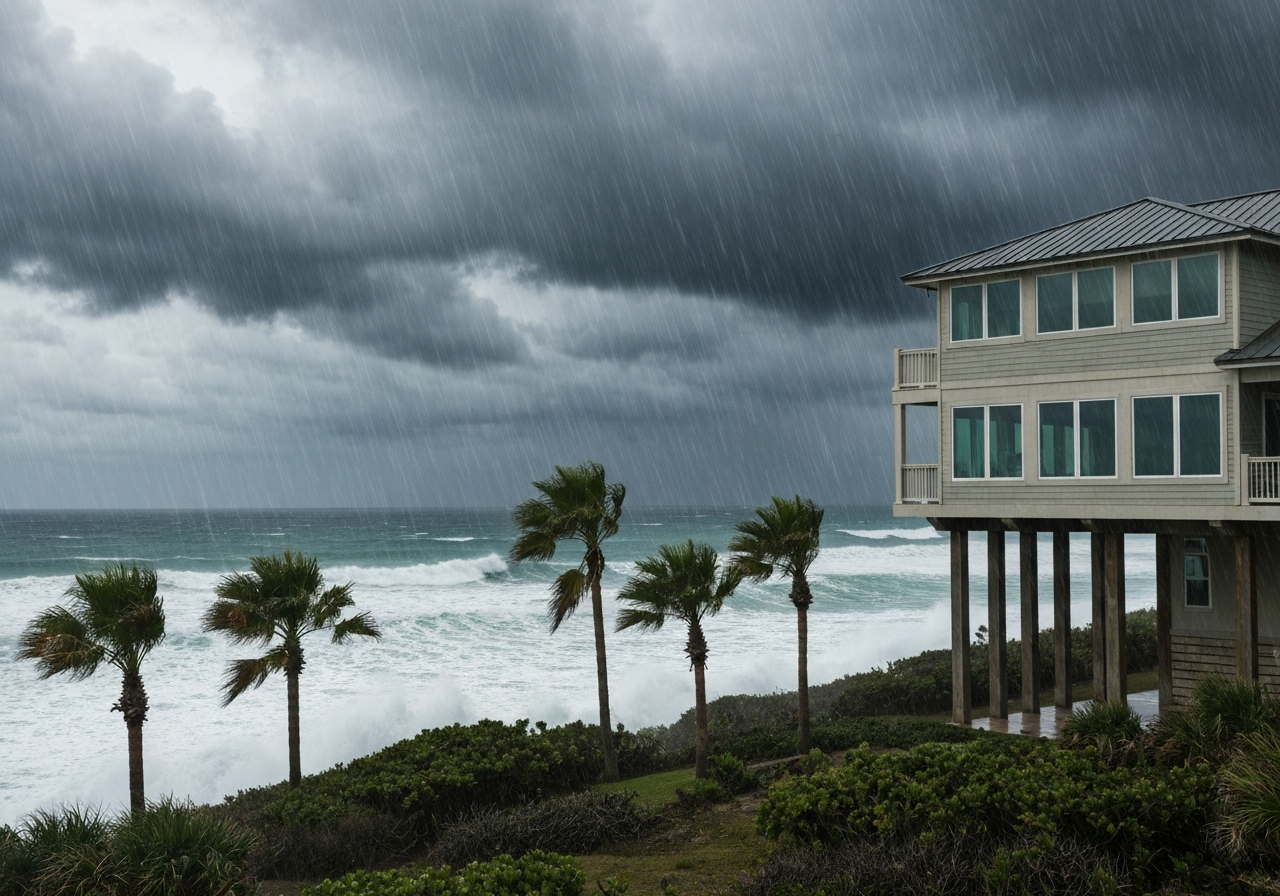
Protecting Your Paradise: The Unique Risks of Coastal Living
Coastal living offers unparalleled beauty and recreational opportunities, but it also comes with a unique set of challenges and heightened risks for homeowners. Properties situated along the coast are continuously exposed to harsh environmental elements, including corrosive saltwater, high humidity, intense winds, and the constant threat of severe weather events such as tropical storms and hurricanes. These factors can lead to rapid deterioration of materials and significant damage, making robust insurance coverage not just a safeguard, but a necessity for peace of mind.
Understanding Coastal Homeowners Flood and Wind Insurance: The Essentials
For homeowners in these picturesque yet vulnerable areas, understanding Coastal Homeowners Flood and Wind Insurance is paramount. Standard homeowners insurance policies typically cover wind damage for inland properties, but in many coastal and hurricane-prone states, wind and hail coverage is often limited or entirely excluded, requiring a separate policy or endorsement. Crucially, flood damage is almost universally excluded from standard homeowners policies, making dedicated flood insurance an absolute must for coastal residences.
The Rising Tide: Demystifying Flood Insurance for Coastal Properties
Flooding is recognized as the most common and costly natural disaster in the United States, yet standard homeowners insurance policies do not cover it. This critical gap necessitates a standalone flood insurance policy, regardless of whether a property is located in a high-risk flood zone or an area that has historically remained dry. Research indicates a significant portion of flood claims originate from low- and moderate-risk areas, and even a small amount of water can cause extensive damage.
The National Flood Insurance Program (NFIP), managed by FEMA, is the primary source of flood insurance, offering coverage for building and contents. However, private flood insurance carriers are also an option and may offer higher coverage limits, replacement cost coverage for contents (unlike NFIP's actual cash value), and additional living expense coverage during displacement. It's important to note that flood insurance policies typically have a 30-day waiting period before coverage takes effect, underscoring the importance of securing protection well in advance of a looming threat. Complex human-flood dynamics, as explored in scientific studies, highlight the increasing economic burden on the NFIP and the destabilization of coastal housing markets due to rising sea levels and intense rainfall, with disproportionate impacts on socially vulnerable communities. Studies show that even increasing storm-surge thresholds with infrastructure like levees may not fully mitigate losses, as intense rainfall can still cause significant inland flooding.
Facing the Gale: What Windstorm and Hurricane Insurance Covers
Windstorm insurance specifically covers damage caused by severe winds, including those from tornadoes, thunderstorms, and hurricanes. This coverage is distinct from flood insurance and often from the wind coverage found in standard homeowners policies in many coastal states. Depending on your location and policy, you might encounter different types of wind coverage:
- Windstorm or Wind and Hail Deductible: This applies to damage from any wind event, including thunderstorms, tornadoes, and hurricanes.
- Hurricane or Named Storm Deductible: This is triggered only when a storm has been officially named by the National Hurricane Center, meaning damage from a regular thunderstorm would not activate it.
Understanding the specific type of wind coverage in your policy is crucial, particularly in hurricane-prone regions. In 19 states and the District of Columbia, wind insurance may be a separate policy from homeowners insurance, or homeowners policies may contain specific hurricane or named storm deductibles. For example, in Texas, coastal residents often need a separate windstorm policy, frequently obtained through the Texas Windstorm Insurance Association (TWIA).
Key Differences: Flood vs. Wind Coverage and Potential Gaps
It is vital for coastal homeowners to recognize the distinct nature of flood and wind coverage. While major storms often bring both high winds and heavy rains, the specific cause of damage determines which policy responds. For instance, if wind damages a roof, allowing rain to enter, the damage is typically covered by wind insurance. However, if rising water or storm surge causes damage, even if triggered by a hurricane, it falls under flood insurance. After a disaster, adjusters from each insurance company will assess the damage to determine what is covered by the respective policies. Homeowners must possess both adequate flood and wind coverage to avoid significant financial gaps in protection. Without separate flood insurance, hurricane-induced storm surge damage will not be covered by a windstorm or homeowners policy.
Navigating Deductibles: Understanding Hurricane and Windstorm Deductibles
Deductibles for wind and hurricane damage in coastal areas typically differ significantly from standard homeowners deductibles. They are almost always percentage-based rather than a flat dollar amount. This means your out-of-pocket cost is calculated as a specified percentage (e.g., 1% to 5%, or even higher in very high-risk areas) of your home's insured value, not the cost of the damage. For example, a 5% wind deductible on a $300,000 home means the homeowner is responsible for the first $15,000 of a wind-related claim. The application of these deductibles is often tied to specific "triggers," such as a hurricane watch or warning being issued by the National Weather Service, or a storm reaching a certain wind speed. These triggers and deductible amounts vary by state and insurer, and it's essential to understand them completely, as timing matters; many insurers impose a moratorium on issuing new policies once a storm is imminent.
Beyond the Basics: Other Important Coverages for Coastal Homeowners
While coastal homeowners flood and wind insurance are critical, comprehensive protection extends beyond these core coverages:
- Replacement Cost Policies: Most homeowners policies offer replacement cost for damage to the structure, paying for repairs or replacements with materials of similar kind and quality without deducting for depreciation.
- Guaranteed or Extended Replacement Cost Coverage: After a major disaster, rebuilding costs can surge due to high demand for materials and labor. Extended replacement cost pays an extra percentage (e.g., 20%) above policy limits, while guaranteed replacement cost covers whatever it takes to rebuild your home as it was before the disaster.
- Ordinance or Law Endorsement: Building codes are updated regularly. If your home is significantly damaged, you might be required to rebuild to new, more stringent codes. This endorsement helps cover the additional expenses of rebuilding to current codes, which standard policies may not include.
- Inflation Guard: This clause automatically adjusts your dwelling limit at renewal to reflect current construction costs in your area, helping to ensure your coverage keeps pace with inflation.
- Personal Possessions: Standard policies typically cover personal belongings for 50-70% of the dwelling's insured amount. Consider a home inventory to determine if this is sufficient, and opt for replacement cost coverage for contents if available and affordable. For very expensive items like jewelry or art, a special personal property floater or endorsement may be necessary.
- Additional Living Expenses (Loss of Use): This crucial coverage pays for temporary living costs (hotel, meals) if your home becomes uninhabitable due to an insured disaster.
- Liability to Others: This protects you against lawsuits for bodily injury or property damage you or your family members cause to others, including damage by pets. It covers legal defense costs and any awarded damages.
- Umbrella or Excess Liability: For those with significant assets, an umbrella policy provides additional liability coverage beyond the limits of your home and auto policies, offering broader protection against libel, slander, and invasion of privacy.
Risk Mitigation: Steps to Protect Your Coastal Home from the Elements
Proactive measures are essential to safeguard your coastal home against the relentless forces of nature and mitigate potential damage. Integrating these strategies can significantly enhance your property's resilience and potentially reduce insurance costs:
Protecting Against Wind Damage:
- Impact-Resistant Windows and Doors: Replace older windows and doors with reinforced glass and frames designed to withstand high winds and flying debris.
- Secure Your Roof: Install hurricane ties and straps to firmly attach your roof trusses to the walls, preventing uplift during extreme winds. Consider building or re-roofing to FORTIFIED standards for enhanced protection and potential premium discounts.
- Install Storm Shutters: These can be quickly deployed to protect windows and doors from breaking during severe storms. Plywood can serve as a temporary alternative if shutters are not feasible.
Mitigating Flood Risks:
- Elevate Your Home: Ensure your home is built above the base flood elevation to minimize flood exposure and water damage. House lifting is a major undertaking but offers significant long-term protection.
- Install Flood Vents: These allow water to flow freely through areas below the base flood elevation, preventing structural damage from hydrostatic pressure.
- Apply Sealant: Use waterproof sealants on exterior walls to prevent water leakage.
- Improve Drainage: Maintain clean gutters and downspouts to direct water away from the foundation. Consider installing French drains if water tends to pool.
Combating Saltwater Corrosion:
- Use Correct Materials: When building or renovating, opt for weather-resistant materials like granite, fiberglass, stainless steel, brick, concrete, and specially treated or composite wood for outdoor structures.
- Regular Cleaning: Periodically rinse metal fixtures and outdoor furniture with a pressure washer to remove salt buildup.
- Apply Protective Coatings: Apply marine corrosion protective coatings to metal surfaces to prevent rust and corrosion.
General Maintenance & Preparedness:
- Inspect Regularly: Routinely check your roof, walls, and foundation for signs of wear, leaks, or cracks, addressing minor issues promptly.
- Emergency Plan: Develop a comprehensive home emergency plan, including an emergency kit with essential supplies.
- Landscape Strategically: Plant wind-resistant trees and salt-tolerant vegetation to act as natural windbreaks and stabilize soil, reducing erosion.
Finding Your Peace of Mind: How Beach Insurance LLC Can Help
Navigating the complexities of coastal homeowners flood and wind insurance requires expert guidance. Beach Insurance LLC specializes in providing tailored insurance solutions designed for the unique challenges of coastal living in South Carolina and North Carolina, serving communities from Isle of Palms to Myrtle Beach. With a deep understanding of the local environment and its specific risks, Beach Insurance LLC helps homeowners secure comprehensive coverage that protects their most significant investments. Their expertise ensures clients understand crucial distinctions between policies, navigate deductible structures, and identify opportunities for risk mitigation that can lead to a more secure future. Relying on an experienced independent agency like Beach Insurance LLC allows you to compare options, understand policy nuances, and find the right protection to safeguard your coastal paradise for years to come.
Ready to secure your coastal paradise? Visit our Contact Us page to learn more about comprehensive coastal homeowners flood and wind insurance.