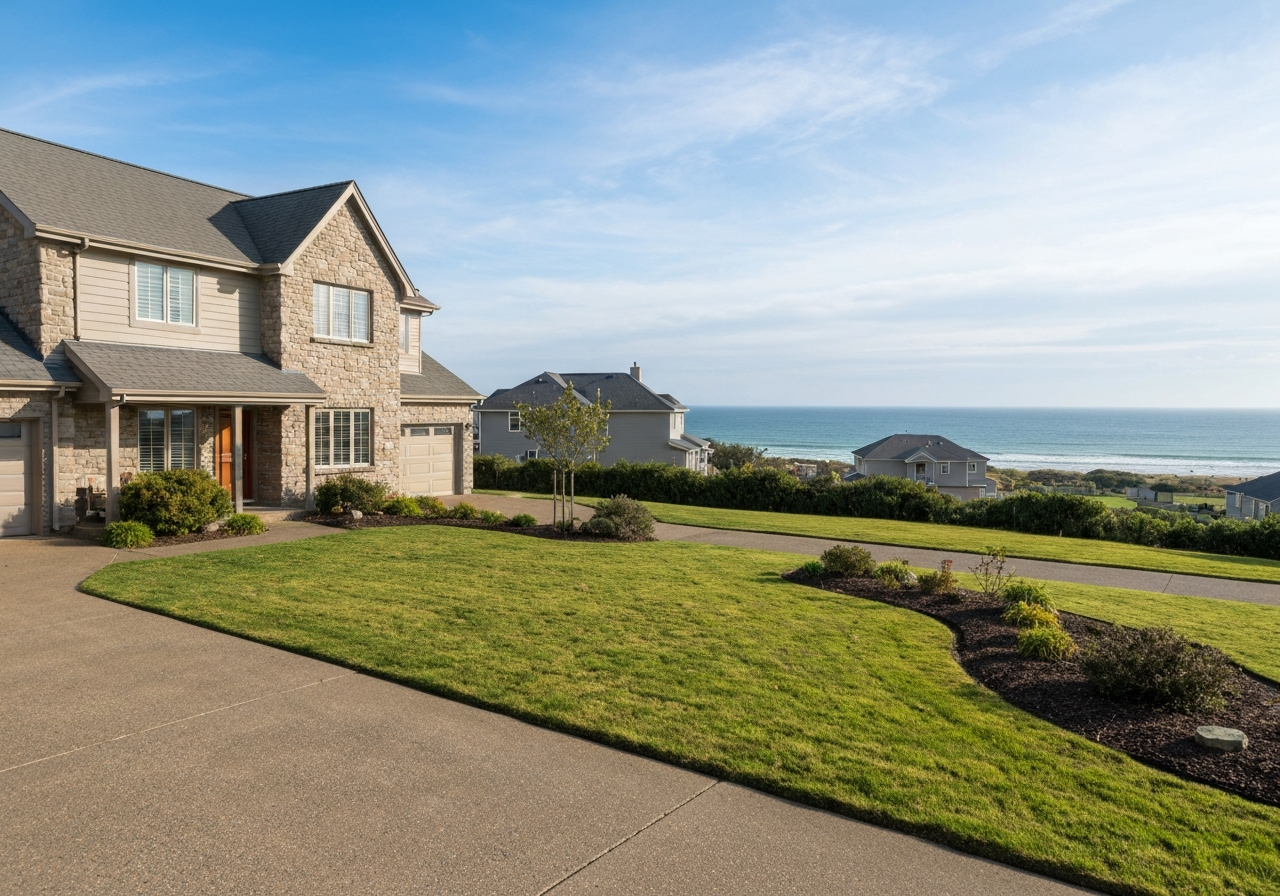
Secure Your Future: A Comprehensive Guide to Understanding Home Insurance
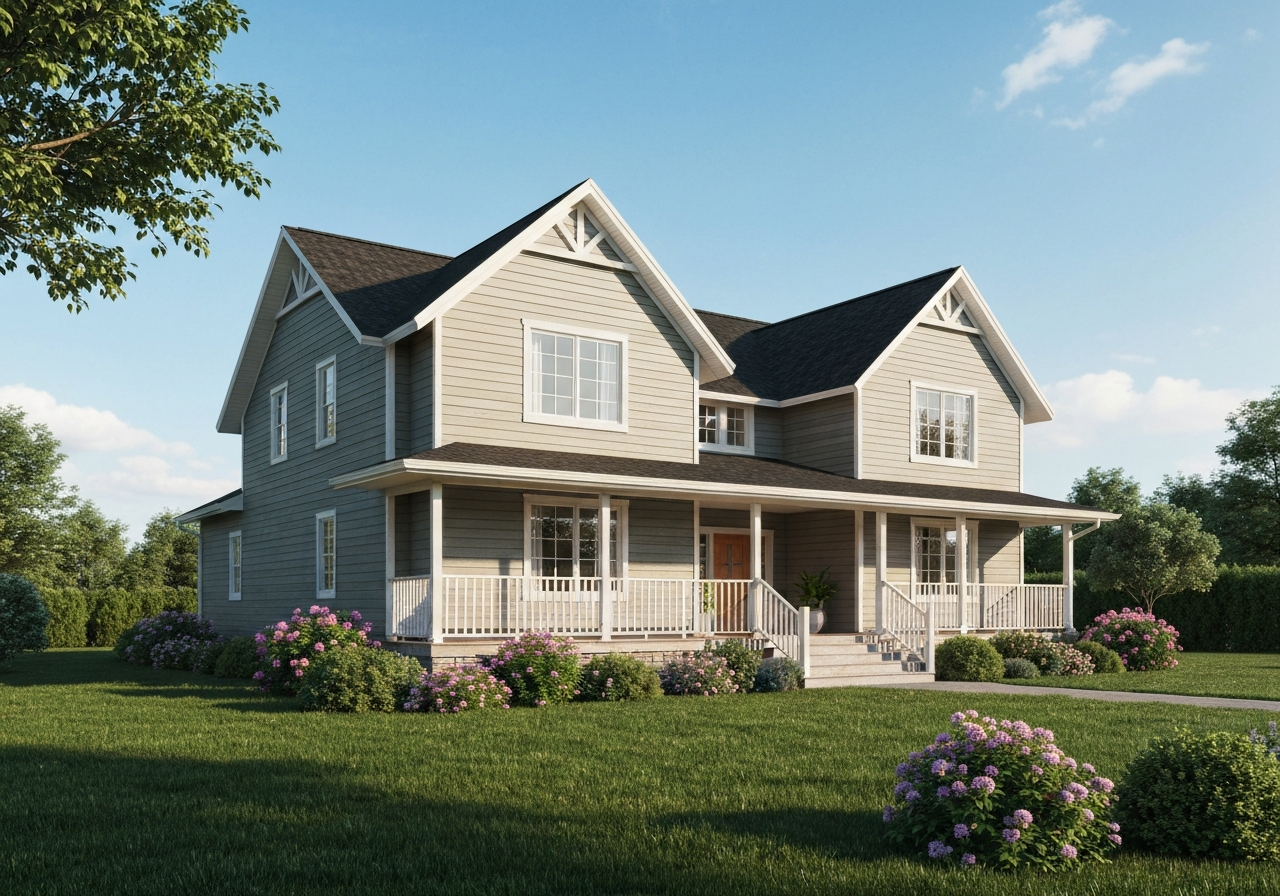
Introduction: Safeguarding Your Sanctuary
Your home is more than just a structure; it's a significant investment and the center of your life. Protecting this sanctuary from unforeseen events is paramount. Home insurance serves as a crucial financial safeguard, offering peace of mind. This comprehensive guide aims to foster a deeper Understanding Home Insurance, detailing its components, types, and the vital role it plays in securing your most valuable asset.
Why Home Insurance is a Must-Have for Every Homeowner
Home insurance, often a requirement for mortgage lenders, is a contract between you and an insurance company designed to provide financial protection against a range of covered perils. It's not merely a formality but a critical layer of security for your property and financial stability. Without it, you could face substantial out-of-pocket expenses for damages, theft, or liability claims. This protection extends beyond the physical dwelling to your personal belongings and even covers legal and medical costs if someone is injured on your property.
Breaking Down Your Policy: The Key Parts of Home Insurance Coverage
A standard homeowners insurance policy typically comprises several key coverages, each addressing a different aspect of protection:
- Dwelling Coverage: This covers the cost of repairing or rebuilding the physical structure of your home, including attached structures like garages, in the event of damage from covered perils like fire, wind, or hail. The amount should reflect the estimated replacement cost of your home, not its market value.
- Other Structures Coverage: This extends to freestanding structures on your property, such as detached garages, sheds, or fences.
- Personal Property Coverage: This protects your personal belongings, including furniture, electronics, and clothing, whether they are damaged, destroyed, or stolen. Coverage is often set as a percentage (e.g., 50% to 70%) of your dwelling coverage.
- Liability Coverage: This is a crucial component that protects you financially if you or a family member are found legally responsible for bodily injury or property damage to others. It covers legal defense costs and any awarded damages.
- Additional Living Expenses (ALE) Coverage: Also known as Loss of Use, this coverage pays for extra costs you incur if your home becomes uninhabitable due to a covered event. This can include hotel bills, restaurant meals, and other living expenses while your home is being repaired.
Decoding Different Home Insurance Policy Forms: HO-2, HO-3, Renters, and Condo
Home insurance policies come in various forms, each offering different levels and types of coverage:
- HO-2 (Broad Form): This policy provides coverage for both your dwelling and personal property against a list of 16 specific perils. It's more comprehensive than a basic HO-1 policy but still "named peril" coverage.
- HO-3 (Special Form): The most common type of homeowners policy, HO-3 provides "open peril" coverage for your dwelling, meaning it covers all causes of damage unless specifically excluded in the policy. Personal property, however, is typically covered on a "named peril" basis.
- HO-5 (Comprehensive Form): This offers the broadest coverage, providing "open peril" coverage for both the dwelling and personal property. It's generally available for well-maintained homes in lower-risk areas.
- HO-4 (Renters Insurance): Designed for tenants, an HO-4 policy covers personal property, liability, and additional living expenses, as the landlord's policy covers the building itself.
- HO-6 (Condo Insurance): This policy is for condominium owners. It covers personal property, liability, and the interior structural elements of your unit, which are typically not covered by the condominium association's master policy.
For those with investment properties like rental homes or apartment and condominium units, specialized landlord policies (DP-1, DP-2, DP-3) are necessary, offering distinct coverage for the structure, loss of rental income, and liability unique to rental scenarios. Tenants should always secure renters insurance to protect their own belongings.
Essential Coverages in Understanding Home Insurance
Beyond the standard components, a deeper dive into specific coverages is crucial for a complete Understanding Home Insurance:
For the structure of your home:
- Rebuilding Costs: Your policy limit for the dwelling should be sufficient to rebuild your home at current construction costs, not based on its market value or original purchase price. Factors like local construction costs, square footage, and unique features all influence this.
- Guaranteed or Extended Replacement Cost Coverage: In times of widespread disaster, construction costs can surge. These endorsements provide an extra percentage (e.g., 20% or more) above your dwelling limit to ensure you have enough to rebuild.
- Building Codes: Older homes may need to be rebuilt to current building codes after significant damage. Many policies won't cover these extra costs unless an "Ordinance or Law" endorsement is added.
- Inflation Guard: This valuable clause automatically adjusts your dwelling limit at renewal to reflect rising construction costs in your area.
- Older Homes: Insuring older homes can be complex. Some may only qualify for modified replacement cost, which pays for repairs using standard modern materials rather than expensive, original features.
For your personal possessions:
- Home Inventory: Conduct a detailed inventory of your belongings to ensure your personal property coverage is adequate. This helps determine if you need higher limits.
For liability:
- Umbrella or Excess Liability: For significant assets, an umbrella policy provides additional liability protection above the limits of your homeowners and auto policies, also covering claims like libel or slander.
Actual Cash Value vs. Replacement Cost: Know the Difference for Your Home
When it comes to coverage for your home's structure and personal belongings, understanding the distinction between Actual Cash Value (ACV) and Replacement Cost (RC) is vital:
- Actual Cash Value (ACV): This pays for the cost to replace your property minus depreciation due due to age, wear, and tear. For example, a 10-year-old television would be reimbursed at its current depreciated value, not the cost of a new one.
- Replacement Cost (RC): This reimburses you for the cost to replace damaged property with new items of similar kind and quality, without any deduction for depreciation. This offers a higher level of protection, though typically at a slightly higher premium (around 10% more for contents coverage).
Most homeowners policies cover the dwelling on a replacement cost basis, but personal possessions can be insured for either. Opting for replacement cost coverage for your belongings is generally recommended to avoid significant out-of-pocket expenses after a loss.
Customizing Your Protection: Popular Home Insurance Endorsements
Standard homeowners policies provide broad coverage, but specific needs often require additional protection through endorsements (riders or floaters). These allow you to customize your policy:
- Scheduled Personal Property (Floaters): For expensive items like jewelry, furs, art, or specialized computer equipment, standard policies have low limits. A personal property floater allows you to insure these items individually or as a collection, often without a deductible.
- Water Backup and Sump Overflow: Standard policies typically exclude damage from water backing up through sewers or drains, or overflowing from a sump pump. This endorsement provides coverage for such incidents.
- Ordinance or Law Coverage: As mentioned, this pays for the additional costs to rebuild your home to meet updated building codes after a covered loss.
- Identity Theft Protection: Some insurers offer endorsements to help cover expenses and services related to recovering from identity theft.
- Home Business Coverage: If you run a small business from your home, your standard policy may not cover business equipment or liability. A home business endorsement can provide limited coverage for these needs.
What Drives Your Premium? Factors Affecting Home Insurance Costs
Several factors influence the cost of your home insurance premium:
- Location: Proximity to fire hydrants and fire stations, as well as the risk of natural disasters (hurricanes, tornadoes, wildfires), significantly impact premiums.
- Age and Condition of Your Home: Older homes may have higher premiums due to outdated plumbing, electrical systems, or roofing, which can be more prone to issues.
- Construction Materials: Homes built with more durable, fire-resistant materials might qualify for lower rates.
- Claims History: A history of past claims, either by you or previous owners, can increase premiums.
- Deductible Amount: Choosing a higher deductible (the amount you pay out-of-pocket before insurance kicks in) typically lowers your premium.
- Credit Score: In many states, insurers use credit-based insurance scores to help determine premiums.
- Protective Devices: Homes equipped with security systems, smoke detectors, and sprinkler systems often receive discounts.
Protect Your Investment: Practical Tips to Reduce Risks and Potential Premiums
Proactive measures can help safeguard your home and potentially reduce your insurance costs:
- Maintain Your Home: Regularly inspect and maintain your roof, plumbing, and electrical systems to prevent common claims.
- Install Safety Devices: Equip your home with smoke detectors, carbon monoxide detectors, and a burglar alarm system. Smart home technology and security cameras can also lead to discounts.
- Improve Security: Reinforce doors and windows, and ensure proper exterior lighting.
- Mitigate Natural Disaster Risks:
- Coastal Areas: Install hurricane shutters, tie-downs, and reinforce your roof if in a wind-prone zone.
- Flood Zones: Consider elevating utilities and securing foundations. Remember, standard homeowners policies do not cover flood damage; a separate flood insurance policy is required.
- Increase Your Deductible: If you can afford to pay more out-of-pocket in the event of a claim, increasing your deductible can lower your annual premium.
- Bundle Policies: Many insurers offer discounts for bundling home and auto insurance policies with the same provider.
- Review Your Policy Annually: Your insurance needs can change. Review your policy with your agent annually to ensure your coverage is still adequate and to inquire about any new discounts.
By understanding and actively managing these aspects, you can better protect your home and optimize your insurance investment.
Partnering with Beach Insurance LLC for Your Home Protection
Navigating the complexities of home insurance requires expert guidance. Beach Insurance LLC is committed to helping homeowners in communities like Myrtle Beach and Mount Pleasant find the right coverage. With a deep understanding of local risks and diverse policy options, Beach Insurance LLC provides personalized solutions to protect your home and assets. Their team is dedicated to offering expert advice, ensuring you have comprehensive coverage tailored to your specific needs.
Ready to safeguard your home with the right insurance? Contact Beach Insurance LLC today for personalized expert guidance!