
Introduction: Safeguarding Your Home Investment
For most individuals, a home represents their most significant financial investment and a sanctuary for their families. Protecting this asset is paramount, making a thorough homeowners insurance policy an absolute necessity. A critical component of this protection is understanding dwelling coverage for homeowners, which forms the bedrock of your policy, safeguarding the physical structure of your house against unforeseen perils.
Understanding Dwelling Coverage for Homeowners: What It Is and What It Protects
Dwelling coverage, often referred to as Coverage A, is the portion of your homeowners insurance policy dedicated to protecting the physical structure of your home. This includes its foundation, roof, exterior and interior walls, floors, windows, and doors. It also extends to structures permanently attached to your home, such as an attached garage, deck, or porch. This coverage is distinct from protection for your personal belongings (which falls under personal property coverage) or detached structures like sheds or fences, which are typically covered under “other structures” provisions. Without adequate dwelling coverage, a homeowner could face substantial financial hardship if their property is damaged or destroyed by a covered event.
Common Perils: What Your Dwelling Policy Typically Covers
Standard homeowners insurance policies generally operate on an “open perils” basis for dwelling coverage, meaning they cover any cause of loss unless specifically excluded. Conversely, “named perils” policies only cover the events explicitly listed. Most policies offer protection against a range of common perils, including:
- Fire and Smoke Damage: This is one of the most common and devastating losses, and dwelling coverage almost universally includes protection against it.
- Windstorms and Hail: Damages from severe weather, such as damage to roofs and siding, are typically covered.
- Lightning Strikes: Direct strikes and resulting fires are standard inclusions.
- Vandalism and Theft: Malicious mischief and structural damage due to theft are usually covered, though policies may have limitations for vacant homes.
- Weight of Ice and Snow: Damage from the accumulation of heavy snow or ice, particularly roof collapse, is often included.
- Explosions: Sudden and accidental explosions are typically covered events.
- Accidental Discharge of Water: Damage from sudden and accidental events like burst pipes or overflowing appliances is usually covered, but not gradual leaks or external flooding.
It’s crucial for homeowners to review their policy documents to understand whether they have open perils or named perils coverage and to be aware of any specific limitations or exclusions. For example, damage to your roof from normal wear and tear over 25 years typically won’t be covered as insurance is designed for sudden accidents, not routine maintenance.
Dwelling Coverage for Different Home Types: Single-Family Homes vs. Condos
The application of dwelling coverage varies significantly depending on the type of home you own.
Single-Family Homes
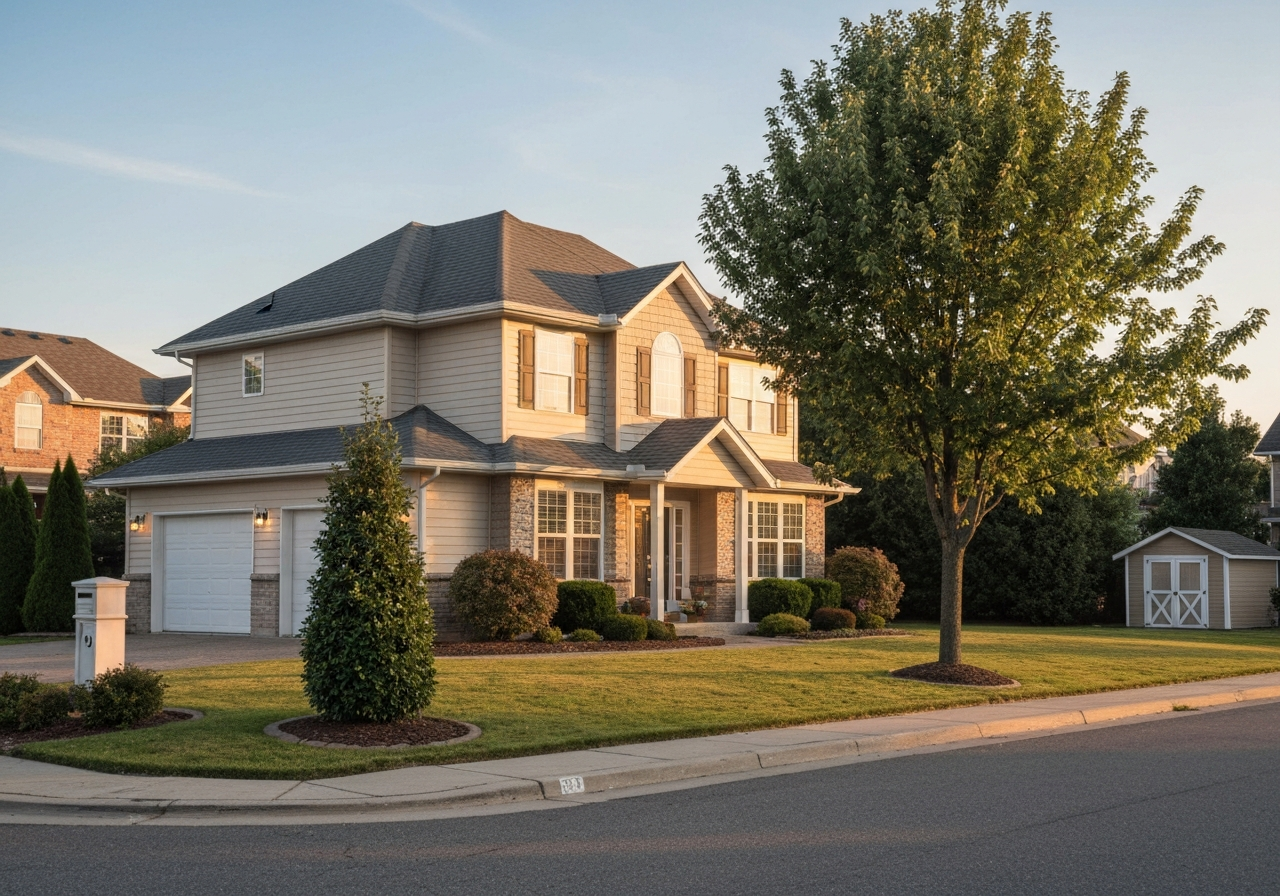
For owners of single-family homes, dwelling coverage is comprehensive. It is designed to cover the entire structure from the foundation to the roof, including all attached elements like garages, porches, and built-in fixtures. The goal is to ensure you have enough coverage to completely rebuild your home if it’s destroyed.
Condominiums
Condo insurance, also known as an HO-6 policy, approaches dwelling coverage differently. As a condo owner, you typically own your individual unit, while the condo association holds a master policy that covers the building’s exterior, shared structures, and common areas. Therefore, your personal dwelling coverage for a condo focuses on the “walls-in” and protects elements within your unit for which you are responsible. This can include your interior walls, flooring, built-in cabinets, and fixtures. The exact scope depends on the condo association’s master policy, which can be “bare walls,” “single entity,” or “all-in.” It is essential to understand your association’s policy to avoid gaps in coverage.
Key Exclusions: What Dwelling Coverage Usually Doesn’t Cover
While comprehensive, dwelling coverage does not cover every potential damage. Understanding these exclusions is vital for proper protection. Common exclusions include:
- Flooding: Damage caused by external flooding, such as rising rivers or storm surge, is almost always excluded from standard homeowners policies. Separate flood insurance through the National Flood Insurance Program (NFIP) or private insurers is necessary for this peril.
- Earthquakes and Other Earth Movements: Damage from earthquakes, landslides, mudslides, and sinkholes is typically excluded. Specific earthquake insurance can often be purchased as an endorsement or a separate policy.
- Wear and Tear or Neglect: Insurance policies are designed for sudden, accidental losses, not gradual damage from aging, lack of maintenance, or neglect. This includes issues like an old leaking roof or a cracked foundation due to settling.
- Pest Infestations: Damage caused by termites, rodents, or other pests is generally considered a maintenance issue and is not covered.
- Intentional Damage: Any damage caused intentionally by the homeowner or other residents is excluded.
- Sewer Backups: Damage from water or sewage backing up through drains or sumps is often excluded but can usually be added via a water backup endorsement.
Many of these exclusions, such as those related to natural disasters like floods and earthquakes, may require separate policies or endorsements to ensure complete protection for your home.
Determining Adequate Dwelling Coverage for Your Home
One of the most critical aspects of understanding dwelling coverage for homeowners is ensuring you have the right amount. Your dwelling coverage limit should ideally reflect the full cost to rebuild your home from the ground up, not its market value or the price you paid for it. Market value includes the land, which is generally not damaged in covered perils, and can fluctuate with economic conditions. The rebuild cost, however, depends on factors such as:
- Local Construction Costs: The price of labor and materials in your area can vary significantly.
- Home’s Square Footage: A direct factor in the amount of material and labor required.
- Architectural Style and Materials: Custom features, high-end finishes, and unique architectural styles can increase rebuilding costs.
- Age of the Home: Older homes might require specialized materials or techniques that are more expensive.
- Number of Rooms and Features: Bathrooms, kitchens, and other complex areas add to the rebuild expense.
Insurance companies use specific calculators to estimate replacement costs, but it’s advisable to discuss this with your agent and ensure the figure is accurate. Regular reviews of your policy are essential, as construction costs can rise over time due to inflation or increased demand after widespread disasters.
Enhancing Your Home’s Protection: Options for Higher Coverage Limits
To further safeguard your investment and account for potential increases in rebuilding costs, several endorsements or additional coverages can enhance your dwelling protection:
- Extended Replacement Cost Coverage: This endorsement provides an additional percentage (e.g., 20% or 25%) above your standard dwelling coverage limit. If rebuilding costs exceed your primary limit, this extended coverage kicks in to bridge the gap.
- Guaranteed Replacement Cost Coverage: This is the most generous option, paying whatever it takes to rebuild your home to its original condition, even if the costs exceed your policy limit. Not all insurers offer this, but it provides maximum peace of mind.
- Ordinance or Law Coverage: Building codes are updated periodically, and if your home is significantly damaged, you may be required to rebuild to new, more expensive codes. Standard policies often don’t cover these additional costs, but this endorsement will.
- Inflation Guard Endorsement: This automatically adjusts your dwelling coverage limit at each renewal to account for inflation and rising construction costs in your area, helping to prevent underinsurance.
These options are especially valuable in areas prone to natural disasters or where construction costs are volatile. Consulting with your insurance provider, such as Beach Insurance LLC, can help you tailor your policy to your specific needs and ensure optimal protection.
Conclusion: Ensuring Comprehensive Protection for Your Most Valuable Asset
Securing appropriate dwelling coverage is a fundamental step in protecting your home and financial well-being. By understanding dwelling coverage for homeowners, its inclusions, exclusions, and how to accurately determine the necessary limits, you can make informed decisions that provide peace of mind. Regular policy reviews and consideration of additional endorsements are crucial to ensure your coverage remains adequate as your home’s value and local construction costs evolve. Protecting your home means securing your family’s future.
Ready to secure your home and understand your dwelling coverage options? Visit our Contact Us page today to connect with our experts.