Navigating Your Options: An Introduction to Life Insurance
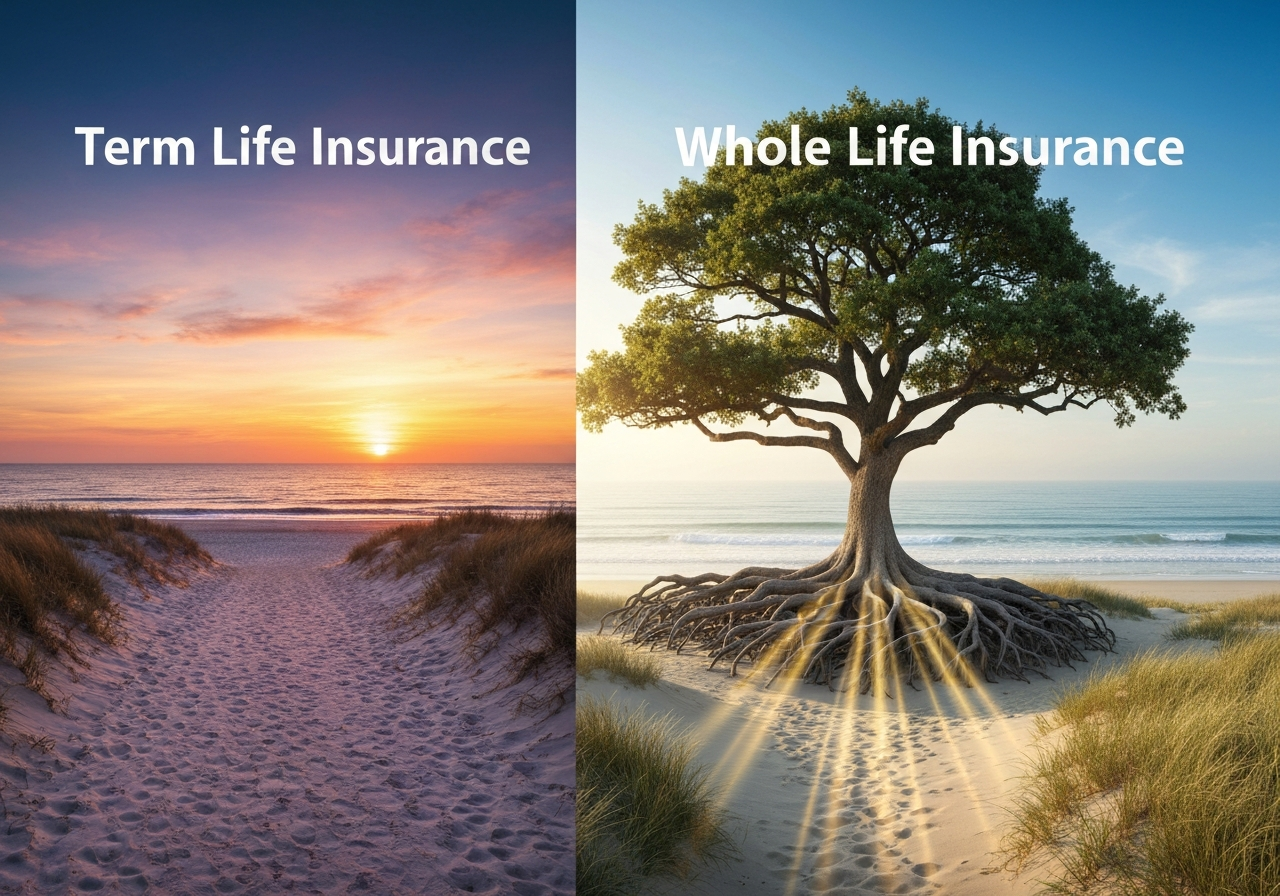
Understanding life insurance can feel complex, but it’s a crucial step in securing your family’s financial future. Among the various options available, Term Life vs. Whole Life Insurance are two of the most fundamental types, each offering distinct benefits and considerations. Both provide a death benefit to your beneficiaries upon your passing, but they differ significantly in duration, cost, and additional features. Making an informed decision requires a clear understanding of these differences and how they align with your personal financial goals.
What is Term Life Insurance? Understanding Temporary Protection
Term life insurance is often described as straightforward and affordable. It provides coverage for a specific period, or “term,” such as 10, 20, or 30 years. If you pass away during this term, your beneficiaries receive a predetermined death benefit. If you outlive the term, the policy expires, and no payout is made. This temporary nature is a key characteristic, making it an excellent choice for covering financial obligations that will eventually cease, such as a mortgage or the years your children are financially dependent.
Key features of term life insurance:
- Fixed Premiums: Most term policies, particularly “level term,” maintain the same premium payments throughout the policy’s duration, providing predictability for your budget.
- No Cash Value: Unlike whole life, term insurance does not build a cash value component. It’s pure insurance protection. This contributes to its lower cost.
- Renewability/Convertibility: Some term policies offer the option to renew at the end of the term (though usually at a higher premium based on your age and health) or convert to a permanent life insurance policy without a new medical exam.
Many individuals find term life insurance appealing due to its simplicity and cost-effectiveness, allowing them to secure substantial coverage for critical periods in their lives.
What is Whole Life Insurance? Exploring Permanent Coverage and Cash Value
Whole life insurance, a type of permanent life insurance, offers coverage that lasts for your entire life, as long as premiums are paid. It’s designed to provide a guaranteed death benefit no matter when you pass away. A defining feature of whole life insurance is its cash value component, which grows over time on a tax-deferred basis.
Distinctive aspects of whole life insurance include:
- Lifelong Coverage: The policy remains in force for your entire life, ensuring a payout to your beneficiaries.
- Guaranteed Cash Value Growth: A portion of your premium contributes to the policy’s cash value, which accumulates at a guaranteed rate. This cash value can be accessed during your lifetime through loans or withdrawals.
- Fixed Premiums: Premiums typically remain level for the life of the policy, providing long-term financial stability.
- Potential for Dividends: Some whole life policies, particularly those from mutual companies, may pay dividends, which can be used to increase the cash value, reduce premiums, or be taken as cash.
The cash value aspect offers a unique financial tool, providing a living benefit that can be leveraged for various needs, though it’s important to understand how accessing the cash value can impact the death benefit.
Term Life vs. Whole Life Insurance: Key Differences at a Glance
The choice between term and whole life insurance often comes down to balancing cost, flexibility, and permanence. Here’s a quick comparison:
| Feature | Term Life Insurance | Whole Life Insurance |
|---|---|---|
| Coverage Duration | Specific period (e.g., 10, 20, 30 years) | Entire lifetime |
| Cash Value | No cash value accumulation | Builds cash value over time |
| Premiums | Generally lower and fixed for the term | Generally higher and fixed for life |
| Investment Component | None (pure protection) | Cash value grows at a guaranteed rate, can be accessed |
| Purpose | Temporary financial needs (e.g., mortgage, child-rearing) | Lifelong protection, estate planning, wealth transfer |
As NerdWallet explains, term life is generally cheaper and temporary, while whole life is more expensive but permanent and builds cash value. Each policy type serves different objectives in a financial plan.
Cost Comparison: Understanding Premiums for Term vs. Whole Life
One of the most significant differences between Term Life vs. Whole Life Insurance is the premium cost. Term life insurance premiums are typically much lower than those for whole life. This is because term policies only provide coverage for a limited period and do not include a cash value component. Insurers face less risk as many term policies expire without a death benefit being paid.
Whole life insurance premiums are considerably higher because they guarantee a death benefit payout and include the cash value accumulation feature. Factors influencing premiums for both types include your age, health, lifestyle, and the coverage amount. Generally, the younger and healthier you are when you purchase a policy, the lower your premiums will be, especially for permanent coverage where rates are locked in for life. For example, a healthy 30-year-old would pay significantly less for a $500,000 whole life policy than a 50-year-old for the same coverage.
When is Term Life Insurance the Right Choice for You?
Term life insurance is often the preferred choice for individuals and families with specific, time-bound financial needs. Consider term life if:
- You have young dependents: It can provide income replacement and ensure funds for your children’s education and upbringing until they are self-sufficient.
- You have significant debts: A term policy can cover obligations like a mortgage or business loans, ensuring they are paid off if you pass away prematurely.
- You have a limited budget: Term life offers substantial coverage at a lower premium, making it accessible for those who need maximum protection for the least cost.
- You prefer to invest separately: Some individuals opt for cheaper term coverage and invest the premium difference in other vehicles that may offer higher returns or more control.
For many, term life insurance provides essential protection during critical life stages when financial responsibilities are at their peak.
When is Whole Life Insurance the Right Choice for You?
Whole life insurance caters to different financial objectives, primarily offering lifelong security and a savings component. Whole life may be suitable if:
- You desire lifelong coverage: It guarantees a death benefit to your beneficiaries regardless of when you pass away, providing a lasting financial legacy.
- You want a guaranteed savings component: The cash value provides a forced savings mechanism with guaranteed growth, accessible for future needs like supplemental retirement income or large expenses.
- You are involved in estate planning: Whole life policies can be a valuable tool for wealth transfer, covering estate taxes, or ensuring a specific inheritance for heirs or a special needs dependent.
- You have maximized other retirement accounts: For high-net-worth individuals, whole life can serve as an additional tax-advantaged savings vehicle.
The permanent nature and cash value growth of whole life insurance make it a comprehensive financial instrument for long-term planning, as detailed by Investopedia’s explanation of whole life.
Making Your Decision: Key Factors to Consider When Choosing
Choosing between Term Life vs. Whole Life Insurance involves a careful assessment of your current financial situation, future goals, and personal preferences. Here are critical factors to weigh:
- Your Budget: Term life offers greater coverage for lower premiums, while whole life requires a larger financial commitment. Ensure you can comfortably afford the premiums for whichever policy you choose to prevent it from lapsing.
- Duration of Need: Do you need coverage for a specific period, or do you want lifelong protection? Term aligns with temporary needs, while whole life addresses permanent ones.
- Financial Goals: Are you primarily seeking pure death benefit protection, or do you also want a savings component with guaranteed growth and access to cash value?
- Investment Philosophy: Are you comfortable with the slower, guaranteed growth of a whole life cash value, or do you prefer to manage your investments separately, potentially aiming for higher returns with term life and external investments?
- Flexibility: While whole life offers consistency, some term policies can be converted to permanent coverage later, providing initial affordability with future flexibility.
A crucial piece of expert insight is to consider a convertible term policy. If you anticipate your financial situation improving or foresee a future need for permanent coverage but can’t afford it now, a convertible term policy allows you to secure coverage today and switch to whole life later without undergoing a new medical exam. This can be a significant advantage if your health declines.
Find Your Best Fit with Beach Insurance LLC
Navigating the nuances of Term Life vs. Whole Life Insurance can be challenging, but you don’t have to do it alone. At Beach Insurance LLC, we understand that every individual and family has unique needs and financial circumstances. Our experienced professionals are dedicated to helping you understand your options and tailor a life insurance solution that provides optimal protection for your loved ones and aligns with your long-term financial objectives. We are here to guide you through the decision-making process, ensuring you select the life insurance policy that offers peace of mind and financial security for your future. Learn more about integrating life insurance into your financial plan.
Ready to make an informed decision about your life insurance? Connect with Beach Insurance LLC today for personalized guidance.