
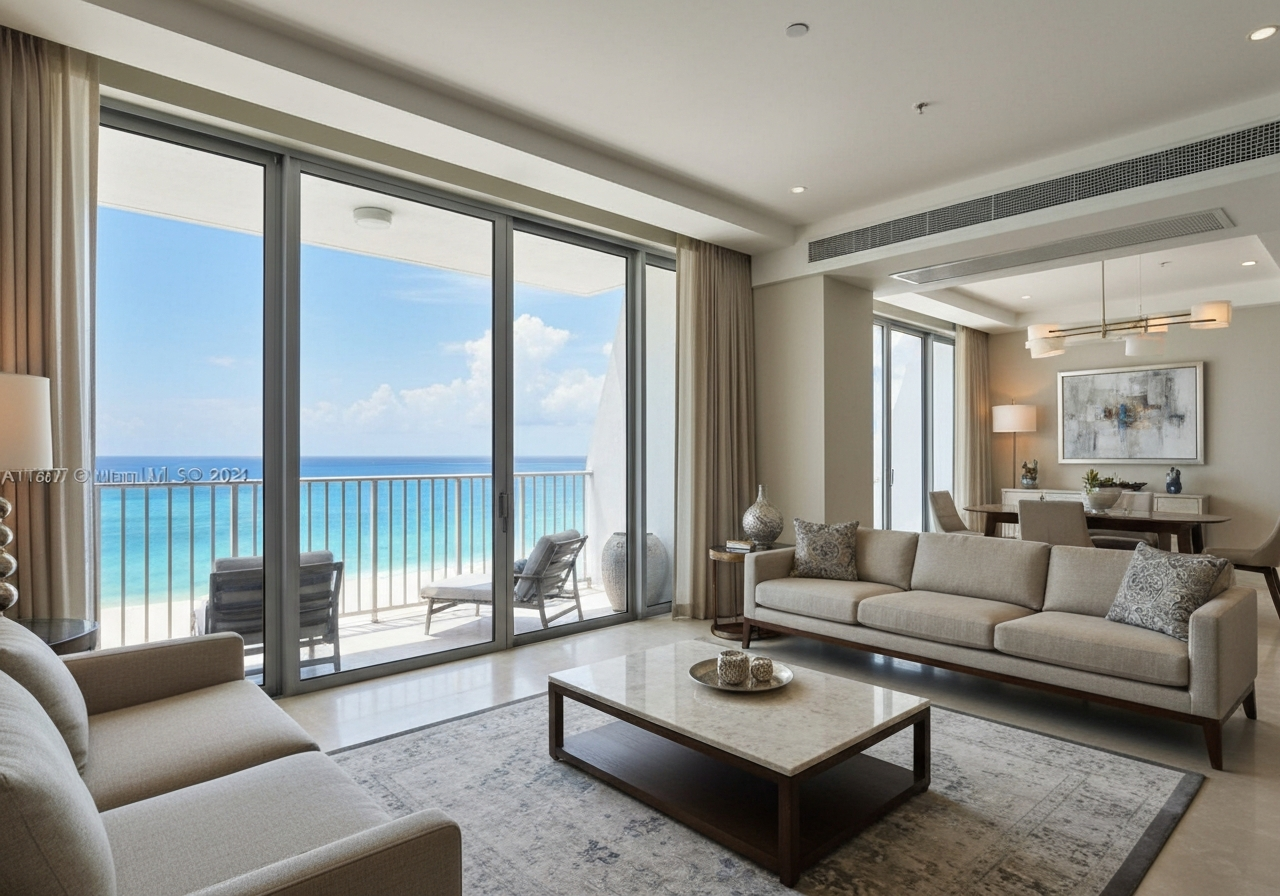
Navigating Condo Living: Why Insurance is Different for You
Living in a condominium offers a unique lifestyle, often combining the benefits of homeownership with fewer maintenance responsibilities. However, this distinct arrangement also means that your insurance needs differ significantly from those of a traditional single-family homeowner. Understanding this difference is the first crucial step in navigating the world of a condo insurance guide. Unlike homeowners who are solely responsible for insuring their entire property, from the roof to the foundation, condo owners share some responsibilities with their condo association.
Your condo association typically carries a master insurance policy that covers the building’s exterior, common areas, and shared amenities. This could include the roof, hallways, elevators, gyms, and pools. However, this master policy generally does not extend to the interior of your individual unit or your personal belongings. That’s where your personal condo insurance, often referred to as an HO-6 policy, comes into play. It’s designed to fill the gaps in the master policy and protect what’s yours within your unit.
The shared responsibility model for condo insurance can sometimes be complex, making it essential to understand both your individual policy and the association’s master policy. For instance, while a standard homeowners insurance policy (HO-3) covers the entire structure, an HO-6 policy focuses on the interior of your unit. This distinction ensures you’re adequately protected against damage to your personal property, liability claims, and even temporary living expenses if your unit becomes uninhabitable due to a covered event.
Understanding the Foundation: Master Policies vs. Your Individual HO-6
The interaction between your individual HO-6 condo insurance policy and your condo association’s master policy is fundamental to comprehensive protection. The specifics of what each policy covers largely depend on the type of master policy your association has in place. There are generally three main categories:
- Bare Walls-In Coverage: This is the most limited type of master policy. It typically covers only the basic structure of the building, meaning the exterior walls, roof, and foundation. With a “bare walls-in” policy, your individual HO-6 policy would need to cover everything inside your unit, including interior walls, flooring, cabinets, fixtures, and appliances.
- Single Entity Coverage: This type of master policy is broader than bare walls-in. It usually covers the building’s structure and the original fixtures and finishes within individual units, such as standard cabinets and appliances. However, it typically does not cover any upgrades or improvements you’ve made to your unit over time. If your association has single entity coverage and you’ve invested in renovations, your HO-6 policy should account for these enhancements.
- All-In (All-Inclusive) Coverage: This is the most comprehensive master policy. It covers the building structure, common areas, and most built-in features within individual units, including any improvements or additions made by owners. If your association carries an “all-in” policy, your individual HO-6 policy may only need to cover your personal belongings and liability.
It is crucial to obtain a copy of your condo association’s master policy and review it carefully to understand its coverage limits and deductibles. This review is essential to identify any gaps that your HO-6 policy needs to address. Understanding these nuances can also help associations in their budgeting process, potentially identifying ways to save on their condo/HOA budget by reviewing the master insurance policy and adjusting coverage responsibly.
What Does Your Individual Condo Insurance Guide Cover? Essential Protections
Your individual HO-6 policy is a vital component of your overall insurance strategy as a condo owner. This personal condo insurance guide outlines the essential protections it offers:
Dwelling Coverage (Interior Unit Protection)
This coverage protects the interior structure of your condo unit. Depending on your association’s master policy, dwelling coverage can pay for damages to:
- Interior walls and ceilings
- Flooring (carpets, hardwood, tile)
- Built-in fixtures (cabinets, countertops)
- Appliances (if not covered by the master policy)
Events like fire, smoke, windstorms, hail, and burst pipes are typically covered perils. It’s important to match your dwelling coverage with what your master policy doesn’t cover to avoid being underinsured.
Personal Property Coverage
Your HO-6 policy also safeguards your personal belongings inside your unit against theft, damage, or loss due to covered perils. This includes items such as:
- Furniture
- Electronics
- Clothing
- Artwork and jewelry (often with specific limits)
Many policies offer coverage based on either actual cash value (depreciated value) or replacement cost (cost to buy new), with replacement cost coverage offering more comprehensive protection for your possessions.
Personal Liability Coverage
This protection is critical if someone is injured in your condo unit or if you accidentally cause damage to someone else’s property. Personal liability coverage can help pay for:
- Medical expenses for injured guests
- Legal fees if you are sued
- Damages you are found responsible for
It also extends to incidents that occur outside your unit, such as if your pet causes an injury. This coverage is an essential safety net for unexpected events.
Loss Assessment Coverage
Condo associations may issue “loss assessments” to unit owners to cover expenses that exceed the master policy’s limits, such as major repairs to common areas after a large-scale disaster or significant liability claims. Loss assessment coverage in your HO-6 policy can help pay your share of these unexpected costs, preventing you from paying entirely out-of-pocket.
Beyond the Walls: Personal Property, Liability, and Loss of Use Explained
Beyond the fundamental dwelling coverage, a robust condo insurance guide emphasizes the importance of understanding specific protections for your personal property, personal liability, and loss of use. These components extend your financial safety net considerably.
Personal Property: Protecting What You Own
As discussed, personal property coverage is a cornerstone of your HO-6 policy. It’s crucial to conduct a home inventory to accurately assess the value of your belongings. This detailed list helps ensure you select appropriate coverage limits. While standard policies cover many items, high-value possessions like fine jewelry, art, or specialized equipment often have sub-limits. For these items, you may consider purchasing a scheduled personal property endorsement or a floater to provide adequate protection. This ensures that in the event of theft or damage, you can replace these unique items without significant out-of-pocket expense.
Personal Liability: Safeguarding Your Financial Future
Personal liability coverage extends beyond your physical condo unit. It offers protection if you or a family member residing with you are found legally responsible for bodily injury or property damage to others, whether the incident occurs in your home or elsewhere. This could range from a guest slipping on a wet floor in your unit to your child accidentally damaging a neighbor’s property. The coverage helps with legal defense costs and any judgments or settlements you may be required to pay. Increasing your liability limits, or considering an umbrella insurance policy, is often recommended to protect substantial assets.
Loss of Use: Covering Additional Living Expenses
If a covered peril, such as a fire or a burst pipe, makes your condo unit uninhabitable, the “loss of use” or “additional living expenses” portion of your HO-6 policy provides financial assistance. This coverage helps pay for the increased costs you incur while your home is being repaired or rebuilt. Covered expenses can include:
- Hotel stays or temporary rental housing
- Restaurant meals beyond your usual food budget
- Laundry services
- Other essential living expenses that arise from being displaced
This critical coverage ensures that an unforeseen event doesn’t also lead to overwhelming financial strain from unexpected living costs. For more information on protecting your personal assets, consult with an insurance professional.
Closing Coverage Gaps: Flood, Earthquake, and Water Backup Options
While a standard HO-6 policy provides broad coverage for many common perils, it’s vital for condo owners to recognize and address specific exclusions, especially concerning natural disasters and certain types of water damage. A truly comprehensive condo insurance guide will emphasize these critical add-ons.
Flood Insurance
Standard condo insurance policies, like most homeowners policies, typically exclude flood damage. This means damage from external sources like heavy rainfall, storm surges, or overflowing bodies of water will not be covered without a separate flood insurance policy. For condo owners, flood insurance usually focuses on the interior of your unit, protecting drywall, flooring, cabinets, and your personal belongings. It’s important to understand that coverage for contents and the structure often have separate limits and deductibles. Whether you live in a high-risk flood zone or not, considering flood insurance is a prudent step, as floods can occur in any area. More details on what flood insurance covers for home and condo owners can clarify these important distinctions.
Beach Insurance LLC also offers dedicated flood insurance solutions to protect against these specific perils.
Earthquake Insurance
Similar to flood damage, earthquake damage is generally excluded from standard condo insurance policies. If you reside in an earthquake-prone region, purchasing a separate earthquake insurance policy or endorsement is highly recommended. This coverage can help pay for repairs to your unit’s interior, damage to personal property, and even additional living expenses if your condo becomes uninhabitable after an earthquake. Deductibles for earthquake insurance are often a percentage of the policy’s coverage amount, so it’s essential to understand these costs upfront. For those in susceptible areas, reviewing resources on earthquake insurance is a wise decision.
Water Backup Coverage
Damage caused by water backing up through sewers or drains, or from a malfunctioning sump pump, is another common exclusion in standard HO-6 policies. This type of water damage can be extensive and costly to repair. Adding a water backup endorsement to your condo policy can fill this crucial coverage gap, protecting your unit and belongings from this specific type of peril. It’s a relatively inexpensive addition that can prevent significant out-of-pocket expenses.
Factors Influencing Condo Insurance Costs and Smart Savings Tips
The cost of your condo insurance can vary significantly, with the average annual cost in the U.S. being around $490, though rates fluctuate widely by location and coverage choices. Understanding the factors that influence these premiums and exploring ways to save can help you secure optimal protection without overspending. This condo insurance guide covers key cost determinants and savings strategies.
Key Factors Affecting Your Premium:
- Location: Where your condo is located plays a significant role. States and cities with higher risks of natural disasters (like hurricanes or earthquakes) or higher crime rates often have higher insurance premiums.
- Coverage Limits and Deductibles: The amount of coverage you choose for your dwelling, personal property, and liability directly impacts your premium. Higher coverage limits generally mean higher premiums. Conversely, choosing a higher deductible (the amount you pay out-of-pocket before your insurance kicks in) can lower your premium.
- Value of Personal Property: If you have many high-value items, your personal property coverage will likely be higher, leading to increased costs.
- Building Characteristics: The age, construction type, and overall condition of your condo building can influence rates. Newer buildings with modern safety features may qualify for lower premiums.
- Claims History: A history of previous claims, whether for property damage or liability, can lead to higher insurance costs.
- Credit-Based Insurance Score: In most states, insurers use a credit-based insurance score to help determine rates. A good score often translates to lower premiums.
Smart Savings Tips for Condo Owners:
- Shop Around and Compare Quotes: Obtain quotes from multiple insurance providers. Prices for similar coverage can vary considerably between companies.
- Increase Your Deductible: If you have sufficient savings, opting for a higher deductible can lead to noticeable savings on your annual premium. Just ensure you’re comfortable paying that amount in an emergency.
- Bundle Policies: Many insurers offer discounts if you purchase multiple policies from them, such as bundling your condo insurance with auto insurance.
- Inquire About Discounts: Ask your insurance agent about available discounts. Common discounts include those for having a security system, smoke detectors, being a retiree, or having a claims-free history.
- Improve Your Credit Score: As credit-based insurance scores impact rates, improving your credit over time can lead to lower insurance costs.
- Review Your Master Policy: A thorough understanding of your association’s master policy can help you avoid purchasing redundant coverage, potentially saving you money on your individual HO-6 policy.
Choosing the Best Condo Insurance Provider for Your Peace of Mind
Selecting the right condo insurance provider is a critical decision that impacts your financial security and peace of mind. While the cheapest policy might seem appealing, the best choice is often one that offers comprehensive coverage, excellent customer service, and a strong financial standing. When evaluating providers, consider the following aspects:
Understand Your Specific Needs
Every condo owner’s situation is unique. Before comparing providers, clearly define your coverage requirements. This involves:
- Reviewing your condo association’s master policy to identify what it covers and, more importantly, what it doesn’t.
- Assessing the value of your personal property and any significant upgrades you’ve made to your unit.
- Considering your personal liability exposure and whether you need higher limits or an umbrella policy.
- Evaluating the need for additional endorsements like flood, earthquake, or water backup coverage based on your location and risk factors.
Research Provider Reputation and Financial Strength
A reliable insurance provider should have a strong reputation for handling claims fairly and efficiently. Look for companies with high ratings from independent financial strength rating agencies, as this indicates their ability to meet their financial obligations to policyholders. Online reviews and consumer complaint data can also provide insights into customer satisfaction.
Compare Coverage and Exclusions
When comparing quotes, don’t just look at the price. Carefully review the details of each policy, including:
- The specific perils covered and excluded.
- Deductibles for each type of coverage.
- Limits for personal property, dwelling, liability, and loss assessment.
- Availability and cost of optional endorsements that address your unique risks.
Ensure that the coverage aligns with your needs and the gaps identified in your master policy.
Evaluate Customer Service and Claims Process
A good insurance provider offers accessible and responsive customer service. This is particularly important when you need to file a claim. Research their claims process: Is it straightforward? Do they have a good track record for timely payouts? An agent who specializes in condo insurance can also be invaluable, helping you understand complex policy language and advocating on your behalf.
Securing Your Condo: Next Steps to Comprehensive Protection
Ensuring your condo is fully protected requires proactive steps and a clear understanding of your insurance landscape. The journey outlined in this condo insurance guide emphasizes the distinct nature of condo ownership and the importance of tailored coverage. To secure comprehensive protection, here are your next essential actions:
- Obtain and Review Your Master Policy: This is the single most critical step. Request a current copy of your condo association’s master insurance policy. Carefully review it to understand the type of coverage (bare walls-in, single entity, or all-in), its limits, and particularly the deductible. This will reveal precisely where your individual HO-6 policy needs to provide coverage.
- Conduct a Detailed Home Inventory: Document all your personal belongings, including furniture, electronics, and valuables. Photographs or videos can be invaluable in the event of a claim. This inventory will help you determine appropriate limits for your personal property coverage.
- Assess Your Dwelling and Liability Needs: Based on the master policy review, calculate how much dwelling coverage you need for the interior of your unit. Consider your personal assets to establish adequate liability coverage, potentially exploring umbrella policies for extended protection.
- Identify and Address Coverage Gaps: Consider potential risks specific to your location. Do you live in an area prone to floods or earthquakes? Does your building have older plumbing systems that might lead to water backup? Obtain quotes for necessary endorsements to close these coverage gaps.
- Compare Quotes from Multiple Providers: Don’t settle for the first quote. Research various insurance companies, compare their policy offerings, customer service reputations, and financial stability. Look for a provider that offers the right balance of comprehensive coverage and competitive pricing.
- Consult with an Insurance Professional: An experienced insurance agent specializing in condo policies can be an invaluable resource. They can help you decipher complex policy language, ensure you have adequate coverage based on your master policy and personal assets, and identify potential discounts.
- Review Your Policy Annually: Your insurance needs can change over time. Remodel projects, new purchases, or changes in your association’s master policy warrant an annual review of your HO-6 policy to ensure it remains current and sufficient.
By taking these steps, you can confidently navigate the complexities of condo insurance, safeguarding your investment and providing you with the peace of mind you deserve.
Ready to secure your peace of mind with comprehensive condo insurance? Visit our Contact Us page to get started!