Understanding Basic Homeowners Insurance: An Essential Overview
For most homeowners, their property represents their largest and most significant investment. Protecting this asset from unforeseen events is paramount, and that’s where homeowners insurance plays a crucial role. Understanding basic homeowners insurance provides financial protection against a wide array of damages to your house, personal belongings, and offers crucial liability coverage in case of accidents on your property. This guide from Beach Insurance LLC will demystify the core components of a standard homeowners policy, helping you make informed decisions about safeguarding your home and financial well-being.
The Four Pillars of Your Homeowners Policy
A standard homeowners insurance policy is typically a “package policy,” meaning it bundles multiple types of coverage into one comprehensive plan. While specific details can vary by insurer and state, most policies include four fundamental areas of protection:
- Dwelling Coverage: Protects the physical structure of your home.
- Personal Property Coverage: Safeguards your belongings inside and outside your home.
- Liability Protection: Covers legal expenses if you’re responsible for injuries or property damage to others.
- Additional Living Expenses (ALE): Provides financial support if your home becomes unlivable due to a covered loss.
Dwelling Coverage: Protecting Your Home’s Structure
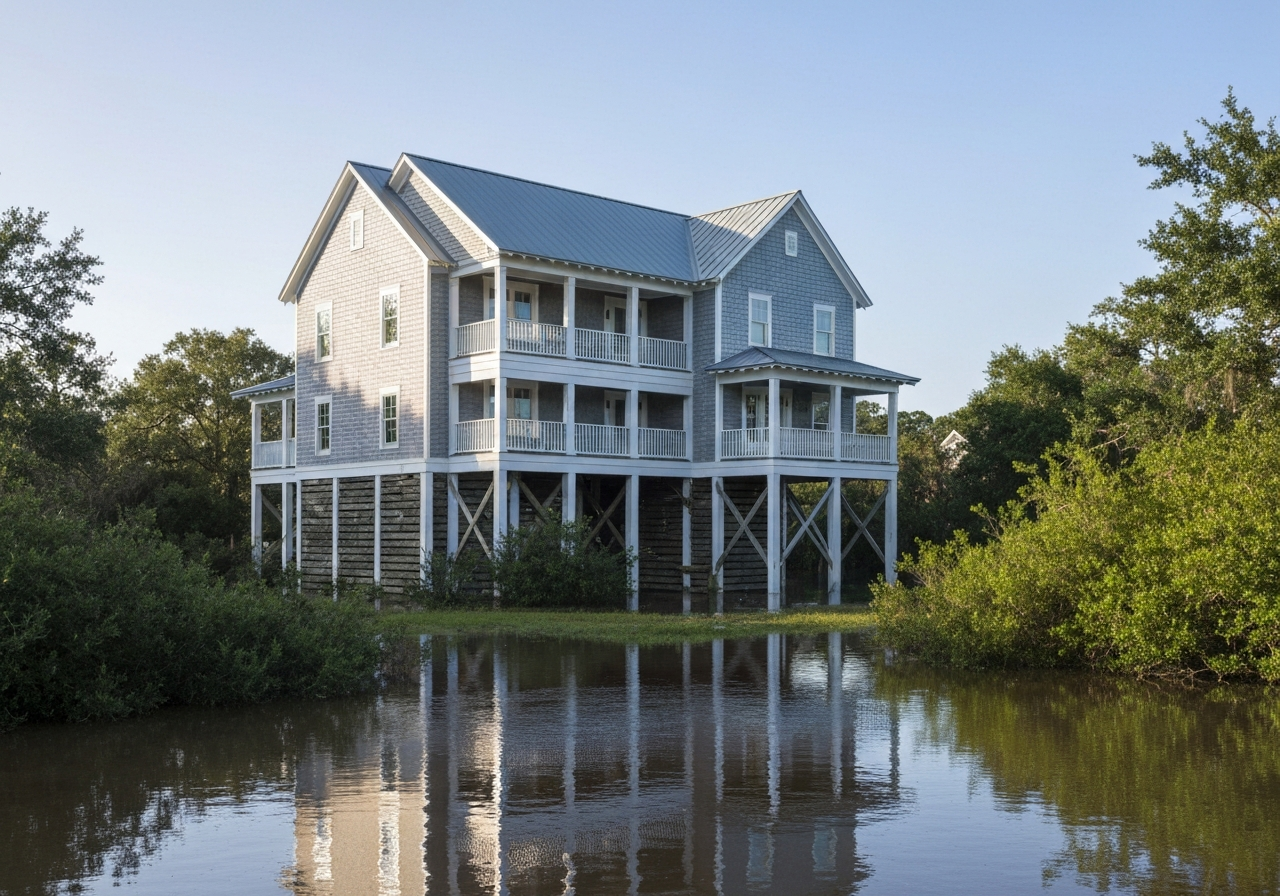
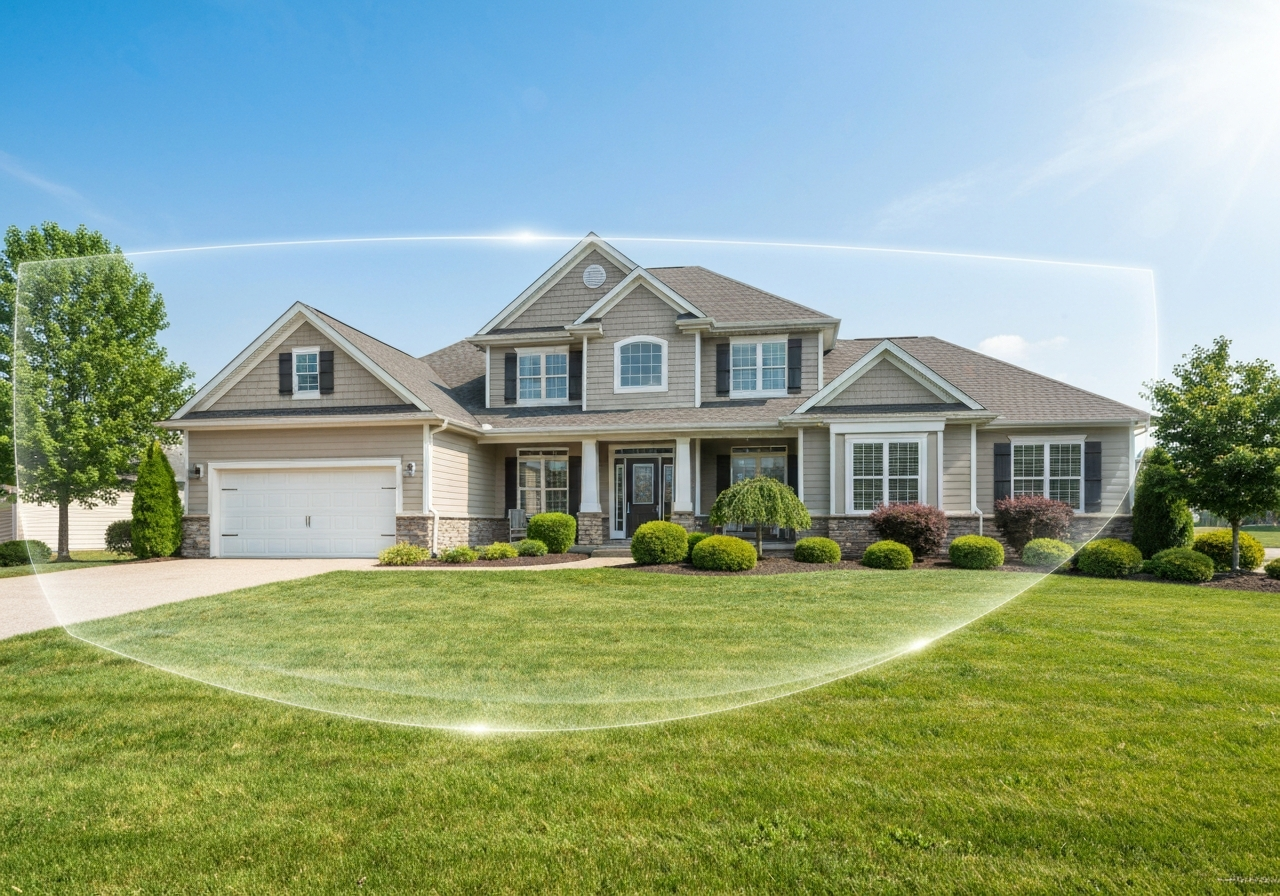
This foundational component covers the physical structure of your house, including the walls, roof, floors, and built-in appliances, as well as attached structures like garages, porches, or decks. It’s designed to pay for repairs or rebuilding if your home is damaged or destroyed by covered perils such as fire, hurricanes, hail, or lightning. A key guideline when determining your dwelling coverage limit is to ensure it’s sufficient to rebuild your home entirely at current construction costs, not just its market value or your mortgage amount. It’s important to note that standard dwelling coverage generally does not cover damage caused by floods or earthquakes, which typically require separate policies or endorsements.
Personal Property Coverage: Safeguarding Your Belongings
Beyond the structure, your homeowners policy also protects the items within your home. Personal property coverage extends to your furniture, clothing, electronics, sports equipment, and other personal possessions. What many policyholders find surprising is that this coverage often extends to items stored off-premises, meaning your belongings might be covered even if they’re stolen from your car or a storage unit. Typically, this coverage is set as a percentage (often 50% to 70%) of your dwelling coverage amount. For valuable items like jewelry, fine art, or silverware, standard policies usually have dollar limits if they are stolen. To ensure these expensive items are fully protected, you may need to purchase a special personal property endorsement or floater.
When it comes to reimbursement, you typically have two options for your personal property:
- Actual Cash Value (ACV): This pays to replace your belongings minus a deduction for depreciation, meaning you receive what the item is currently worth.
- Replacement Cost: This pays the cost to replace your damaged possessions with new ones of similar kind and quality, without deducting for depreciation. This option usually comes at a slightly higher premium but offers more comprehensive protection.
Liability Protection: When Accidents Happen
Accidents can happen anywhere, and if someone is injured on your property or you (or a family member or pet) accidentally cause damage to someone else’s property, you could face a lawsuit. Liability protection is a crucial component of your homeowners policy that covers legal expenses, including defense costs and any court awards, up to your policy limits. This coverage extends beyond your property, protecting you from claims for bodily injury or property damage you cause to others, even if the incident occurs away from your home. Most homeowners policies begin with about $100,000 in liability coverage, but experts often recommend increasing this to at least $300,000 to $500,000, especially if you have significant assets. For enhanced protection, an umbrella or excess liability policy can provide broader coverage and higher limits.
Additional Living Expenses (ALE): Support During Displacement
If a covered peril, such as a fire or severe storm, makes your home uninhabitable, the last thing you want to worry about is where you’ll stay and how you’ll afford daily necessities. This is where Additional Living Expenses (ALE) coverage, also known as “loss of use” coverage, provides a vital safety net. ALE reimburses you for the increased costs of living away from your home while it’s being repaired or rebuilt. This can include expenses like hotel bills, restaurant meals, and other incidental costs incurred beyond your normal living expenses. It’s important to understand that ALE policies usually have specific dollar limits and/or time limitations, so keeping detailed records and receipts for all additional expenditures is crucial for reimbursement. In some cases, if you rent out part of your home, ALE can also cover the lost rental income during the displacement period.
What Standard Homeowners Insurance Typically Doesn’t Cover
While homeowners insurance offers extensive protection, it’s equally important to understand its limitations. Standard policies generally exclude damage from specific perils, requiring separate coverage if you live in an area prone to these risks:
- Flooding: Damage caused by natural flooding, storm surges, or water seeping from the ground is typically not covered. Flood insurance is available separately through the National Flood Insurance Program (NFIP) or private insurers.
- Earth Movements: Earthquakes, landslides, mudslides, and sinkholes are usually excluded. Specialized earthquake insurance can be purchased as an endorsement or a separate policy.
- Poor Maintenance or Neglect: Damage resulting from a lack of routine home maintenance, wear and tear, or preventable issues (e.g., long-term leaks causing mold) is generally not covered. Homeowners are expected to maintain their property.
- Pest Infestations: Damage caused by insects (like termites or bed bugs) or rodents is typically excluded, as these are considered maintenance issues.
- Intentional Damage: Any damage caused intentionally by the homeowner or a resident family member is not covered.
- Acts of War or Government Action: Damage resulting from war, terrorism, or government seizure of property is usually excluded.
For more detailed exclusions, reviewing your specific policy’s “exclusions” section is essential to avoid surprises when filing a claim.
Partner with Beach Insurance LLC for Tailored Home Protection
Understanding the intricacies of your homeowners insurance policy is vital to ensuring your most valuable asset is adequately protected. From the structure of your home and your personal belongings to liability protection and additional living expenses, each component plays a critical role in your financial security. While standard policies offer broad coverage, being aware of common exclusions like floods and earthquakes and exploring additional endorsements can provide a truly comprehensive shield for your home.
At Beach Insurance LLC, we are committed to helping you navigate these complexities. We strive to offer personalized guidance and competitive coverage options tailored to your unique needs, ensuring you have the peace of mind that comes from knowing your home is well-protected. We encourage you to reach out to a trusted insurance professional to review your current policy and discuss how we can help you secure the optimal homeowners insurance for your situation.
Secure your home’s future with the right coverage. Contact Beach Insurance LLC today to review your policy.