
Introduction: Securing Your Investment with Homeowners Insurance
For most homeowners, a house represents their most significant investment. Protecting this asset from unforeseen damages, theft, and accidents is paramount. This is where Basic Homeowners Insurance steps in, providing a crucial financial safety net. Understanding the fundamentals of this coverage is the first step toward securing your peace of mind and safeguarding your future.
Understanding Basic Homeowners Insurance: Your Foundation of Protection
Homeowners insurance is not merely a policy; it’s a comprehensive package designed to shield you from a broad spectrum of perils associated with homeownership. It offers financial protection against damages to your house, losses due to natural disasters (with some exceptions), theft, and other unfortunate incidents. While not mandated by federal law, mortgage lenders almost always require it to protect their investment, and it is a prudent choice for any homeowner.
A standard homeowners policy acts as a “package policy,” meaning it bundles several types of coverage into one. This typically includes protection for the physical structure of your home, your personal belongings, liability for injuries or property damage you or your family might cause to others, and additional living expenses if your home becomes uninhabitable. This integrated approach ensures a foundational level of security for your property and personal finances.
The Four Core Coverages of Basic Homeowners Insurance
Most standard homeowners insurance policies are built upon four essential types of coverage, each addressing a distinct aspect of home protection. These pillars collectively form the foundation of your policy, offering a layered defense against various risks:
- Dwelling Coverage: Protects the physical structure of your home.
- Personal Property Coverage: Safeguards your belongings inside and sometimes outside your home.
- Liability Protection: Shields you from financial responsibility for injuries or damages to others.
- Additional Living Expenses (ALE): Covers extra costs if you need to live elsewhere during repairs after a covered loss.
Each of these coverages plays a vital role in providing comprehensive protection, ensuring that both your physical property and financial well-being are considered.
Dwelling Coverage: Protecting Your Home’s Physical Structure
Dwelling coverage, often referred to as Coverage A, is the cornerstone of any homeowners insurance policy. It is designed to pay for the repair or rebuilding of your home’s physical structure if it’s damaged or destroyed by a covered peril. This includes the walls, roof, foundation, and built-in appliances. Detached structures on your property, such as a garage, tool shed, or gazebo, are typically covered under “other structures” (Coverage B), usually up to about 10% of your dwelling coverage amount.
When determining the amount of dwelling coverage you need, it’s crucial to insure your home for its replacement cost, not its market value. Replacement cost is the amount it would take to rebuild your home with materials of similar kind and quality at current construction costs, without deducting for depreciation. This ensures you have sufficient funds to restore your home to its pre-loss condition, even if rebuilding costs exceed the initial purchase price or market value. Many insurers offer an “inflation guard” endorsement to automatically adjust your dwelling limit to keep pace with rising construction costs, providing an important safeguard against unexpected expenses during rebuilding.
Personal Property Coverage: Safeguarding Your Valuables
Your home is filled with personal items that make it uniquely yours, from furniture and clothing to electronics and sports equipment. Personal property coverage (Coverage C) protects these valuables if they are stolen or destroyed by a covered event, such as fire, hurricane, or other insured disasters. Most policies offer coverage for personal belongings typically ranging from 50% to 70% of the insurance amount on your home’s structure. It’s important to note that this coverage often extends beyond your home, protecting your belongings anywhere in the world, subject to policy limits and exclusions.
However, specific limitations often apply to high-value items like jewelry, furs, art, collectibles, and silverware, especially in cases of theft. For these items, dollar limits in a standard policy may not be sufficient to cover their full value. To ensure these treasured possessions are adequately protected, homeowners often consider purchasing a special personal property endorsement, also known as a “floater.” This allows you to insure specific items for their appraised value, often with broader coverage and no deductible, providing peace of mind for your most cherished belongings.
Liability Protection: Shielding You from Unexpected Claims
Homeownership comes with responsibilities, including ensuring the safety of visitors to your property. Liability protection (Coverage E) in your homeowners insurance policy offers a critical safeguard against lawsuits for bodily injury or property damage that you, a family member, or even your pets cause to other people. For instance, if a guest slips on your icy sidewalk and is injured, or your dog accidentally damages a neighbor’s property, your liability coverage can help cover legal defense costs and any court awards, up to your policy limits.
Standard liability limits typically start around $100,000, but many insurance professionals recommend considering higher levels of protection, such as $300,000 to $500,000, especially if you have significant assets. Additionally, most policies include “medical payments coverage” (Coverage F), which provides no-fault medical coverage for minor injuries sustained by guests on your property, irrespective of who is at fault. This helps to cover initial medical bills without the need for a liability claim, fostering good neighborly relations while protecting your finances.
Additional Living Expenses (ALE): Support During Displacement
One of the most valuable, yet often overlooked, components of Basic Homeowners Insurance is Additional Living Expenses (ALE) coverage, sometimes called “loss of use” coverage. This vital protection steps in if your home becomes uninhabitable due to a covered loss, such as a fire or severe storm. ALE covers the *additional* costs you incur to maintain your normal standard of living while your home is being repaired or rebuilt.
These expenses can include hotel bills, temporary rental accommodations, restaurant meals (above your usual grocery budget), laundry services, storage fees for your belongings, and even pet boarding. The coverage aims to ease the financial burden during a stressful time, ensuring you and your family have a place to stay and essential needs met. It’s important to keep meticulous records and receipts for all additional expenses, as reimbursement is typically based on the difference between your normal living costs and those incurred during displacement. ALE coverage usually has a dollar limit, often a percentage of your dwelling coverage (e.g., 20-30%), and may also have time limits, so understanding these specifics in your policy is crucial for effective planning.
What Basic Homeowners Insurance Typically Doesn’t Cover
While Basic Homeowners Insurance offers extensive protection, it’s equally important to understand its limitations. Standard policies typically exclude damages caused by certain perils, necessitating separate coverage if you live in an area prone to such events. Key exclusions generally include:
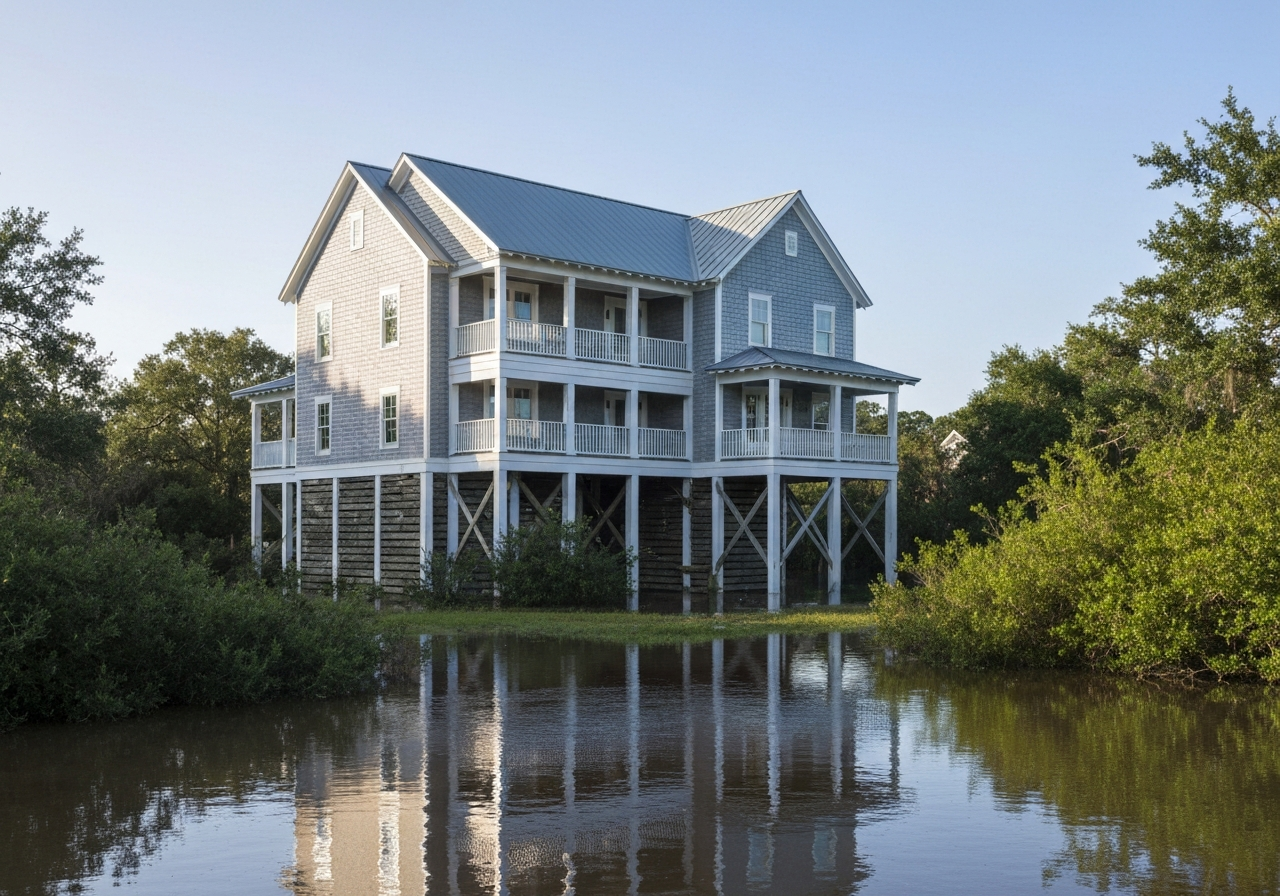
- Flooding: Damage from external floods (e.g., rising rivers, storm surges) is almost always excluded. Flood insurance is available through the National Flood Insurance Program (NFIP) and is often required by lenders in high-risk zones.
- Earthquakes: Earth movements, including earthquakes, landslides, and sinkholes, are typically not covered. Separate earthquake insurance policies or endorsements can be purchased for this risk.
- Wear and Tear & Negligence: Homeowners insurance does not cover damage resulting from a lack of routine maintenance, general wear and tear, or neglect. This includes issues like mold (unless caused by a sudden, covered peril) and pest infestations.
- Sewer Backups: Damage caused by sewer or drain backups is often excluded but can usually be added via an endorsement.
- Intentional Loss & Government Action: Deliberate damage to your property or losses resulting from war or government action are not covered.
Understanding these exclusions allows you to assess your specific risks and consider purchasing additional endorsements or separate policies to ensure truly comprehensive protection for your home and assets.
Why Choose Beach Insurance LLC for Your Home Protection
When it comes to safeguarding your most valuable asset, partnering with a knowledgeable and dedicated insurance provider is paramount. Beach Insurance LLC specializes in crafting personalized insurance programs that cater to the unique needs of homeowners. We understand that every home and homeowner is different, and a one-size-fits-all approach simply won’t suffice.
Our commitment extends beyond merely selling policies; we aim to educate our clients, helping them navigate the complexities of coverage options, deductibles, and endorsements. We prioritize building long-term relationships by providing expert advice and guidance, ensuring you secure the proper coverage at a competitive price. Whether you’re looking for dwelling, personal property, liability, or additional living expense coverage, Beach Insurance LLC is your trusted partner in protecting your home and family adequately against unfortunate events. We also offer insights into specific regional concerns, such as understanding your hurricane deductible, to ensure you are fully prepared for local risks.
Ready to secure your home with comprehensive coverage? Contact Beach Insurance LLC today to discuss your homeowners insurance needs and get a personalized quote.