Unlocking Peace of Mind: The Importance of a Homeowners Insurance Policy
For most homeowners, their property represents their largest financial asset and a sanctuary for their families. Protecting this investment from unforeseen events is paramount, and that’s where a comprehensive Homeowners Insurance Policy becomes indispensable. This essential coverage provides financial safeguards against a wide array of perils, from natural disasters like fires and hurricanes to theft and accidental damages. While no federal law mandates homeowners insurance, mortgage lenders almost universally require it to protect their investment, underscoring its critical role in homeownership. Understanding the nuances of your policy is key to ensuring your peace of mind and securing your home’s future.
Core Coverages Explained: What Your Homeowners Insurance Policy Protects
A standard homeowners insurance policy is a “package policy” designed to offer broad protection, typically encompassing four crucial areas:
- Dwelling Coverage (Coverage A): This covers the physical structure of your home, including attached garages and built-in features. It pays to repair or rebuild your house if it’s damaged or destroyed by covered perils such as fire, windstorm, hail, or lightning.
- Other Structures Coverage (Coverage B): This extends protection to detached structures on your property, like fences, sheds, and detached garages. Generally, this coverage is a percentage of your dwelling coverage.
- Personal Property Coverage (Coverage C): Your belongings inside and outside your home, including furniture, clothing, electronics, and sports equipment, are covered if they are stolen or destroyed by insured disasters. Most policies provide coverage between 50% and 70% of your dwelling coverage. For expensive items like jewelry or art, there are typically dollar limits, and additional endorsements or “floaters” may be needed to insure them to their full value. Conducting a home inventory is highly recommended to accurately assess your possessions.
- Liability Protection (Coverage E): This is a vital component, shielding you from lawsuits due to bodily injury or property damage that you or your family members (including pets) cause to others. It covers legal defense costs and court awards up to your policy’s limits. Standard liability limits often start around $100,000, but many experts recommend higher amounts, often between $300,000 and $500,000, especially if you have significant assets.
- Additional Living Expenses (ALE) / Loss of Use (Coverage D): If a covered event makes your home uninhabitable, ALE coverage helps pay for the additional costs of living away, such as hotel bills, restaurant meals, and other expenses incurred while your home is being repaired or rebuilt.
These core coverages work in tandem to provide a robust safety net, ensuring you have the financial resources to recover from unexpected events. For a detailed look at Beach Insurance LLC’s specific offerings, you can visit our Homeowners Insurance page.
Beyond the Basics: Understanding Exclusions and Optional Add-Ons
While a standard homeowners insurance policy offers broad protection, it’s crucial to understand what it typically does not cover. Common exclusions include:
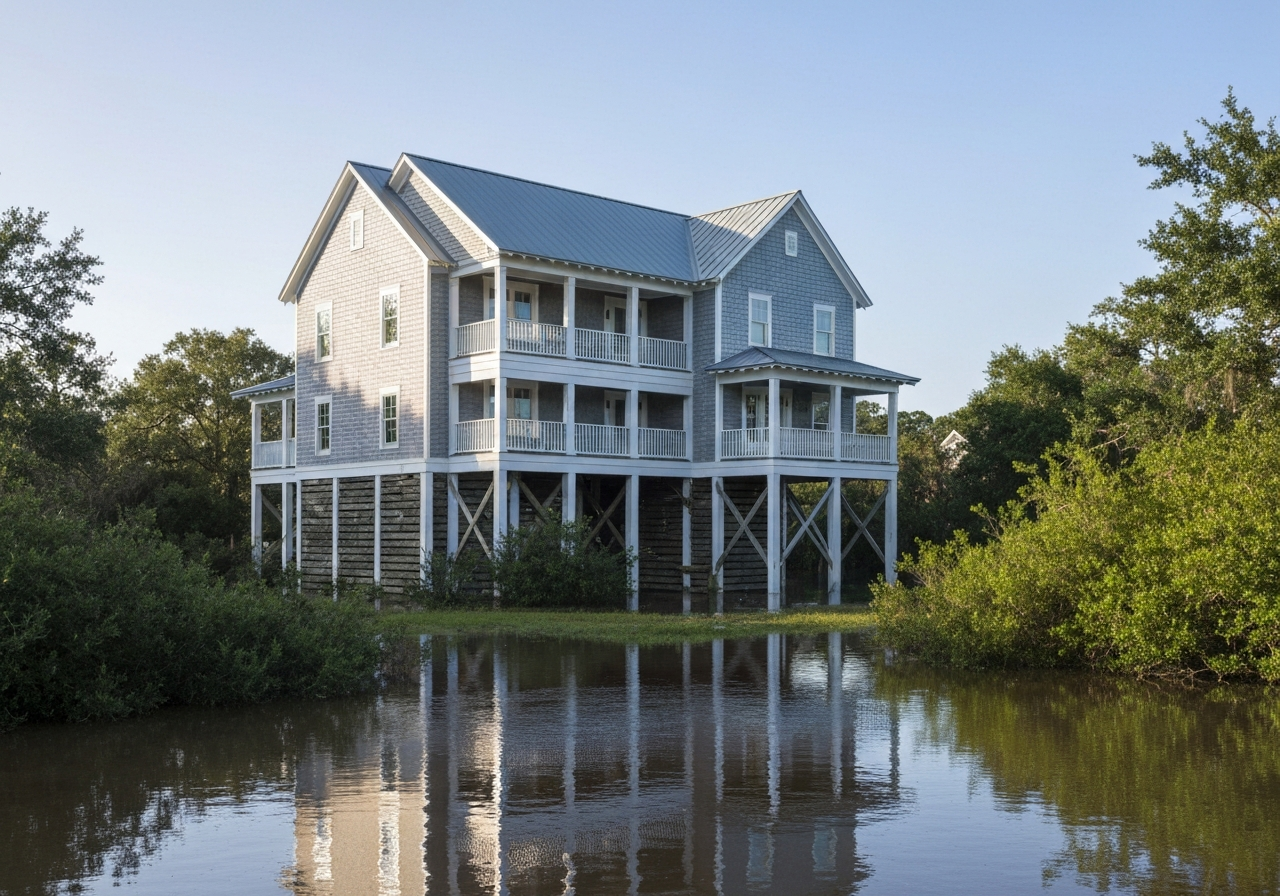
- Flooding: Damage from floods is almost universally excluded and requires a separate flood insurance policy, often available through the National Flood Insurance Program (NFIP) or private insurers.
- Earthquakes: Similar to floods, earthquake damage is not covered by standard policies and usually requires a separate endorsement or policy.
- Wear and Tear/Lack of Maintenance: Policies are designed to cover sudden, accidental damage, not issues that arise from gradual deterioration or neglecting home maintenance. This includes problems like pest infestations, mold (unless caused by a covered peril like a burst pipe), and roof damage from improper upkeep.
- Sewer or Drain Backup: Damage caused by sewer or drain backups is often excluded but can typically be added with a specific endorsement.
- Intentional Damage: Any damage you intentionally cause to your property will not be covered.
- Extreme Perils: Events like war or nuclear hazards are considered uninsurable risks due to their widespread and catastrophic potential.
Fortunately, many of these coverage gaps can be closed with additional endorsements or separate policies, providing a more tailored protection plan. For example, if you reside in a region prone to specific weather events, such as the Texas coast, you might need separate windstorm and hail insurance. Understanding these limitations and available add-ons ensures your policy truly meets your unique needs.
Decoding Your Premium: Factors Influencing Your Homeowners Insurance Costs
The cost of your homeowners insurance policy is influenced by a multitude of factors, making it a highly personalized expense. Understanding these elements can help you make informed decisions about your coverage.
Key Factors Affecting Premiums:
- Location: Your home’s geographical location significantly impacts your premium. Areas prone to natural disasters like hurricanes, tornadoes, or wildfires often have higher rates. The proximity to a fire department and water sources also plays a role.
- Home Characteristics:
- Age and Condition: Older homes may have higher premiums due to outdated systems (electrical, plumbing, HVAC) or more expensive repair costs for unique architectural features.
- Construction Materials: The type of materials used in your home’s construction (e.g., brick vs. wood) affects rebuilding costs and, consequently, your premium.
- Size and Features: Larger homes and properties with additional features like swimming pools, hot tubs, or trampolines can increase premiums due to higher rebuilding costs and potential liability risks.
- Coverage Amount and Deductible: Generally, the more robust your coverage and the lower your deductible (the amount you pay out-of-pocket before insurance kicks in), the higher your premium. Conversely, choosing a higher deductible can lead to lower premiums.
- Claims History: A history of past homeowners insurance claims, whether from you or previous owners, can indicate a higher risk to insurers and may result in increased premiums.
- Credit-Based Insurance Score: In many states, insurers use a credit-based insurance score (distinct from a standard credit score) to help predict the likelihood of filing a claim, which can influence your rate.
- Replacement Cost of Materials: Fluctuations in construction material and labor costs can lead to changes in insurance premiums, as these directly impact the potential cost of rebuilding your home.
According to Experian, these factors create a comprehensive risk profile that insurers use to determine your specific premium. It is important to review these aspects regularly to ensure your policy remains appropriate and cost-effective.
Maximizing Value: Tips for Choosing the Right Homeowners Insurance Policy
Selecting the ideal homeowners insurance policy involves more than just finding the lowest price; it requires a strategic approach to balance coverage needs with affordability. Here are some tips to maximize value:
- Assess Your Needs Thoroughly: Create a detailed home inventory of your possessions and estimate the replacement cost of your home, not its market value (which includes land). This ensures you purchase adequate dwelling coverage and personal property limits. Consider any special items requiring additional floaters.
- Understand Reimbursement Options:
- Actual Cash Value (ACV): Pays to replace your home or possessions minus depreciation (wear and tear). While cheaper, it results in lower payouts.
- Replacement Cost Value (RCV): Pays the cost to repair or replace damaged property with new materials of similar kind and quality, without deduction for depreciation. This offers better financial protection but comes at a higher premium.
- Guaranteed or Extended Replacement Cost: These options provide an extra cushion (e.g., 20-50% above your dwelling limit) if rebuilding costs exceed your policy limit after a major disaster, safeguarding against sudden increases in construction costs.
- Shop Around and Compare Quotes: Premiums can vary significantly between insurance companies for similar coverage. Obtain quotes from multiple providers to ensure you’re getting competitive rates.
- Consider Bundling Policies: Many insurers offer discounts when you bundle your homeowners insurance with other policies, such as auto insurance. This can lead to substantial savings across your entire insurance portfolio.
- Choose an Appropriate Deductible: Opting for a higher deductible can lower your annual premium. However, ensure you have sufficient funds readily available to cover that deductible if you need to file a claim.
- Ask About Discounts: Inquire about various discounts that may be available, such as those for installing security systems, fire sprinklers, storm shutters, having a new roof, or being claim-free for a certain period.
- Regularly Review Your Policy: Life changes—home renovations, new valuable purchases, or changes in local construction costs—can all impact your insurance needs. Review your policy annually, especially at renewal, to ensure your coverage remains up-to-date. The NAIC recommends an annual review to adjust for these changes.
By actively managing these aspects, you can choose a homeowners insurance policy that provides comprehensive protection without overpaying. Beach Insurance LLC agents in locations like Summerville and Huntersville are available to help you navigate these choices.
Claims Corner: Actual Cash Value vs. Replacement Cost Explained
When it comes to filing a claim, understanding how your payout is calculated is critical. The distinction between Actual Cash Value (ACV) and Replacement Cost Value (RCV) significantly impacts the amount you receive.
Actual Cash Value (ACV)
ACV coverage pays the cost to repair or replace your damaged property, minus a deduction for depreciation. Depreciation accounts for the item’s age, wear, and tear. For example, if a fire destroys a 10-year-old television, an ACV policy would pay out the value of a 10-year-old TV, not the cost of a brand-new one. This means you would likely need to pay a significant amount out-of-pocket to replace the item with a new equivalent.
Replacement Cost Value (RCV)
RCV coverage, on the other hand, pays the cost to repair or replace your damaged property with new items of similar kind and quality, without any deduction for depreciation. Using the same example, an RCV policy would provide the funds necessary to purchase a new television, allowing you to replace your old one without additional personal expense (beyond your deductible). Most standard policies offer RCV for the dwelling structure but may default to ACV for personal property. It is often possible, and highly recommended, to upgrade personal property coverage to RCV for an additional premium.
Choosing between ACV and RCV involves weighing premium costs against potential out-of-pocket expenses during a claim. While ACV policies have lower premiums, they can leave you with a substantial financial gap if a loss occurs. RCV provides greater financial security, ensuring you can restore your property to its pre-loss condition with new items. The U.S. News & World Report provides an in-depth comparison, highlighting that RCV is generally the preferred choice for homeowners to ensure full restoration.
Secure Your Home’s Future: Partnering with Beach Insurance LLC
Navigating the complexities of a homeowners insurance policy can be daunting, but with the right partner, you can confidently secure your home’s future. Beach Insurance LLC is dedicated to providing tailored insurance solutions that meet the unique needs of homeowners. We understand that every home and every homeowner’s situation is different, and our experienced agents are committed to guiding you through the process, ensuring you have comprehensive protection.
Our expertise extends to helping you understand specific coverages, identifying potential exclusions, and exploring optional add-ons like extended replacement cost or specialized endorsements for high-value items. We also offer guidance on how factors such as your home’s location and characteristics can influence your premium, helping you make informed decisions to maximize value and minimize costs.
Whether you’re in Johns Island, North Myrtle Beach, or Concord, Beach Insurance LLC is your trusted local partner. We believe in building lasting relationships by offering personalized advice and reliable support, ensuring your most significant investment is adequately protected. With Beach Insurance LLC, you gain a partner committed to your security and peace of mind.
Ready to secure your home with comprehensive homeowners insurance? Visit our Contact Us page to get started with Beach Insurance LLC today!