Understanding Homeowners Insurance Basics: Your Guide to Protecting Your Home
Homeowners insurance is a crucial financial safeguard, combining property and casualty coverage to protect your most valuable asset. It shields you from unexpected financial burdens due to various disasters, theft, and accidents. Understanding Homeowners Insurance Basics involves knowing its core components: coverage for your home’s structure, personal belongings, liability to others, and additional living expenses if your home becomes uninhabitable. For many, especially those with a mortgage, this coverage isn’t just a recommendation but a lender requirement, ensuring their investment is protected.
What Does Homeowners Insurance Cover? Key Protections Explained
A standard homeowners insurance policy is a comprehensive package designed to offer broad protection. It typically includes four essential types of coverage:
- Dwelling Coverage: This is the primary protection for your house and any attached structures, such as a garage or porch. It pays to repair or rebuild your home if it’s damaged or destroyed by perils listed in your policy, like fire, windstorm, or hail. It’s crucial to ensure this coverage is sufficient to rebuild your home entirely, not just its market value.
- Other Structures Coverage: This extends protection to structures on your property not attached to your main house, like detached garages, sheds, or fences. Typically, this coverage is a percentage (often 10%) of your dwelling coverage.
- Personal Property Coverage: This protects your personal belongings, such as furniture, clothing, and electronics, whether they’re stolen or destroyed by a covered event. This coverage often extends beyond your home, protecting your items anywhere in the world. High-value items like jewelry or fine art may have sub-limits and might require a special personal property endorsement or floater for full protection.
- Liability Protection: This is a critical component that safeguards you against lawsuits for bodily injury or property damage that you, family members, or even your pets cause to other people. It covers legal defense costs and any court awards up to your policy limits.
- Additional Living Expenses (ALE): Also known as loss of use coverage, ALE pays the extra costs of living away from your home if it becomes uninhabitable due to a covered disaster. This can include hotel bills, restaurant meals, and other increased living expenses while your home is being repaired or rebuilt.
Types of Homeowners Insurance Policies: ACV, Replacement Cost, and More
Homeowners insurance policies come in various forms, each offering different levels of coverage:
- HO-1 (Basic Form): This is the most limited, named-peril policy covering only 10 specific hazards. Claims are often paid at actual cash value (ACV).
- HO-2 (Broad Form): Expanding on HO-1, this named-peril policy covers 16 perils and typically insures the dwelling at replacement cost value (RCV).
- HO-3 (Special Form): The most common type of homeowners insurance, HO-3 offers “open peril” coverage for your dwelling (covering all causes of damage except those specifically excluded) and “named peril” coverage for personal property. Dwelling coverage is usually RCV, while personal property defaults to ACV but can often be upgraded to RCV.
- HO-4 (Renters Coverage): Designed for renters, this named-peril policy protects personal belongings, liability, and additional living expenses, but not the building structure itself.
- HO-5 (Comprehensive Form): This offers the broadest protection, with “open peril” coverage for both the dwelling and personal property. It’s ideal for newer or higher-value homes and includes higher limits for valuables.
- HO-6 (Condo Coverage): Specifically for condominium owners, HO-6 covers the interior of the unit, personal property, liability, and loss of use, complementing the condo association’s master policy for the building structure.
- HO-7 (Mobile Home Coverage): Similar to an HO-3, this policy provides open-peril coverage for the mobile or manufactured home structure and named-peril for personal property.
- HO-8 (Older Home Coverage): Tailored for older or historic homes where replacement cost exceeds market value, HO-8 policies typically pay claims based on actual cash value (ACV) and cover named perils.
Understanding the distinction between named peril vs. open peril policies and Actual Cash Value (ACV) vs. Replacement Cost Value (RCV) is key:
- Named Peril: Your policy only covers damages caused by the specific events listed.
- Open Peril: Your policy covers all damages except those explicitly excluded.
- Actual Cash Value (ACV): Pays the cost to replace damaged items minus depreciation.
- Replacement Cost Value (RCV): Pays the cost to replace damaged items with new ones of similar quality, without deducting for depreciation.
Common Exclusions in Homeowners Insurance: What’s Not Covered?
Even the most comprehensive homeowners insurance policies have limitations. Common exclusions you should be aware of include:
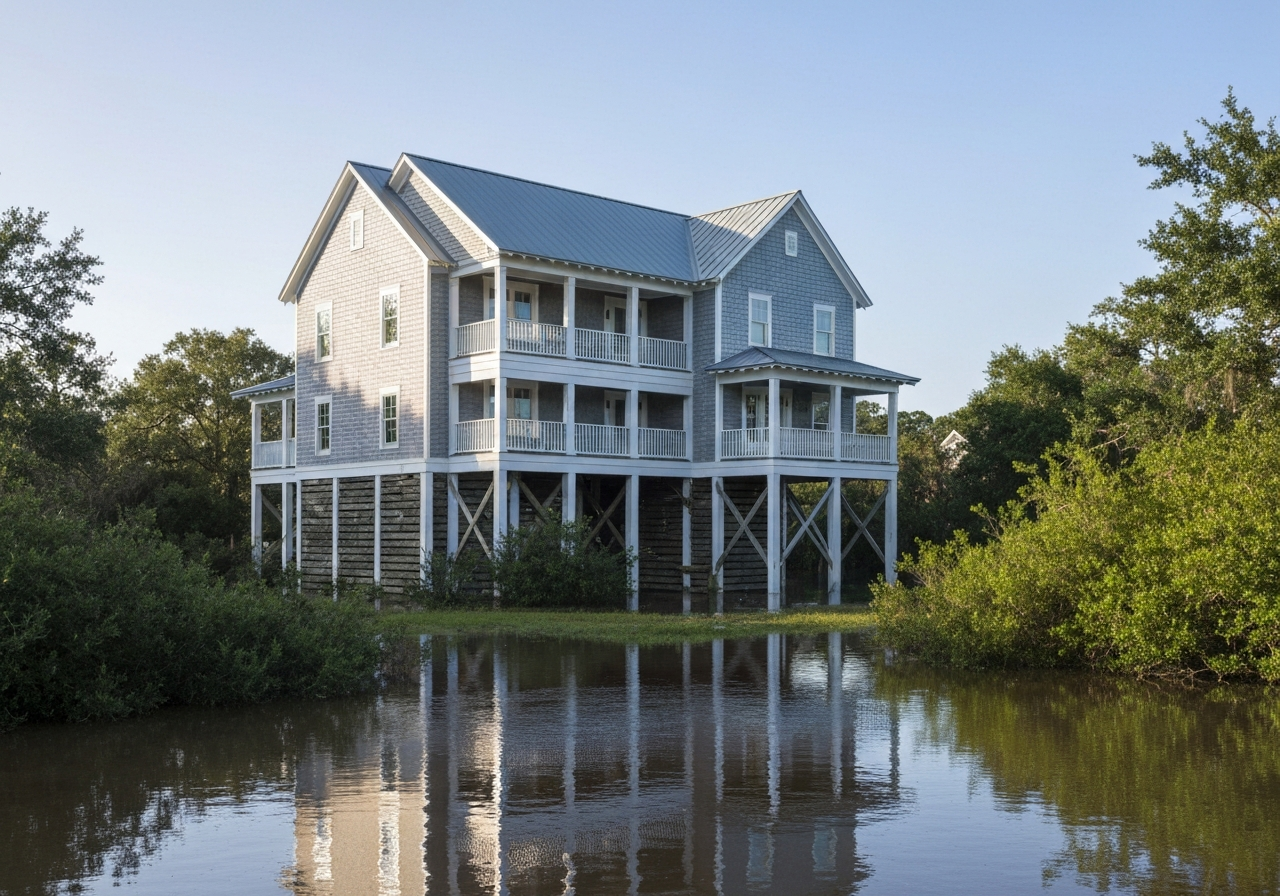
- Flooding: Damage from external floods (e.g., overflowing rivers, heavy rain) is generally not covered. Separate flood insurance, often through the National Flood Insurance Program (NFIP) or a private insurer, is required.
- Earthquakes and Earth Movement: Damages from earthquakes, landslides, mudslides, and sinkholes are typically excluded. Specialty policies or endorsements can be purchased for this coverage.
- Normal Wear and Tear & Neglect: Home insurance covers sudden, accidental damage, not issues arising from a lack of maintenance or gradual deterioration. This includes problems like slow leaks, mold (unless caused by a covered peril), and pest infestations.
- Sewer or Drain Backup: This is often excluded but can be added via an endorsement.
- War, Nuclear Hazard, and Government Action: These catastrophic events are almost universally excluded from standard policies due to their widespread and unpredictable nature.
- Intentional Loss: Deliberately damaging your property to file a claim is considered insurance fraud and will not be covered.
- High-Value Items: While personal property is covered, expensive items like jewelry or fine art may have specific sub-limits. A scheduled personal property endorsement can increase these limits.
- Certain Dog Breeds: Some insurers may exclude coverage for damages or injuries caused by dog breeds deemed aggressive.
It is vital to review your policy’s declarations page or speak with an agent to understand your specific exclusions and how to close potential coverage gaps with endorsements.
Factors Influencing Your Homeowners Insurance Premiums
Several factors determine your homeowners insurance premium, reflecting the perceived risk to the insurer:
- Location: Your state, city, and even specific ZIP code significantly impact rates due to varying risks like natural disasters (e.g., hurricanes, tornadoes, wildfires) and local crime rates. For instance, coastal areas often have higher premiums due to hurricane risk.
- Home Characteristics:
- **Age and Condition:** Older homes often incur higher premiums due to aging systems (plumbing, electrical, HVAC) and the potential need to meet new building codes during repairs.
- Construction Materials: The type of roof, exterior wall construction (frame, masonry), and other building materials influence rebuilding costs and, thus, premiums.
- Size and Features: Larger homes and those with special features (e.g., fireplaces, custom finishes) generally cost more to insure due to higher rebuilding expenses.
- Claims History: Both your personal claims history and the property’s claims history (visible on a CLUE report) can impact your rates for up to seven years. Frequent claims or severe past losses suggest higher future risk.
- Credit Score: In most states, insurers use a credit-based insurance score to predict claim likelihood. A higher score typically correlates with lower premiums.
- Deductible Amount: Choosing a higher deductible (the amount you pay out-of-pocket before coverage kicks in) generally results in a lower premium.
- Protective Devices: Installing safety and security features like smoke detectors, burglar alarms, deadbolt locks, or sprinkler systems can lead to discounts.
- Proximity to Fire Department/Hydrant: Homes closer to emergency services often have lower premiums.
- Attractive Nuisances: Features like swimming pools or trampolines can increase liability risk and, consequently, your premiums.
Understanding these factors influencing home insurance rates allows you to identify areas where you might save on costs.
Expert Tips to Reduce Your Home Insurance Costs
Managing the cost of your homeowners insurance doesn’t mean sacrificing essential coverage. Here are expert tips to help lower your premiums:
- Shop Around: Rates for identical coverage can vary significantly between providers. Compare quotes from several insurance companies regularly (every year or two) to ensure you’re getting the most competitive rate.
- Increase Your Deductible: Opting for a higher deductible can significantly reduce your premium. Just ensure you have sufficient emergency savings to cover the higher out-of-pocket expense if you need to file a claim.
- Bundle Policies: Many insurers offer discounts (often 5% to 15%) if you purchase multiple policies, such as home and auto insurance, from the same company.
- Improve Home Security: Install safety features like smoke detectors, burglar alarms, deadbolt locks, or a sophisticated sprinkler system. Some insurers offer discounts of 5% to 20% for these improvements, especially for monitored systems.
- Make Your Home Disaster Resistant: Retrofitting your home to withstand common local disasters (e.g., storm shutters for wind, impact-resistant roofing, earthquake retrofits) can qualify you for discounts in many states.
- Maintain a Good Credit Record: A higher credit-based insurance score often leads to lower premiums, as insurers associate it with a lower likelihood of filing claims. Pay bills on time and manage your debt to improve your score.
- Ask About Other Discounts: Inquire about lesser-known discounts for non-smokers, retirees (who spend more time at home), new home purchases, paperless billing, or automatic payments.
- Review Coverage Annually: Regularly assess your policy limits and the value of your possessions. Adjust coverage as needed – increase it for major renovations or new valuable purchases, or reduce it if certain items no longer require extra protection.
- Avoid Small Claims: Consider paying for minor damages out-of-pocket, as filing frequent small claims can increase your premiums and negatively impact your claims history.
These strategies can help you secure the necessary homeowners insurance coverage while managing costs effectively.
Choosing the Right Homeowners Insurance Provider for Your Needs
Selecting the ideal homeowners insurance provider involves more than just finding the lowest premium. It requires a strategic approach to ensure comprehensive protection and satisfactory service. Beach Insurance LLC, for example, prioritizes tailoring solutions to individual needs, focusing on protecting your personal assets, whether that’s your primary home, a secondary residence, or an investment property. Here’s how to approach this crucial decision:
- Compare Quotes Thoroughly: Don’t settle for the first quote you receive. Obtain quotes from multiple insurers. While price is a factor, analyze what each policy covers and if it truly meets your needs. Look beyond the initial cost to the value proposition each insurer offers.
- Assess Financial Stability: A reliable insurer should have strong financial backing to pay claims, especially after widespread disasters. Check ratings from independent agencies like A.M. Best or Standard & Poor’s.
- Evaluate Customer Service and Claims Handling: Research an insurer’s reputation for customer satisfaction and efficiency in processing claims. A seamless claims process is invaluable during a stressful time. Look for companies that prioritize clear communication and support.
- Understand Policy Options and Endorsements: A good provider will offer a range of policy types (HO-3, HO-5, etc.) and various endorsements to customize your coverage. Discuss options like inflation guard, guaranteed/extended replacement cost, and special property floaters to ensure all your unique risks are addressed.
- Regularly Review and Update Your Policy: Your insurance needs evolve. Annually review your policy limits, especially after home improvements, major purchases, or changes in local construction costs. Ensure your dwelling coverage aligns with rebuilding costs, not just market value.
By focusing on these aspects, you can choose a homeowners insurance provider that offers both competitive rates and reliable, comprehensive coverage, like the personalized options available through Beach Insurance LLC.
Securing Your Sanctuary: The Importance of Comprehensive Home Insurance
Your home is more than just a dwelling; it’s a significant investment and the center of your life. Comprehensive homeowners insurance acts as your financial fortress, protecting this sanctuary from unforeseen perils. Beyond the physical structure, it extends its shield to your personal belongings, offers crucial liability protection, and even covers additional living expenses should disaster strike. Navigating the intricacies of policy types, understanding what’s covered versus excluded, and knowing how various factors influence your premiums are all fundamental to securing adequate protection.
Making informed decisions about your coverage ensures that you are prepared for unexpected events, allowing you to rebuild, replace, and recover without devastating financial strain. Regular policy reviews and open communication with your insurance provider are key to maintaining coverage that accurately reflects your evolving needs and protects your peace of mind.
Secure your sanctuary with the right homeowners insurance. Contact Beach Insurance LLC today for personalized protection.