Introduction: Navigating Your Homeowners Insurance Journey
Protecting your most significant asset, your home, is paramount. Understanding your homeowners insurance policy is a crucial step in safeguarding your property and financial well-being. This guide from Beach Insurance LLC will demystify the complexities of home insurance, ensuring you’re well-informed and confident in your coverage.
What is a Homeowners Insurance Policy and Why Do You Need One?
A homeowners insurance policy is a contract between you and an insurance provider, offering financial protection against damages to your home and personal belongings from covered perils. It also includes liability protection for accidents occurring on your property. While not legally mandated by the federal government, mortgage lenders almost universally require a homeowners insurance policy as a condition of your loan to protect their investment. This vital coverage provides a financial safety net, preventing unexpected events like fires, storms, or theft from becoming life-altering losses. Without it, you would be solely responsible for potentially tens or hundreds of thousands of dollars in repairs or rebuilding costs. According to the Insurance Information Institute, these policies are typically “package policies,” encompassing various protections.
Core Coverages of Your Homeowners Policy Explained
A standard homeowners insurance policy bundles several critical types of protection into a single plan. Understanding each component is key to knowing what your policy truly covers:
- Dwelling Coverage: This protects the physical structure of your home, including the roof, walls, foundation, and attached structures like garages. It helps pay to repair or rebuild your home if damaged by a covered event.
- Other Structures Coverage: This extends protection to unattached structures on your property, such as sheds, detached garages, or fences.
- Personal Property Coverage: Your personal belongings, including furniture, clothing, electronics, and appliances, are covered under this section. If these items are damaged, destroyed, or stolen, your insurance can help you replace them.
- Loss of Use (Additional Living Expenses – ALE): If your home becomes uninhabitable due to a covered loss, this coverage helps pay for additional living expenses you incur while repairs are being made. This can include hotel bills, restaurant meals, and other necessary costs above your normal living expenses.
- Personal Liability Coverage: This protects you from lawsuits for bodily injury or property damage that you or members of your household (including pets) cause to others. It covers legal defense costs and any damages you are found legally responsible for.
The extent of these coverages and their limits can vary depending on your specific policy type, such as an HO-3 (special form) policy, which is the most common for single-family homes, as noted by Bankrate.
Understanding “Perils” and Key Exclusions in Your Policy
Homeowners insurance policies typically cover damage caused by “perils,” which are specific events or causes of loss listed in your policy. Common covered perils often include:
- Fire and lightning
- Windstorm and hail
- Explosions
- Theft and vandalism
- Falling objects
- Weight of ice, snow, or sleet
- Sudden and accidental tearing apart, cracking, burning, or bulging of a built-in appliance
- Accidental discharge or overflow of water or steam from plumbing, heating, air conditioning, or automatic fire protective sprinkler systems
However, it’s equally important to understand what a standard homeowners insurance policy generally does NOT cover. These exclusions often include:
- Flooding: Damage caused by external flooding (e.g., heavy rain, rising rivers, storm surge) is typically not covered and requires a separate flood insurance policy.
- Earthquakes: Damage from earthquakes and earth movement is usually excluded and requires a separate earthquake policy or endorsement.
- Maintenance Issues: Insurance is designed for sudden, unexpected damage, not gradual deterioration, wear and tear, or damage resulting from a lack of routine maintenance (e.g., mold from long-term moisture, an aging roof).
- Intentional Damage: Damage caused intentionally by you or a household member will not be covered.
- Pest Infestations: Damage caused by pests like termites or rodents is generally considered a maintenance issue.
Reviewing your policy carefully to understand its specific perils and exclusions is crucial for comprehensive home protection.
Special Considerations for Coastal Residents: Flood and Hurricane Deductibles
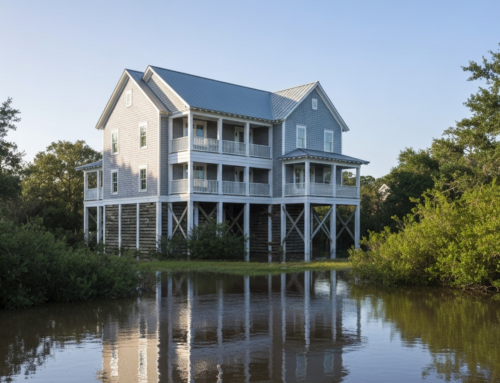
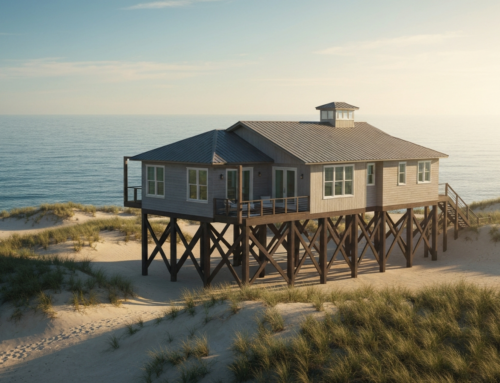
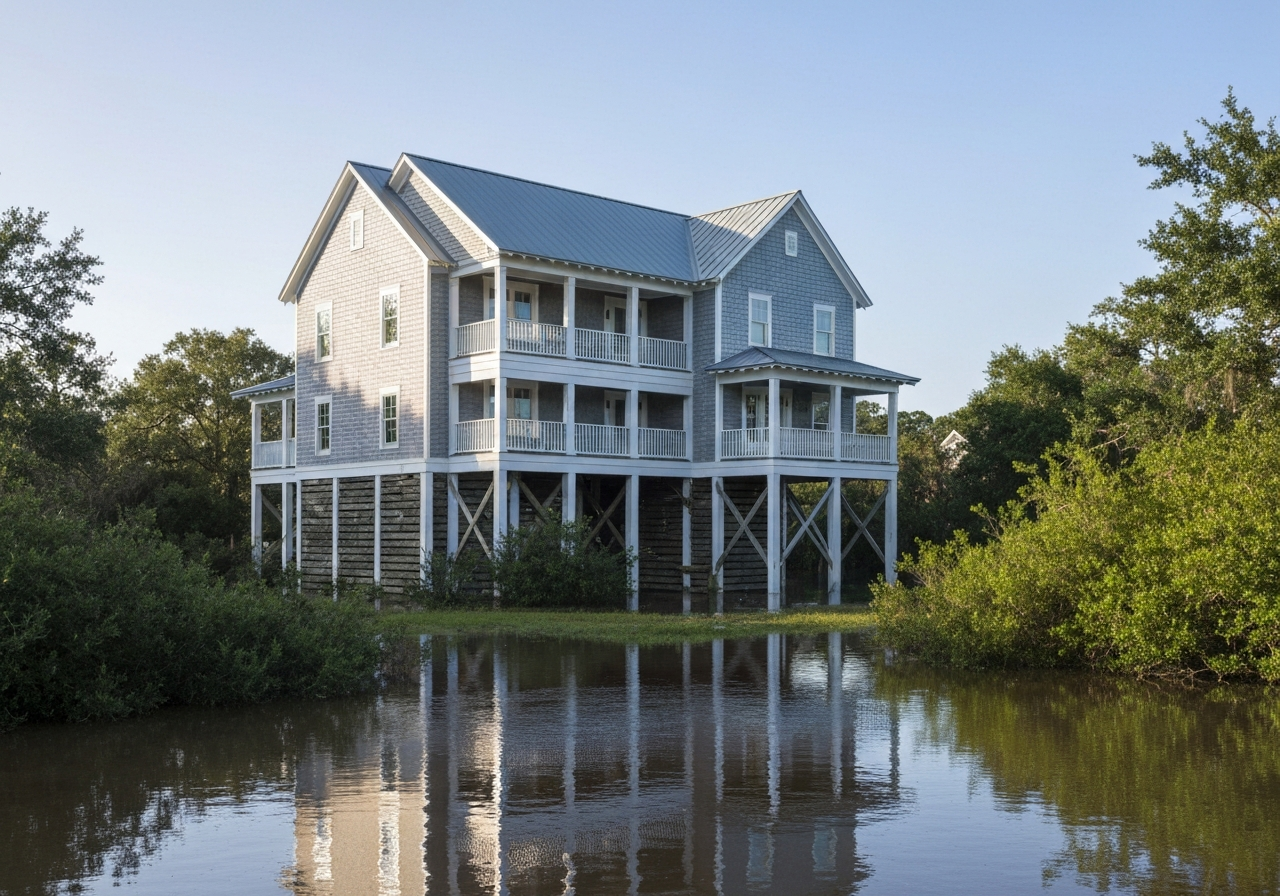
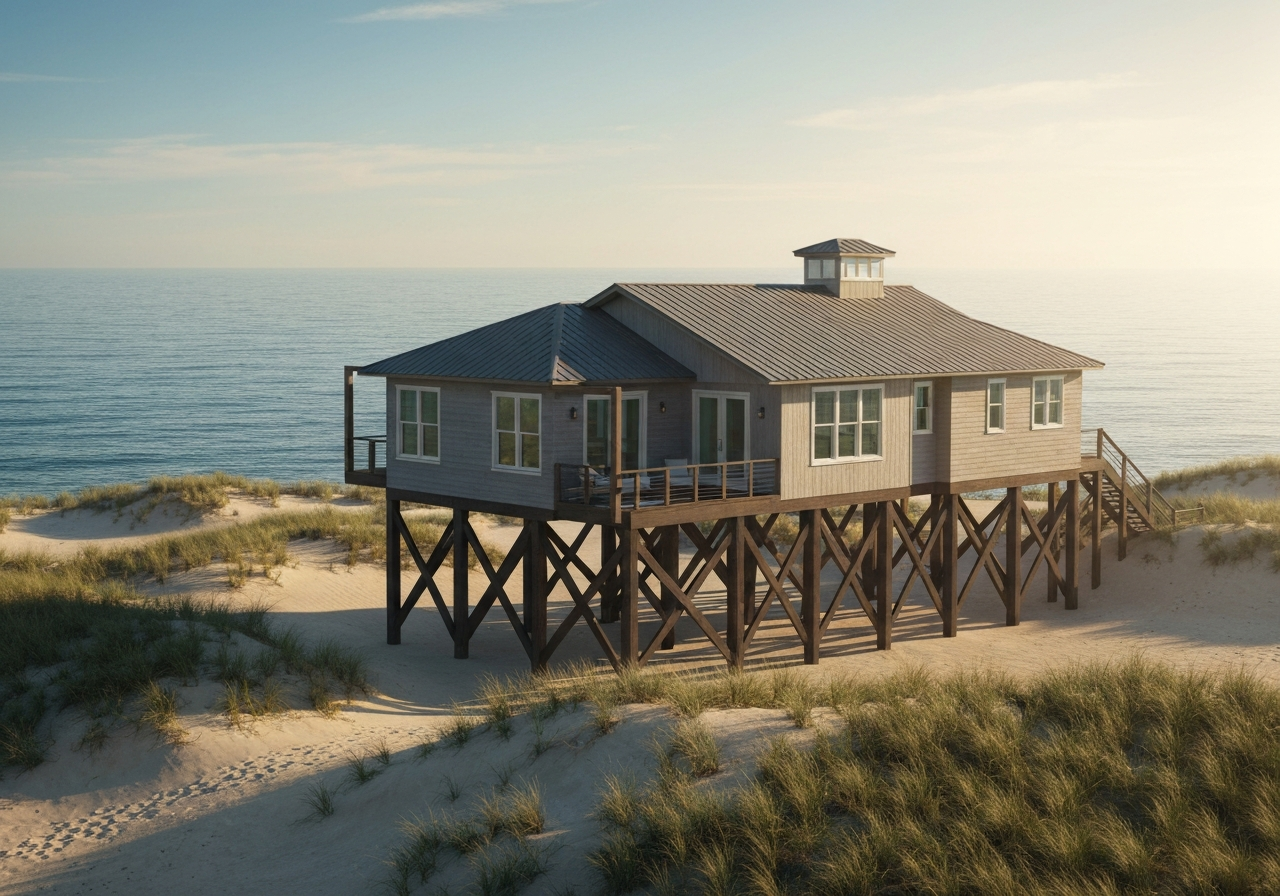
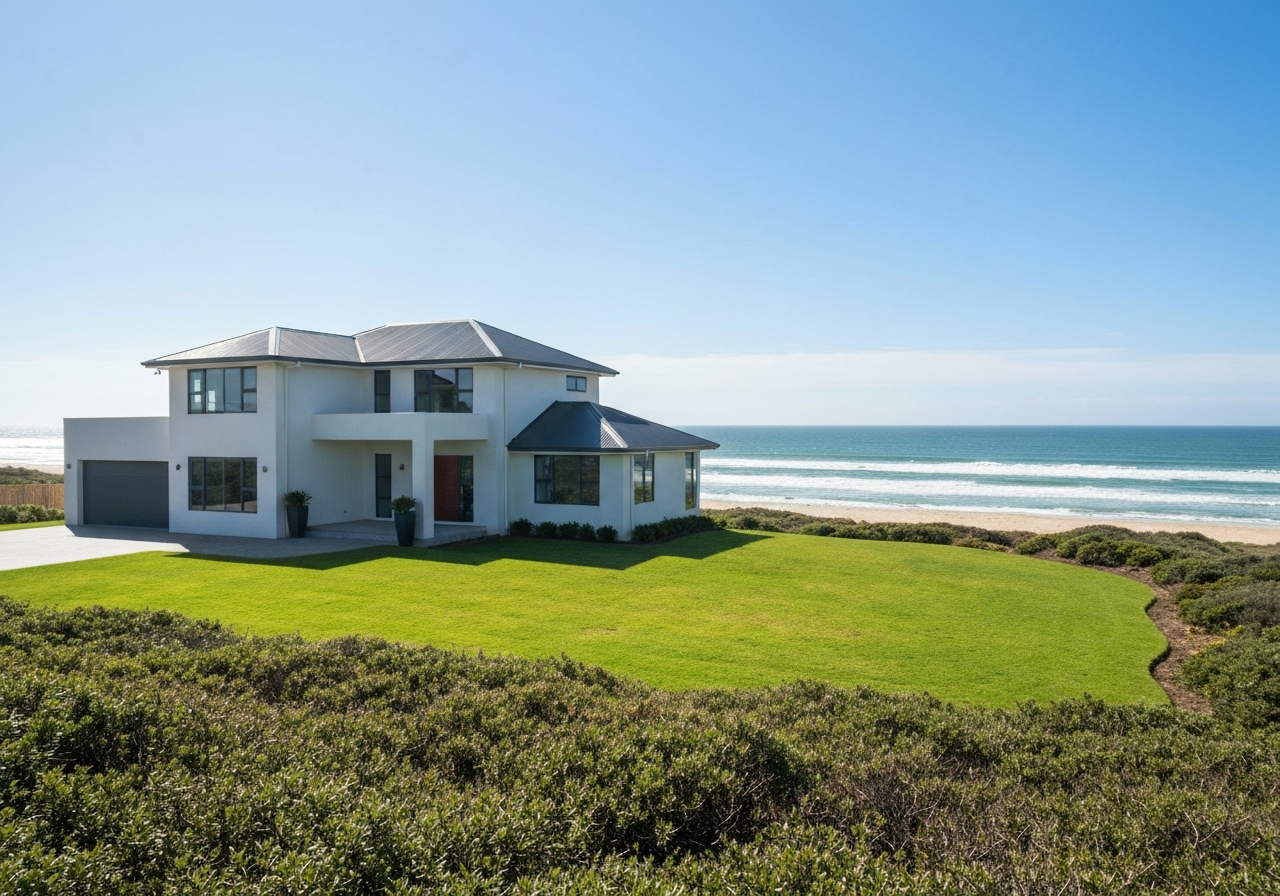
For homeowners in coastal regions, specific risks demand specialized insurance considerations. While standard homeowners policies exclude flood damage, separate flood insurance policies are available through the National Flood Insurance Program (NFIP) or private insurers. This is essential, as even a small amount of water can cause significant damage.
Another critical aspect for coastal residents is the hurricane deductible. Unlike standard deductibles, which are fixed dollar amounts, hurricane deductibles are almost always calculated as a percentage of your home’s insured value (dwelling coverage). These specialized deductibles emerged after catastrophic events like Hurricane Andrew in 1992 and Hurricane Katrina in 2005, allowing insurers to manage immense financial risk in vulnerable areas. Typically ranging from 1% to 5% (and sometimes up to 10% in high-risk zones), this deductible is triggered by an officially named hurricane and applies to all covered hurricane losses for that event. For example, a home insured for $400,000 with a 2% hurricane deductible would require an $8,000 out-of-pocket payment before the insurance coverage begins. Understanding these unique deductibles is vital for residents in hurricane-prone areas to prepare financially for potential storm damage.
Decoding Deductibles: How They Impact Your Payout
A deductible is the amount of money you agree to pay out-of-pocket on an approved claim before your insurance coverage kicks in. Think of it as your share of the loss. When you file a claim, this amount is subtracted from the total payout for covered damages. For example, if you have a $1,000 deductible and a covered loss results in $15,000 worth of damage, your insurer would pay $14,000, and you would be responsible for the initial $1,000.
Deductibles play a significant role in your premium costs. Generally, choosing a higher deductible means you’ll pay a lower annual premium, as you’re taking on more financial risk. Conversely, a lower deductible leads to higher premiums. It’s important to select a deductible amount that you can comfortably afford in an emergency without undue financial strain.
Actual Cash Value vs. Replacement Cost: What’s the Difference?
When it comes to insuring your home and possessions, two primary valuation methods determine your payout after a covered loss: Actual Cash Value (ACV) and Replacement Cost Value (RCV). The choice between these significantly impacts the financial recovery you receive.
- Actual Cash Value (ACV): An ACV policy pays the cost to replace your damaged property minus depreciation. Depreciation accounts for wear and tear, age, and obsolescence. For instance, if a 10-year-old roof with an expected 20-year lifespan is destroyed, an ACV policy would pay only half its original value, factoring in its used condition. ACV policies are generally less expensive in terms of premiums because the insurer pays out less for a claim.
- Replacement Cost Value (RCV): An RCV policy, on the other hand, covers the amount it would take to repair or rebuild your home or replace damaged items with new ones of similar kind and quality, based on current market prices, without deduction for depreciation. This means if that 10-year-old roof is destroyed, an RCV policy would pay for a brand-new roof at today’s construction costs. RCV policies offer more comprehensive protection, ensuring you can restore your property to its original condition without absorbing depreciation costs, making them the more recommended option, as highlighted by ValuePenguin.
Some policies also offer Guaranteed or Extended Replacement Cost coverage, which provides an additional buffer (e.g., 20-25% above the dwelling limit) to account for unexpected increases in construction costs after a widespread disaster. This is particularly valuable in areas prone to natural disasters where demand for materials and labor can surge, driving up prices. Beach Insurance LLC advises considering this enhanced coverage, especially for older homes or those in high-risk zones, to ensure adequate rebuilding funds.
Factors That Influence Your Homeowners Insurance Premiums
The cost of your homeowners insurance policy is influenced by a multitude of factors, unique to your property and location:
- Location: Your state and even your specific ZIP code play a significant role. Areas prone to natural disasters (hurricanes, wildfires, tornadoes) or with higher crime rates typically have higher premiums.
- Age and Construction of Your Home: Newer homes often qualify for lower rates due to updated building codes, better materials, and modern systems (plumbing, electrical). Older homes, especially those with unique or historic features, can be more expensive to insure if they require specialized repairs. The type of construction materials (frame vs. masonry) also impacts cost.
- Rebuilding Cost: The estimated cost to rebuild your home from the ground up, not its market value, directly influences your dwelling coverage limit and thus your premium.
- Claims History: A history of past claims, even minor ones, can lead to higher premiums. Insurers view frequent claims as an indicator of higher future risk.
- Deductible Amount: As discussed, a higher deductible generally results in a lower premium, and vice versa.
- Credit History: In many states, your credit-based insurance score can impact your premium, as studies suggest a correlation between credit history and the likelihood of filing claims.
- Security Features: Homes equipped with security systems, smoke detectors, fire extinguishers, and other protective measures often qualify for discounts.
- Pets: Certain dog breeds considered high-risk can increase liability portions of your premium.
Understanding these variables helps homeowners make informed decisions to manage their insurance costs, as detailed by HowMuch.net.
Smart Strategies to Save on Your Homeowners Insurance
While homeowners insurance is a necessary expense, several strategies can help you reduce your premiums without compromising essential coverage:
- Increase Your Deductible: Opting for a higher deductible can significantly lower your annual premium. Just ensure you have enough saved to cover the deductible should you need to file a claim.
- Bundle Policies: Many insurance providers offer discounts if you purchase multiple policies, such as combining your homeowners and auto insurance with the same company. Beach Insurance LLC offers a range of personal insurance options that can often be bundled for savings.
- Improve Home Security: Install a professionally monitored alarm system, smoke detectors, deadbolt locks, and even consider smart home technology. These improvements can lead to discounts from your insurer.
- Make Your Home More Resistant to Disasters: In areas prone to specific natural disasters, fortifying your home (e.g., storm shutters, reinforced roof, upgraded wiring) can qualify you for mitigation credits or discounts.
- Maintain a Good Credit Score: As credit history can influence premiums in many states, maintaining a healthy credit score can lead to lower insurance costs.
- Shop Around Regularly: Don’t settle for the first quote. Get quotes from multiple insurance providers every few years to ensure you’re getting the best rates for the coverage you need.
- Review Your Policy Annually: Your insurance needs change over time. An annual review ensures your policy still aligns with your current situation and allows you to identify potential savings.
- Ask About Discounts: Always inquire about available discounts. Insurers offer various savings opportunities, such as discounts for being claim-free, senior discounts, or discounts for new home construction.
Maintaining and Reviewing Your Homeowners Insurance Policy Annually
A homeowners insurance policy is not a “set it and forget it” item. Your home’s value, your personal belongings, and even local construction costs can change significantly over time. It’s crucial to conduct an annual review of your policy to ensure your coverage remains adequate and accurately reflects your current situation.
During this annual review, consider the following:
- Home Improvements: Have you completed any major renovations, added a room, or upgraded expensive features like a kitchen or bathroom? These improvements increase your home’s value and rebuilding cost, requiring an adjustment to your dwelling coverage.
- Major Purchases: Have you acquired new valuable items like jewelry, art, or high-end electronics? Your standard personal property coverage limits might not be sufficient, and you may need to add specific floaters or endorsements.
- Inflation Guard: Confirm if your policy includes an “inflation guard” clause, which automatically adjusts your dwelling limit at renewal to reflect current construction costs in your area. This is a simple way to help prevent underinsurance.
- Building Code Changes: Building codes are updated periodically. If your home were badly damaged, you might be required to rebuild to new codes, which can add significant costs. Discuss “Ordinance or Law” endorsements with your agent.
- Market Value vs. Rebuilding Cost: Remember that your insurance should cover the cost to rebuild your home, not its market value. These figures can differ significantly.
Regular communication with your insurance agent is key to keeping your policy up-to-date and ensuring continuous, comprehensive protection for your home.
Partnering with Beach Insurance LLC for Your Home Protection Needs
Navigating the intricacies of a homeowners insurance policy can be challenging, but you don’t have to do it alone. At Beach Insurance LLC, we are dedicated to providing personalized service and expert guidance to homeowners across North Carolina and South Carolina. Our experienced team works to understand your unique needs, compare coverage options from multiple carriers, and design comprehensive insurance solutions that truly fit your life.
We believe in building trusted relationships and offering a consultative approach. We’re committed to educating our clients about their policies, ensuring they feel protected, prepared, and empowered. From understanding local construction costs and hurricane deductibles to choosing between actual cash value and replacement cost, we’re here to help you make confident decisions about your home’s protection. For over 40 years, Beach Insurance LLC has been a reliable partner in safeguarding what matters most. We’re proud to be your neighbors and your advocates in securing your most valuable asset.
Conclusion: Secure Your Home with Confidence
A comprehensive homeowners insurance policy is an essential investment for every homeowner, providing peace of mind and financial security against unforeseen events. By understanding the core coverages, recognizing key exclusions, and actively reviewing your policy, you can ensure your home and assets are adequately protected. Partnering with a knowledgeable and trustworthy independent insurance broker, like Beach Insurance LLC, further strengthens your defense, offering expert advice tailored to your specific needs. With the right coverage in place, you can confidently enjoy your home, knowing you are prepared for whatever the future may hold.
Ready to secure your home with confidence? Visit our Contact Us page to get personalized advice and comprehensive homeowners insurance solutions from Beach Insurance LLC.