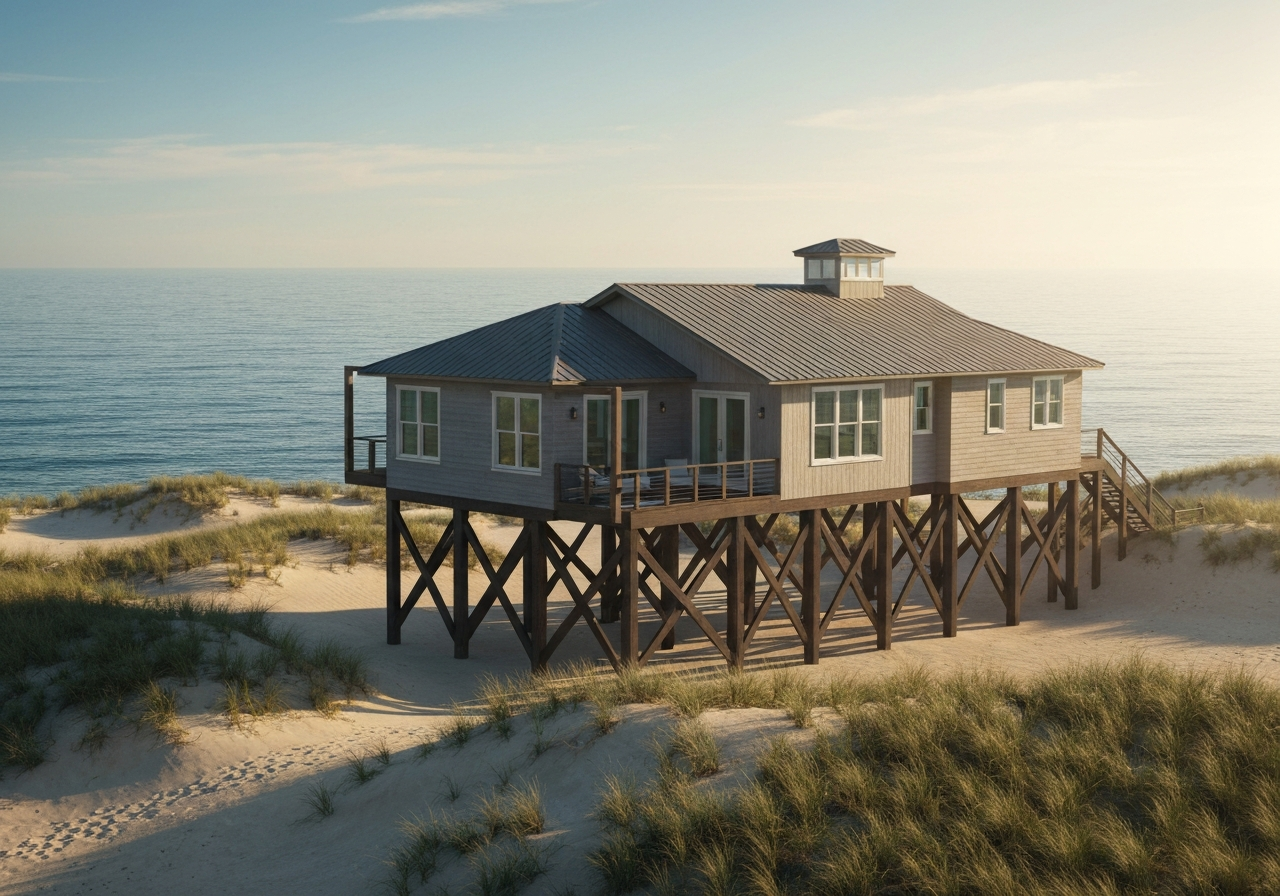
The Unique Risks of Coastal Homeownership
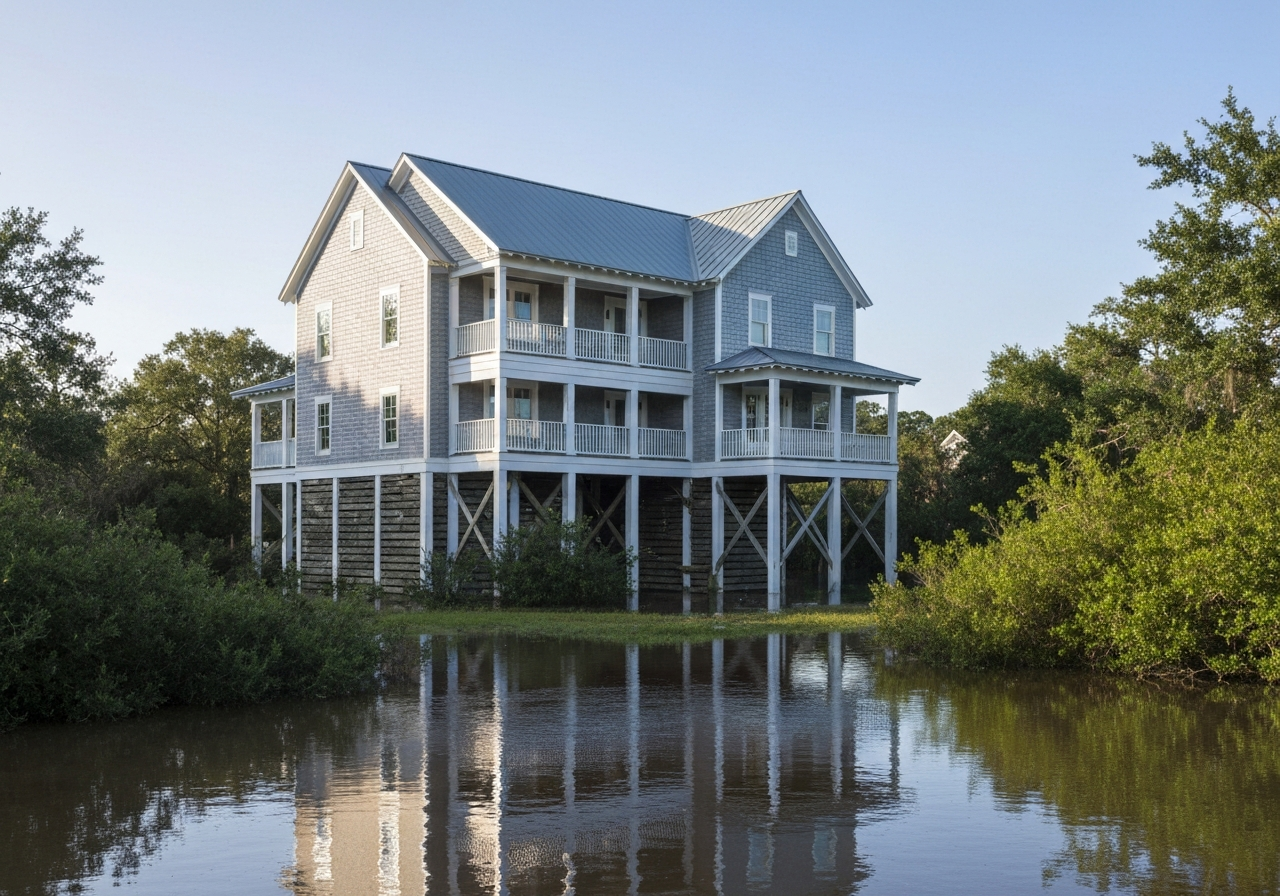
Living along the coast offers unparalleled beauty and lifestyle, but it also comes with unique and significant risks to your home. Coastal properties are highly susceptible to severe weather events, primarily hurricanes, tropical storms, and their associated perils: high winds and extensive flooding. Standard homeowners insurance policies often fall short in these areas, making a specialized approach to understanding coastal homeowners flood and wind insurance absolutely critical. Homeowners in these regions must be acutely aware of how wind and water damage are handled differently by insurers, as these are the primary threats.
Understanding the Coastal Threat Landscape
Coastal areas face increased exposure to:
- Hurricanes and Tropical Storms: These powerful weather systems bring destructive winds, torrential rainfall, and storm surges.
- Flooding: This can result from storm surge, heavy rainfall, flash floods, river overflows, or coastal erosion. Crucially, flood damage is almost universally excluded from standard homeowners policies.
- Wind and Hail Damage: While standard policies typically cover some wind damage, properties in hurricane-prone zones often require separate windstorm or named storm coverage, or may have higher, percentage-based deductibles for these perils.
Your Essential Guide to Understanding Coastal Homeowners Flood and Wind Insurance
Navigating the complexities of insurance for a coastal home can be daunting, but it’s an essential step in protecting your investment. For many, a coastal home represents a dream, yet the financial reality after a severe storm can quickly turn that dream into a nightmare without proper coverage. This guide is designed to help you, as a coastal homeowner, gain a comprehensive understanding of coastal homeowners flood and wind insurance, ensuring you are well-prepared for any eventuality. It’s not just about having insurance; it’s about having the *right* insurance.
Why Specialized Coverage is Necessary
Standard homeowners insurance is generally designed for broad risks but has significant exclusions for coastal perils. The higher frequency and intensity of storms mean insurers view coastal properties as higher risk, leading to specialized policies, endorsements, or entirely separate plans to cover wind and flood damage.
Decoding Flood Insurance: What Coastal Homeowners Need to Know
Flood damage is one of the most significant and misunderstood risks for coastal homeowners. It is almost always excluded from standard homeowners insurance policies. To protect your property and belongings from rising waters, you need a separate flood insurance policy.
The National Flood Insurance Program (NFIP)
Most flood insurance policies in the U.S. are underwritten through FEMA’s National Flood Insurance Program. This program provides coverage for direct physical losses caused by flooding. It’s vital to understand that a flood, for insurance purposes, is defined as an excess of water on land that is normally dry, affecting two or more acres or two or more properties.
Key Aspects of NFIP Coverage:
- Building Coverage: Covers the structure of your home, including the foundation, electrical and plumbing systems, furnaces, water heaters, and built-in appliances.
- Contents Coverage: Protects your personal belongings, such as clothing, furniture, and electronic equipment. This coverage is usually optional and offered on an Actual Cash Value basis.
- Waiting Period: A critical detail often overlooked is the mandatory 30-day waiting period before an NFIP flood insurance policy goes into effect. Do not wait until a storm is imminent to purchase this vital coverage.
Private Flood Insurance Options
While the NFIP is the primary source, private insurers also offer standalone flood insurance policies. These can sometimes provide higher coverage limits or different terms than NFIP policies, offering an alternative for homeowners with specific needs or higher-value properties. Comparing options from both NFIP and private markets is advisable.
Navigating Windstorm and Hurricane Coverage for Your Coastal Home
Wind damage, especially from hurricanes and named storms, presents another major financial threat to coastal properties. While standard homeowners insurance typically covers wind and hail damage, many insurers in high-risk coastal states exclude or limit this coverage.
Understanding Wind-Related Deductibles
In 19 states and Washington, D.C., insurers are permitted to charge separate deductibles for hurricane or windstorm losses. These are usually percentage-based, calculated as a percentage of your home’s insured value, rather than a fixed dollar amount. This percentage can range from 1% to 10%, significantly impacting your out-of-pocket costs. For example, a 2% hurricane deductible on a $400,000 home means you’re responsible for the first $8,000 in damages. Beach Insurance LLC provides a guide to understanding your hurricane deductible and its implications.
Types of Wind Deductibles:
- Windstorm or Wind/Hail Deductible: Applies to any damage caused by wind or hail, regardless of whether it’s from a named storm.
- Named Storm Deductible: Triggered when a storm is officially named by the National Weather Service (NWS) or National Hurricane Center (NHC), including tropical storms and hurricanes.
- Hurricane Deductible: Specifically applies when a storm is officially declared a hurricane by the NWS or NHC, often with sustained winds of 74 mph or greater.
It is crucial to understand the specific trigger events outlined in your policy, as they dictate when these specialized deductibles come into play. Many policies also impose a moratorium on issuing new wind policies 24 to 48 hours before a major storm, emphasizing the need for proactive preparation.
Key Differences: Flood vs. Wind Damage Coverage
Distinguishing between flood and wind damage is perhaps the most critical aspect of understanding coastal homeowners flood and wind insurance. Even during a single hurricane, damages from wind and water are treated as separate events by insurance companies, often requiring separate policies to cover them adequately. This distinction becomes paramount when filing a claim.
Defining the Damage:
- Wind Damage: Typically covers damage directly caused by high winds, tornadoes, flying debris, and fallen trees. This includes torn shingles, damaged roofs, broken windows, and structural issues. If rain enters your home *because* wind first damaged the roof or a wall, it’s generally considered wind-related. Most homeowners insurance policies cover wind damage, though separate windstorm policies or higher hurricane deductibles may apply in coastal zones.
- Flood Damage: This is damage caused by rising water from *outside* the home. This can be from overflowing bodies of water (rivers, lakes, oceans), storm surge, heavy rainfall leading to surface water accumulation, or flash flooding. Damage from water that enters through the ground, even if driven by hurricane conditions, is classified as flood damage. Standard homeowners insurance policies explicitly exclude flood damage, requiring a separate flood insurance policy (e.g., through NFIP or a private insurer).
The Impact on Claims
The distinction matters immensely because different policies cover different perils. When both wind and flood damage occur, insurance companies may assign separate adjusters, and disputes can arise over which peril caused what damage. For instance, if a hurricane causes a storm surge that damages your home, that’s flood damage and requires flood insurance. If the wind rips off your roof and then rain enters, that’s wind damage, typically covered by homeowners or a separate wind policy. Clear documentation with photos and videos immediately after a storm is vital to support your claim.
Factors Affecting Your Coastal Home Insurance Premiums
Several factors contribute to the cost of your coastal homeowners flood and wind insurance premiums. Given the elevated risks in these regions, premiums are generally higher than for inland properties.
Key Influencing Factors:
- Location and Proximity to the Coast: The closer your home is to the coastline, the higher your premiums will be due to increased exposure to storm surge and high winds. Living in a designated flood zone will also significantly impact costs and likely mandate flood insurance.
- Home Characteristics:
- Age and Construction: Older homes, especially those not built to current building codes or without modern mitigation features, often face higher premiums.
- Building Materials: The type of roof, siding, and foundation materials can influence risk and, thus, cost.
- Mitigation Features: Homes with wind-resistant features (e.g., hurricane shutters, reinforced roofs, impact-resistant windows) or floodproofing measures (e.g., elevated foundations) may qualify for discounts. Some states mandate insurers offer discounts for homes built to FORTIFIED standards.
- Claims History: A history of claims, both yours and potentially the general area’s, can drive up insurance costs.
- Deductibles: Opting for higher deductibles, especially for windstorm or hurricane deductibles, can lower your premium, but increases your out-of-pocket responsibility if a claim occurs.
- Coverage Limits: The amount of coverage you choose for your dwelling, personal property, and liability will directly affect your premium. Ensuring adequate coverage is essential, especially given rising construction costs in disaster-prone areas.
Understanding these factors helps homeowners make informed decisions to balance coverage needs with affordability.
Protecting Your Investment: Tips for Coastal Homeowners
Beyond securing the right insurance, proactive measures can significantly reduce your risk and potentially lower your premiums. Protecting your coastal home is a multi-faceted endeavor that combines smart insurance choices with physical preparedness.
Enhance Your Home’s Resilience:
- Install Hurricane Shutters or Impact-Resistant Windows: These protect openings from high winds and flying debris.
- Reinforce Your Roof: Strengthening roof-to-wall connections and ensuring proper roof covering can prevent significant wind damage. Homes built or retrofitted to FORTIFIED standards often see reduced insurance costs.
- Elevate Utilities and Appliances: In flood-prone areas, raising electrical panels, water heaters, and HVAC systems can protect them from water damage.
- Clear Your Property: Before hurricane season, trim trees and secure loose outdoor items that could become projectiles in high winds.
Proactive Planning and Documentation:
- Develop a Disaster Plan: Create an evacuation plan, assemble a disaster supply kit, and establish a communication strategy for your family. The National Oceanic and Atmospheric Administration (NOAA) provides excellent resources for hurricane preparedness.
- Conduct a Home Inventory: Document your possessions with photos and videos. This invaluable record will expedite your claims process if damage occurs.
- Regular Insurance Check-ups: Annually review your policy with your agent to ensure your coverage limits reflect current rebuilding costs and your personal property value.
Securing Your Policy: How to Find the Right Coverage
Finding comprehensive and affordable coastal home insurance requires diligence and expert guidance. With the unique risks involved, a generic approach simply won’t suffice.
Partner with an Experienced Agent:
The insurance landscape for coastal properties is complex, with varying state regulations, carrier availability, and deductible structures. Working with an experienced insurance agent, especially one specializing in coastal areas, is invaluable. They can help you:
- Identify your specific risks and tailor a policy that addresses them.
- Navigate the differences between standard homeowners, flood, and windstorm policies.
- Compare quotes from multiple specialized carriers or guide you through state-run programs like FAIR Plans or Beach and Windstorm Plans if private insurance is limited.
Key Considerations When Comparing Policies:
- Coverage Limits: Ensure dwelling coverage is sufficient to rebuild your home entirely, accounting for increased post-disaster construction costs. Assess personal property coverage (replacement cost vs. actual cash value) and consider endorsements for high-value items.
- Deductibles: Understand all applicable deductibles (standard, windstorm, named storm, hurricane) and their triggers. Be prepared for potentially higher out-of-pocket expenses.
- Exclusions: Carefully review what your policy *does not* cover. For example, standard homeowners policies will not cover flood damage, and some may exclude wind damage.
- Additional Coverages: Discuss options like additional living expenses (ALE) coverage, which pays for temporary housing if your home becomes uninhabitable, and water backup and sump pump overflow coverage. Beach Insurance LLC offers comprehensive homeowners insurance solutions tailored to your needs.
Don’t Get Caught Unprepared: Your Coastal Home Insurance Action Plan
Proactive planning is the cornerstone of protecting your coastal home. Being prepared means understanding your risks, securing the right insurance, and taking preventative measures. Don’t wait until a storm is on the horizon; insurance moratoriums typically go into effect 24-48 hours before a named storm, preventing you from making crucial changes or purchasing new policies when you need them most.
Your Immediate Steps:
- Assess Your Current Coverage: Review your existing homeowners policy immediately. Confirm what’s covered regarding wind and hail, and critically, what is *not* covered for flood damage.
- Secure Flood Insurance: If you don’t have it, purchase a separate flood insurance policy without delay. Remember the 30-day waiting period.
- Evaluate Wind/Hurricane Coverage: Understand your windstorm or hurricane deductibles. If wind damage is excluded from your standard policy, explore separate wind-only coverage or endorsements.
- Implement Mitigation Measures: Invest in home improvements that increase resilience to wind and flood damage. This not only protects your home but may also lead to insurance discounts.
- Document Everything: Create a detailed home inventory and store it securely off-site or digitally. Take photos and videos of your property regularly.
- Consult an Expert: Work with a knowledgeable insurance agent who specializes in coastal properties. They can guide you through the complexities and ensure your coverage is comprehensive and appropriate for your specific situation.
Taking these steps empowers you with the peace of mind that comes from being adequately protected.
Protect your coastal home with the right insurance. Contact Beach Insurance LLC today to secure comprehensive coverage.