
Introduction: Navigating Your Future with Beach Insurance LLC
Understanding your insurance needs is a cornerstone of responsible financial planning. In a world full of uncertainties, having the right protection in place provides invaluable peace of mind. This guide will clarify various insurance coverage types explained, focusing on essential policies for your home, automobile, and life. At Beach Insurance LLC, we are dedicated to helping you navigate these critical decisions, ensuring you and your loved ones are adequately secured against life’s unexpected turns.
What is Insurance Coverage and Why is it Essential?
Insurance coverage represents the financial protection an individual or entity receives against potential losses or liabilities through an insurance policy. It’s a fundamental tool for managing financial risks. When you secure insurance, you are essentially purchasing protection from unexpected financial burdens that could arise from incidents such as car accidents, property damage, or the loss of a primary income earner. In exchange for this protection, you pay a premium to the insurance company.
The core components of any insurance policy include:
- Premium: The regular payment you make to the insurer for coverage.
- Policy Limit: The maximum amount the insurer will pay for a covered loss.
- Deductible: The amount you pay out-of-pocket before your insurance coverage begins.
This system makes otherwise overwhelming costs manageable by pooling risks among many policyholders, making payments more affordable for individuals. Insurance, in essence, protects your assets, provides financial security for your family, and offers critical peace of mind.
Insurance Coverage Types Explained: Understanding Home, Auto, and Life Policies
Among the many types of insurance available, three stand out as foundational for personal and family financial security: home, auto, and life insurance. Each serves a distinct purpose, offering protection tailored to specific aspects of your life. Properly understanding these insurance coverage types explained empowers you to build a comprehensive safety net. Beach Insurance LLC specializes in these core areas, providing expert guidance to match you with the policies that best suit your unique situation.
Delving into Auto Insurance: Protection on the Road
Auto insurance is a mandatory requirement in almost every U.S. state, designed to protect you financially from the costs associated with car accidents and other vehicle-related incidents. A typical auto insurance policy combines several types of coverage, each addressing different aspects of potential loss:
- Bodily Injury (BI) Liability: Covers medical expenses, lost wages, and legal fees for others if you are at fault in an accident.
- Property Damage (PD) Liability: Pays for damage you cause to another person’s property, such as their vehicle or structures, in an accident.
- Collision Coverage: Reimburses you for damage to your own vehicle resulting from a collision with another car or object, regardless of fault.
- Comprehensive Coverage: Protects your vehicle from non-collision incidents like theft, vandalism, fire, natural disasters, or hitting an animal.
- Uninsured/Underinsured Motorist (UM/UIM) Coverage: Provides protection if you are involved in an accident with a driver who has no insurance or insufficient coverage to pay for your damages.
- Personal Injury Protection (PIP) or Medical Payments (MedPay): Covers medical expenses for you and your passengers after an accident, regardless of fault. PIP may also include lost wages and rehabilitation costs.
Your auto insurance premiums are influenced by various factors, including your driving record, the type of vehicle you drive, your age, location, and even your creditworthiness. For example, youthful operators typically face higher rates due to their inexperience. Understanding minimum required car insurance by state and how to save big on car insurance are key to smart policy management.
Comprehensive Home Insurance: Safeguarding Your Sanctuary
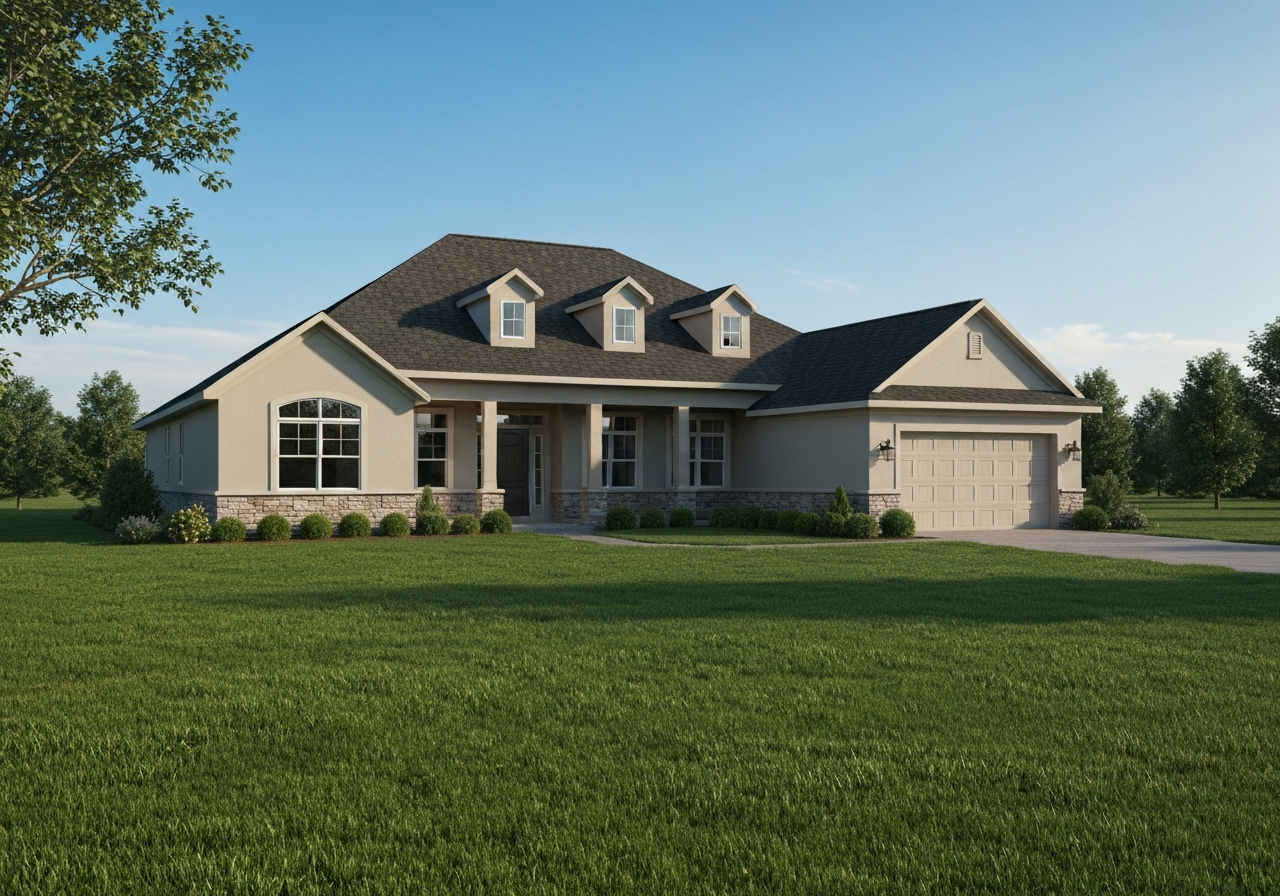
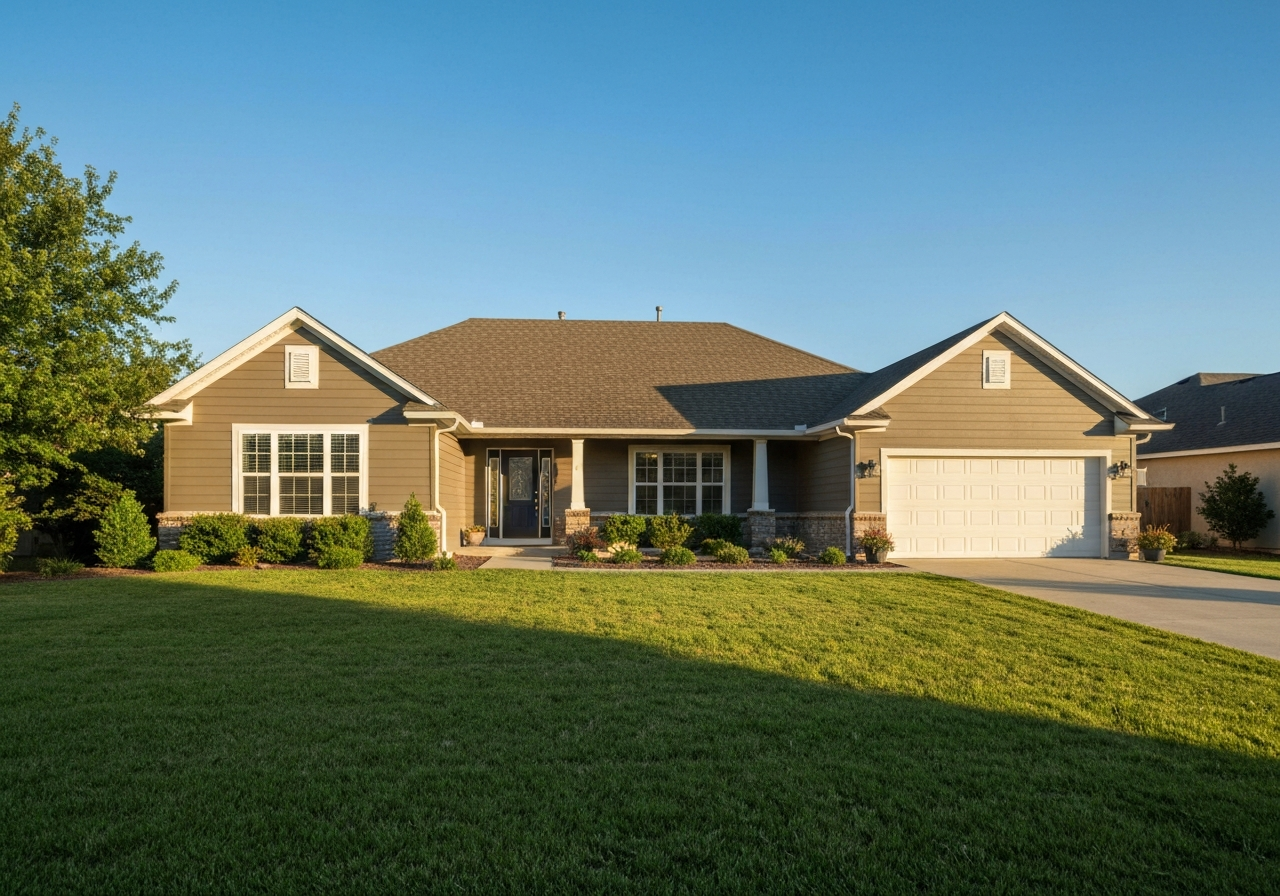
For most Americans, a home is their most valuable asset, making homeowners insurance an indispensable form of protection. This coverage shields you from financial losses due to damage to your property and belongings, and liability for injuries or damage you might cause to others. Standard homeowners policies typically include:
- Dwelling Coverage: Protects the physical structure of your home, including walls, roof, and built-in appliances, against covered perils like fire, wind, hail, and vandalism.
- Other Structures Coverage: Extends protection to detached structures on your property, such as garages, sheds, or fences.
- Personal Property Coverage: Covers your belongings—furniture, electronics, clothing—whether they are inside your home or elsewhere, against theft or damage from covered events. Policies often differentiate between replacement cost and actual cash value for your possessions.
- Loss of Use (Additional Living Expenses): Covers temporary living expenses, like hotel stays and meals, if your home becomes uninhabitable due to a covered loss.
- Personal Liability Coverage: Provides financial protection if you are found responsible for accidentally injuring someone or damaging their property, covering legal defense costs and any settlements or judgments.
It’s important to note that standard homeowners insurance policies typically do not cover damage from floods or earthquakes, which require separate policies. For homeowners in coastal regions, understanding your hurricane deductible is also crucial, as these are often calculated as a percentage of your dwelling coverage and can result in significant out-of-pocket expenses after a storm. Owners of investment properties should also be aware that their insurance needs differ from owner-occupied homes.
Life Insurance: Securing Your Loved Ones’ Financial Future
Life insurance is a fundamental component of a sound financial plan, offering peace of mind by providing financial security for your loved ones upon your passing. The primary purpose is to ensure that your beneficiaries receive a predetermined sum of money, known as a death benefit, which can be used for various needs.
The two main categories of life insurance are:
Term Life Insurance
Term life insurance provides coverage for a specific period, or “term,” typically ranging from 10 to 30 years. If you pass away within this term, your beneficiaries receive the death benefit. Key characteristics include:
- Temporary Coverage: Active only for the chosen term.
- Affordability: Generally lower premiums, especially for younger individuals.
- No Cash Value: Does not accumulate a savings component.
Term life is often recommended for covering specific financial obligations such as a mortgage, childcare costs, or income replacement during your working years. For a deeper dive into this option, explore understanding your options: term life vs. whole life insurance.
Permanent Life Insurance
Permanent life insurance, as the name suggests, offers lifelong coverage, provided premiums are paid. It includes a cash value component that grows over time on a tax-deferred basis, which can be accessed later through loans or withdrawals. Types of permanent life insurance include:
- Whole Life: Offers guaranteed premiums, death benefit, and cash value growth.
- Universal Life: Provides flexibility in premiums and death benefits, with cash value growth tied to market interest rates.
- Variable Life: Allows policyholders to invest the cash value in various sub-accounts, offering potential for higher returns but also higher risk.
Permanent life insurance is ideal for lifelong protection, estate planning, and leveraging its cash value as a financial asset. Understanding the different types of life insurance can help you decide which policy aligns with your long-term goals. Properly integrating life insurance into your financial plan can unlock financial peace for your family’s future.
Choosing the Right Coverage with Beach Insurance LLC
Selecting the appropriate insurance coverage is a highly personal decision that depends on your unique circumstances, financial goals, and risk tolerance. At Beach Insurance LLC, we believe in a personalized approach to help you make informed choices. When considering your insurance needs, think about:
- Life Stage: Are you single, married, a parent, or nearing retirement? Each stage brings different financial responsibilities and needs.
- Assets: What do you need to protect? This includes your home, vehicles, and future income potential.
- Budget: What can you realistically afford in premiums while maintaining adequate coverage?
- Risk Factors: Do you live in a hurricane-prone area? Do you have a new driver in the family?
One effective strategy to consider is bundling your insurance policies. Many insurance providers offer discounts when you combine multiple policies, such as home and auto insurance, with the same company. This can lead to significant savings and simplify your insurance management.
Regularly reviewing your policies is also essential to ensure they continue to meet your evolving needs. Major life events—such as marriage, having children, buying a new home, or changing jobs—often necessitate adjustments to your coverage.
Conclusion: Your Partner in Protection
Navigating the world of insurance can be complex, but understanding the fundamental insurance coverage types explained for your home, auto, and life is crucial for financial security. From safeguarding your property against unforeseen events to ensuring your loved ones are protected financially in your absence, the right insurance policies provide an essential safety net. Beach Insurance LLC is committed to being your trusted partner, offering expert advice and tailored solutions to protect what matters most to you and your family. We are here to help you build a secure future, ensuring you have the comprehensive coverage you need to face tomorrow with confidence.
Ready to secure your future? Visit our Contact Us page to learn more about our insurance solutions.