Introduction: Your Essential Guide to Homeowners Insurance
Protecting your home, often your most significant investment, is paramount. Homeowners insurance basics cover financial protection against damages to your house, losses due to natural disasters, theft, and other unforeseen accidents. Understanding what your policy entails is crucial for safeguarding your property and ensuring peace of mind. This guide will walk you through the fundamentals, from what’s covered to how to save on premiums.
Understanding Homeowners Insurance Basics: What It Covers
A standard homeowners insurance policy is a package policy, combining property and liability coverages. It typically includes four essential types of coverage:
- Dwelling Coverage: This pays to repair or rebuild the physical structure of your home, including attached structures like garages or decks, if damaged by covered perils such as fire, windstorm, hail, or lightning. It’s vital to insure your home for its full replacement cost, not its market value.
- Other Structures Coverage: This protects structures not attached to your main home, such as detached garages, tool sheds, or fences. This coverage is typically a percentage (e.g., 10%) of your dwelling coverage.
- Personal Property Coverage: Your furniture, clothes, electronics, sports equipment, and other personal items are covered if stolen or destroyed by an insured disaster. Coverage generally ranges from 50% to 70% of the insurance on your home’s structure. For high-value items like jewelry or art, you may need a special personal property endorsement or “floater” to ensure full coverage.
- Liability Protection: This provides legal protection if you or family members residing with you are found responsible for bodily injury or property damage to others, including damage caused by pets. It covers court costs and awards up to your policy limits.
- Additional Living Expenses (ALE) or Loss of Use: If your home becomes uninhabitable due to a covered loss, this coverage pays for the additional costs of living elsewhere temporarily, such as hotel bills, restaurant meals, and other expenses above your normal living costs, while your home is being repaired or rebuilt.
For more detailed information on specific coverages, many resources explain basic homeowners insurance components.
Diving Deeper: Types of Homeowners Insurance Policies Explained
Homeowners insurance policies come in various forms, standardized throughout the country, designated as HO-1 through HO-8. The most common is the HO-3 policy, which provides broad coverage for the structure and named-peril coverage for personal belongings. Other common policies include:
- HO-2 (Broad Form): Offers more limited coverage than HO-3, covering risks specifically named in the policy.
- HO-4 (Renters Insurance): Designed for those who rent their homes, covering personal belongings and providing liability protection.
- HO-6 (Condo Insurance): For condominium and cooperative unit owners, covering personal belongings and the structural parts of the unit owned by the policyholder.
- HO-8 (Modified Coverage Form): Designed for older homes where the cost to rebuild might exceed the market value, often using modified replacement cost.
When choosing coverage for your home and possessions, you’ll encounter different valuation methods:
- Actual Cash Value (ACV): This pays to replace your home or possessions minus a deduction for depreciation due to age, wear, and tear.
- Replacement Cost: This pays the cost of rebuilding or repairing your home or replacing possessions without deducting for depreciation, covering the current cost to replace with new items of similar kind and quality.
- Guaranteed/Extended Replacement Cost: This offers the highest level of protection, paying whatever it costs to rebuild your home, even if it exceeds the policy limit by a certain percentage (e.g., 20-25%). This is crucial in times of high construction costs, such as after a widespread disaster.
What’s Not Covered? Common Exclusions in Home Insurance
While homeowners insurance offers broad protection, it’s essential to understand its limitations. Common exclusions typically include:
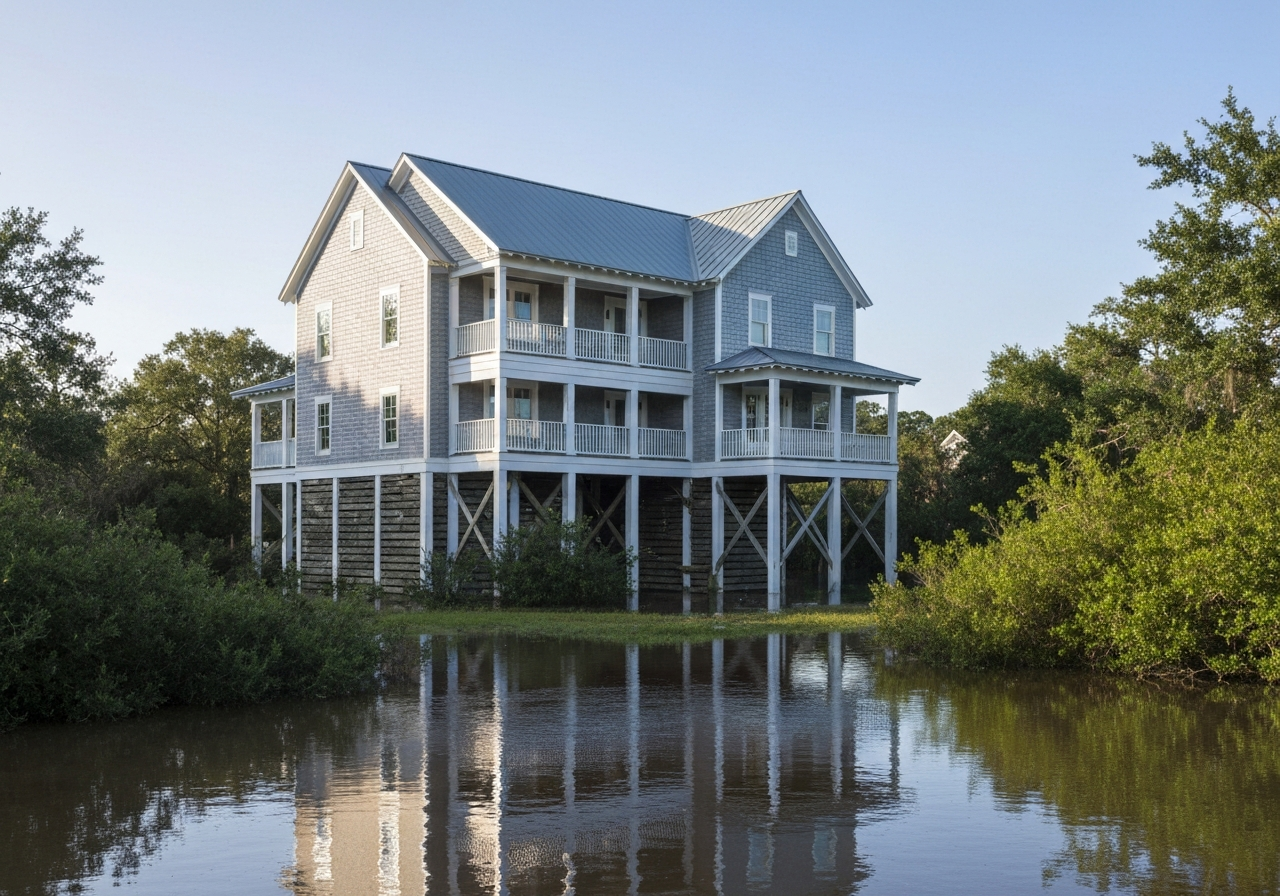
- Flood Damage: Standard homeowners policies do not cover damage from external flooding. Separate flood insurance, often available through the National Flood Insurance Program, is required for this protection.
- Earthquakes and Other Earth Movements: Damages from earthquakes, landslides, and mudslides are generally excluded and require a separate policy or endorsement.
- Normal Wear and Tear: Insurance is designed for sudden and accidental losses, not for maintenance issues or gradual deterioration of your home.
- Negligence: If damage occurs due to a lack of proper home maintenance, your insurer may deny coverage. This often includes issues like pest infestations and mold resulting from neglect.
- Intentional Loss: Damages caused intentionally by you or members of your household are not covered.
- Sewer Backup and Sump Pump Overflow: Often requires a separate endorsement for coverage.
- War, Nuclear Hazards, and Government Action: These are almost universally excluded from standard policies.
Always review your policy documents and consult with your insurance agent to understand specific exclusions and available endorsements.
Decoding Your Premiums: Factors Influencing Homeowners Insurance Costs
Homeowners insurance premiums are highly individualized and influenced by a variety of factors. Insurance companies assess risk based on several criteria:
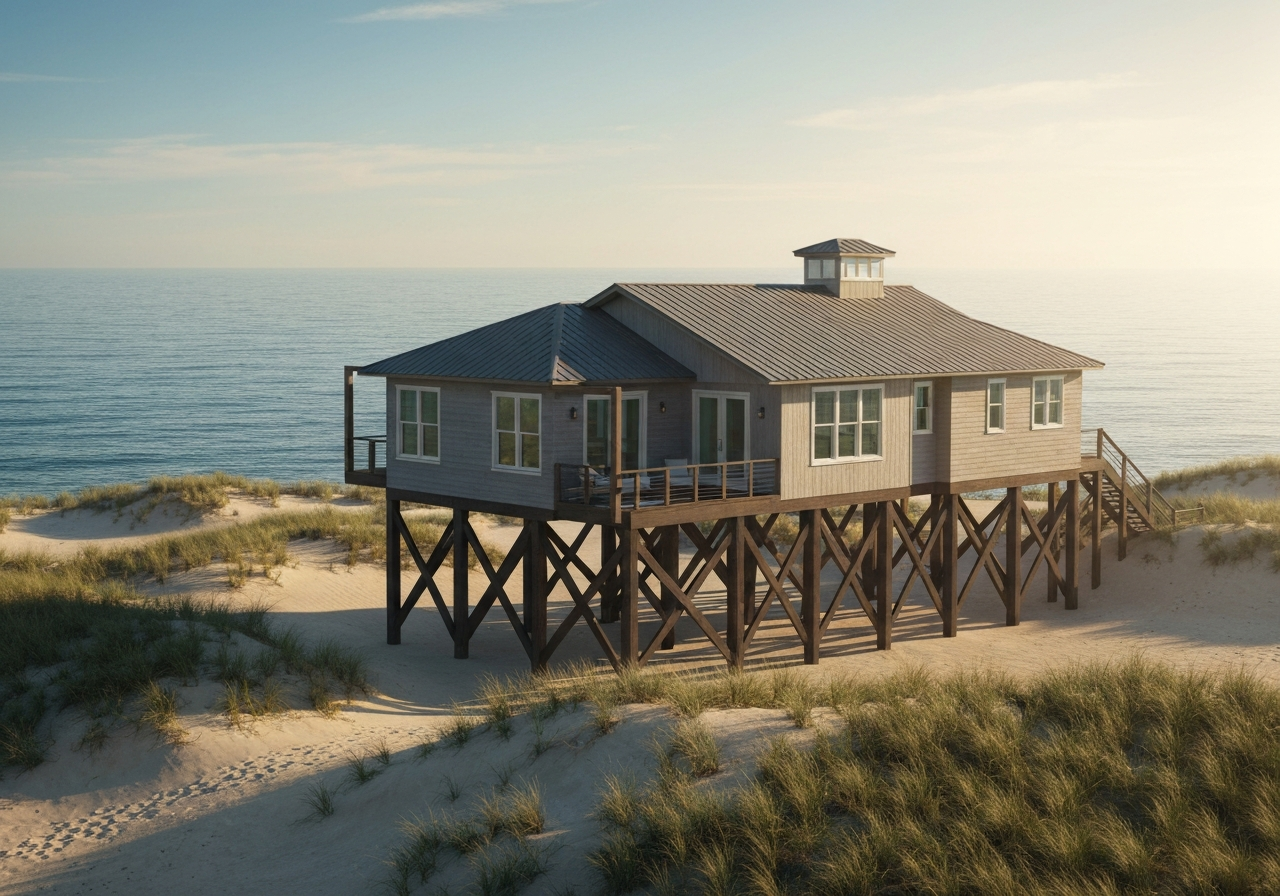
- Property Location: The risk of natural disasters (e.g., hurricanes, wildfires) and local crime rates significantly impact premiums. Proximity to fire hydrants and fire stations can also play a role.
- Home Characteristics:
- Age and Construction: Older homes or those with certain construction materials (like wood shingles) may cost more to insure.
- Roof Age and Material: The condition and type of your roof are critical, as it’s often the most vulnerable part of your home.
- Square Footage and Features: Larger homes with more complex designs, special features (like arched windows or custom finishes), and numerous rooms and bathrooms generally cost more to rebuild and, therefore, to insure.
- Claim History: Both your personal claims history and the property’s claim history can influence rates. Multiple claims in a short period can lead to higher premiums or even non-renewal.
- Credit-Based Insurance Score: Many insurers use credit history as a factor in determining premiums, with a good credit score often leading to lower rates.
- Deductible Amount: Choosing a higher deductible (the amount you pay out-of-pocket before your insurance kicks in) typically results in lower premiums.
Understanding these factors can help you anticipate costs and identify areas for potential savings.
Smart Strategies to Save Money on Your Home Insurance
There are several effective ways to reduce your homeowners insurance premiums without compromising essential coverage:
- Increase Your Deductible: Opting for a higher deductible, such as raising it from $500 to $1,000, can significantly lower your annual premium. Just ensure you can comfortably afford the deductible amount if you need to file a claim.
- Bundle Policies: Many insurance companies offer discounts if you purchase multiple policies, such as homeowners and auto insurance, from the same provider. This is often referred to as a multi-policy discount.
- Improve Home Safety and Security: Installing safety and security devices can lead to discounts. This includes:
- Smoke alarms and carbon monoxide detectors
- Burglar and fire alarm systems (especially those that alert local police and fire stations)
- Deadbolt locks
- Sprinkler systems
- Weatherproofing and storm-resistant features
- Maintain Good Credit: A strong credit history can positively influence your insurance score, potentially leading to lower premiums.
- Shop Around and Compare Quotes: Insurance rates vary significantly between companies. Obtain quotes from multiple insurers to find the most competitive rates for comparable coverage.
- Perform Routine Maintenance: Proactive home maintenance can prevent minor issues from becoming major claims, which helps maintain a favorable claims history. Regularly check for leaks, inspect your roof, and keep up with general repairs.
- Ask About Discounts: Inquire about any other discounts you might qualify for, such as discounts for being a loyal customer, having a new home, or being a non-smoker.
Choosing Your Provider: Why Partner with Beach Insurance LLC
When it comes to protecting your home, choosing the right insurance provider is as important as understanding the policy itself. Beach Insurance LLC stands out by offering a comprehensive range of personal insurance solutions, including specialized homeowners insurance designed to meet the unique needs of homeowners. We are committed to securing the proper coverage at a competitive price, ensuring your peace of mind.
Our approach emphasizes:
- Personalized Service: We take the time to understand your specific circumstances and property details, tailoring a policy that provides optimal protection.
- Expert Guidance: Our knowledgeable staff provides expert advice, helping you navigate the complexities of insurance policies and ensuring you understand what’s covered.
- Comprehensive Coverage Options: Beyond standard policies, we can help you explore endorsements for high-value items, building code upgrades, or specific perils like water backup, safeguarding your investment thoroughly.
With Beach Insurance LLC, you’re not just getting a policy; you’re gaining a partner dedicated to your home’s security. Our service areas, including Greenville, Rock Hill, and Myrtle Beach, reflect our commitment to local communities.
Next Steps: Securing Your Home with the Right Coverage
Securing the right homeowners insurance involves an active approach. Begin by conducting a thorough home inventory to accurately assess your personal property’s value. Then, review your current policy annually, especially if you’ve made home improvements or changes to your personal assets. Building codes are updated periodically, and your policy should reflect the cost of rebuilding to current standards.
It is always recommended to compare quotes from different providers and discuss your needs in detail with a trusted insurance agent. They can help you identify any gaps in coverage, explain available endorsements, and ensure your policy truly protects your most valuable asset. Remember, your insurance policy is a contract—read it carefully to avoid surprises when you need to make a claim.
Ready to protect your home? Visit our Contact Us page to get started today!