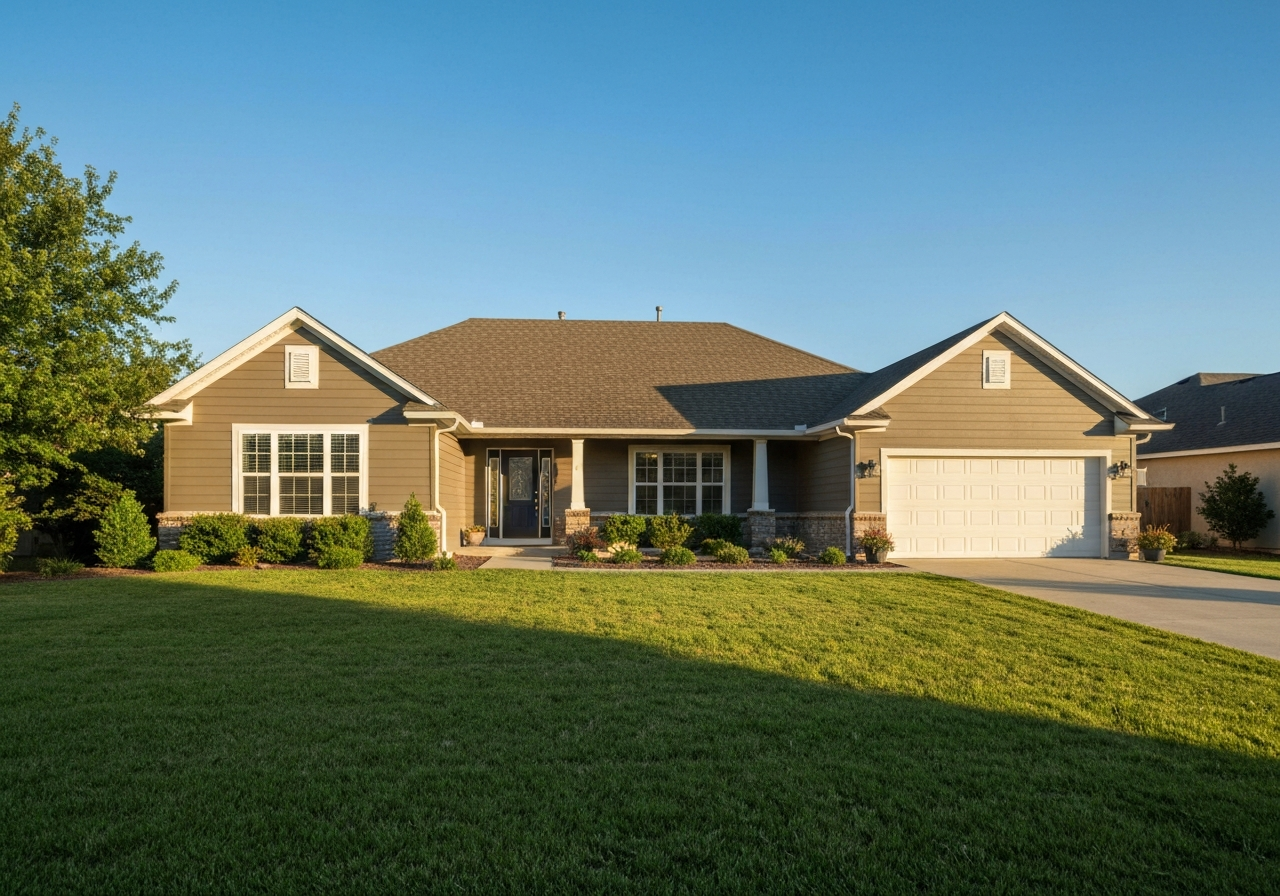

Introduction: Why Comprehensive Home Protection Matters
Protecting your home is a fundamental aspect of financial security. A robust Homeowners Insurance Policy acts as a critical safeguard, offering peace of mind against unforeseen events that could otherwise lead to significant financial distress. It’s more than just a legal requirement for mortgage holders; it’s an essential investment in safeguarding your most valuable asset. Understanding the intricacies of your policy is key to ensuring you have adequate protection when you need it most.
Understanding Your Homeowners Insurance Policy: Key Coverages & Types
A standard homeowners insurance policy is a comprehensive package designed to cover various aspects of your property and personal liability. These policies typically include several core coverage areas:
- Dwelling Coverage: This protects the physical structure of your home, including attached structures like garages and decks, against damage from covered perils such as fire, wind, and hail. It should be sufficient to rebuild your home at current construction costs, not just its market value.
- Other Structures Coverage: Separate structures on your property, like detached garages, sheds, or fences, are typically covered under this section, often up to a percentage of your dwelling coverage.
- Personal Property Coverage: This insures your belongings, such as furniture, clothing, and electronics, whether they are inside your home or even off-premises. Most policies cover personal property for specific named perils. For high-value items like jewelry or fine art, special endorsements may be necessary for full protection.
- Loss of Use (Additional Living Expenses): If a covered event renders your home uninhabitable, this coverage helps pay for temporary living expenses like hotel stays, meals, and other increased costs while your home is being repaired or rebuilt.
- Personal Liability Coverage: This protects you financially against lawsuits if someone is injured on your property or if you (or a family member, including pets) accidentally cause property damage or injury to others, even away from home. Most experts recommend liability limits of at least $300,000 to $500,000.
- Medical Payments Coverage: This covers the medical expenses of guests injured on your property, regardless of fault, for minor injuries.
Homeowners policies come in various forms, each offering different levels of protection. The most common type is the HO-3, or “special form,” which provides open-peril coverage for your dwelling (meaning it covers everything unless specifically excluded) and named-peril coverage for your personal property (covering only listed events). For more extensive coverage, an HO-5 policy, or “comprehensive form,” offers open-peril protection for both your dwelling and personal property. Other forms include HO-2 (broad named perils), HO-4 (renters insurance), HO-6 (condo insurance), HO-7 (mobile home), and HO-8 (older homes). You can learn more about different types of homeowners insurance policies to determine which best fits your situation.
An important distinction in your Homeowners Insurance Policy is between actual cash value (ACV) and replacement cost value (RCV). ACV pays for the depreciated value of your damaged property, while RCV covers the cost to repair or replace items with new ones of similar kind and quality, without deduction for depreciation. While dwelling coverage often defaults to RCV, personal property may be ACV unless upgraded.
Beyond the Basics: Exclusions, Riders, and Essential Add-ons
While a standard Homeowners Insurance Policy provides broad protection, it’s equally important to understand what it typically doesn’t cover. Common exclusions include:
- Flooding: Damage from external floods (e.g., heavy rainfall, storm surges) is almost always excluded. Separate flood insurance policies are necessary, often available through the National Flood Insurance Program.
- Earthquakes: Similar to floods, earthquake damage is typically not covered by standard policies and requires a separate endorsement or policy.
- Maintenance Issues: Damage resulting from normal wear and tear, neglect, or infestations (like termites or mold) is generally considered the homeowner’s responsibility and is not covered.
- Sewer and Drain Backups: While sudden pipe bursts may be covered, damage from backed-up sewer lines or drains usually requires a specific endorsement.
To bridge these coverage gaps, various endorsements or riders can be added to your Homeowners Insurance Policy:
- Scheduled Personal Property: This provides higher limits and broader coverage for specific valuable items, such as jewelry, furs, or musical instruments, often without a deductible.
- Ordinance or Law Coverage: This pays for the additional costs of rebuilding or repairing your home to meet updated building codes after a covered loss.
- Water Backup Coverage: Extends protection to cover damage from backed-up sewer lines, drains, or sump pumps.
- Equipment Breakdown Coverage: Can cover repairs or replacement of major home systems and appliances if they break down due to reasons other than normal wear and tear.
- Inflation Guard: Automatically adjusts your dwelling coverage limit at renewal to keep pace with rising construction costs in your area, helping to ensure your coverage remains adequate.
Factors That Influence Your Home Insurance Premiums
Several factors contribute to the cost of your Homeowners Insurance Policy. Understanding these elements can help you identify opportunities for savings:
- Location: The geographic location of your home significantly impacts premiums. Areas prone to natural disasters (like hurricanes, wildfires, or tornadoes) or with higher crime rates typically have higher insurance costs. This is particularly relevant in coastal regions, where specific hurricane deductibles might apply.
- Home Characteristics: The age of your home, its construction materials (e.g., wood-frame vs. masonry), roof type, and overall condition play a role. Older homes or those with outdated electrical or plumbing systems may face higher premiums.
- Claim History: Both your personal claims history and the claims history associated with the property itself (even from previous owners) can influence rates. Multiple recent claims often lead to increased premiums.
- Deductible Amount: Choosing a higher deductible—the amount you pay out-of-pocket before your insurance kicks in—will generally result in lower annual premiums. However, ensure you can comfortably afford this higher out-of-pocket expense if you need to file a claim.
- Credit-Based Insurance Score: In many states, insurers use a credit-based insurance score to assess risk, with higher scores often correlating to lower premiums.
- Protection Class: Factors like the proximity to a fire station and fire hydrants can also affect your rates.
Smart Strategies to Save on Your Homeowners Coverage
While a comprehensive Homeowners Insurance Policy is vital, there are strategic ways to manage and potentially reduce your premiums without compromising essential coverage:
- Increase Your Deductible: As mentioned, opting for a higher deductible is one of the most direct ways to lower your premium. Just be sure you have an emergency fund to cover the increased out-of-pocket cost if you file a claim.
- Bundle Policies: Many insurance providers offer significant discounts when you bundle multiple policies, such as combining your homeowners and auto insurance with the same company.
- Improve Home Security: Installing security systems, smoke alarms, carbon monoxide detectors, and deadbolt locks can qualify you for discounts. Some insurers offer additional savings for central station-monitored alarms.
- Maintain a Good Credit Score: A strong credit history can positively impact your insurance rates in states where credit-based insurance scores are used.
- Regularly Review Your Policy: Life changes—home renovations, selling expensive items, or paying off your mortgage—can affect your insurance needs and potential discounts. Annual reviews ensure your coverage aligns with your current situation and that you’re not overpaying.
- Shop Around and Compare Quotes: Don’t settle for the first quote you receive. Obtain quotes from several different insurance companies to compare coverage and pricing. This ensures you’re getting the best value for your Homeowners Insurance Policy.
- Ask About Other Discounts: Inquire about any other discounts you might be eligible for, such as loyalty discounts, senior citizen discounts, or discounts for new home construction.
Navigating Your Policy: Annual Reviews and the Claims Process
Understanding your Homeowners Insurance Policy extends beyond just purchasing it; active management and knowing how to navigate the claims process are equally important. Regular annual reviews are crucial. This is your opportunity to:
- Update Coverage Limits: Ensure your dwelling coverage is adequate to rebuild your home, especially if you’ve made improvements or if construction costs have risen.
- Adjust Personal Property Coverage: Review your home inventory and update coverage for any new valuable possessions or if existing items have significantly increased in value.
- Re-evaluate Endorsements: Add or remove endorsements as your needs change (e.g., if you install a new sump pump, consider water backup coverage).
- Discuss Deductibles: Reconsider your deductible amount based on your current financial situation and risk tolerance.
- Clarify Specific Deductibles: Understand how specialized deductibles, like hurricane deductibles, work in your policy. These are often percentage-based and apply to damage from named storms, significantly impacting your out-of-pocket costs.
If you experience a loss, the claims process typically involves:
- Reporting the Claim: Contact your insurer as soon as possible after an incident. You can often report a claim online or by phone.
- Documenting Damage: Take photos or videos of the damage, and create a detailed home inventory of lost or damaged items.
- Meeting with an Adjuster: Your insurer will assign a claims adjuster to assess the damage and determine coverage.
- Understanding Your Payout: The payout will depend on your policy limits, deductibles, and whether your coverage is actual cash value or replacement cost.
Conclusion: Securing Your Home with Confidence
A well-understood and appropriately tailored Homeowners Insurance Policy is more than just a piece of paper; it’s a foundational element of responsible homeownership. By taking the time to understand your coverage, exploring available options, and actively managing your policy, you empower yourself to protect your home and finances with confidence. Being proactive ensures that when unexpected events occur, you have the robust protection needed to rebuild and recover.
Ready to secure your home with confidence? Visit our Contact Us page to learn more about comprehensive homeowners insurance policies.