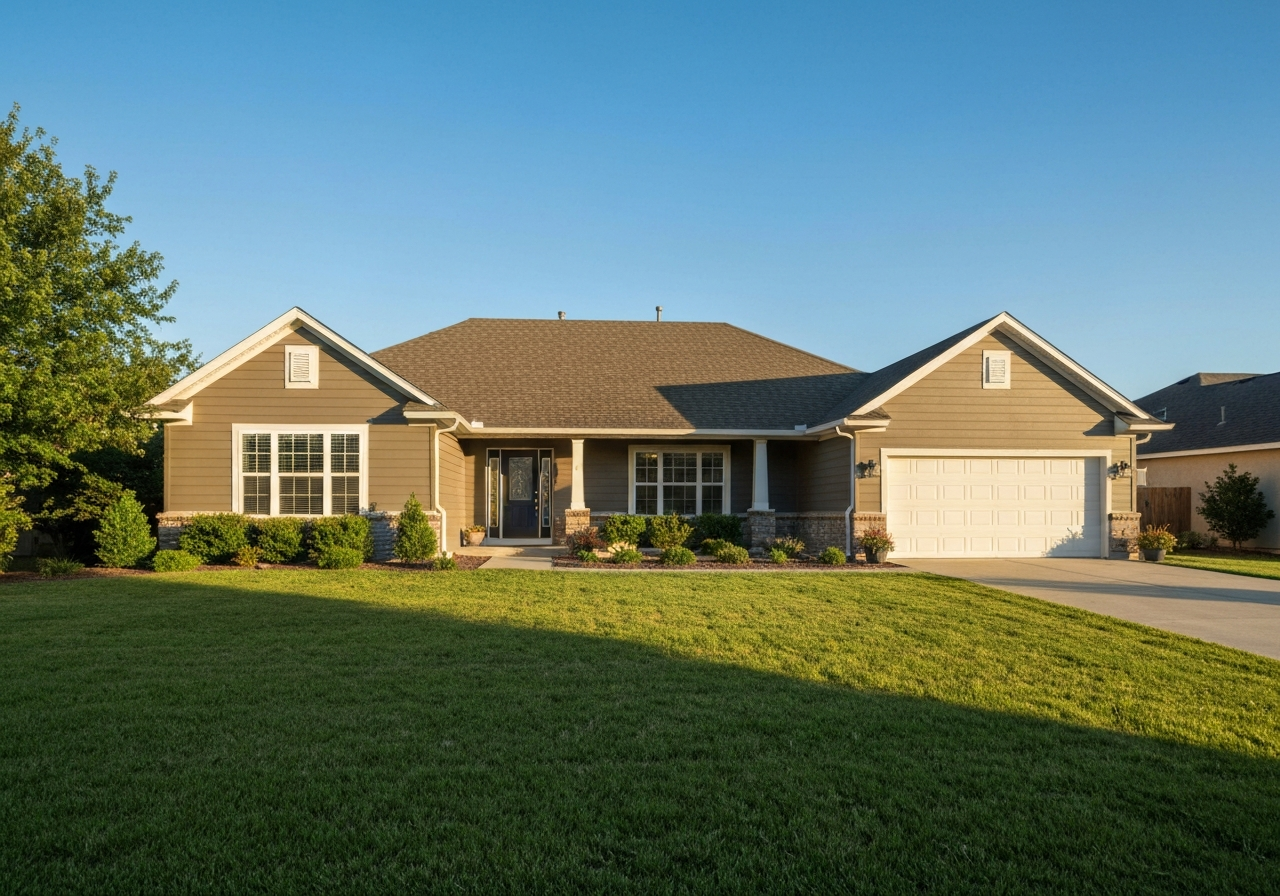

Introduction: Why Homeowners Insurance is Your Home’s Best Defense
Your home is likely your most significant investment, a place of comfort and security. Protecting this asset from unforeseen events is crucial, and that’s where homeowners insurance comes into play. It acts as a financial safeguard, offering peace of mind against a variety of risks, from natural disasters to theft and liability claims. Understanding the various types of homeowners insurance policies is the first step toward securing comprehensive protection for your property and your family’s future.
What Does a Standard Homeowners Policy Cover?
A standard homeowners insurance policy typically offers a broad range of coverages designed to protect your dwelling, personal belongings, and provide liability protection. These usually include:
- Dwelling Coverage: Protects the physical structure of your home, including the roof, walls, and foundation, against covered perils. This also extends to attached structures like garages.
- Other Structures Coverage: Covers unattached structures on your property, such as sheds, fences, and detached garages.
- Personal Property Coverage: Safeguards your belongings, including furniture, clothing, electronics, and other personal items, both inside and outside your home.
- Loss of Use (Additional Living Expenses) Coverage: Reimburses you for temporary living expenses if your home becomes uninhabitable due to a covered loss, such as hotel stays and meal costs.
- Personal Liability Coverage: Provides financial protection if you or a member of your household is found legally responsible for bodily injury or property damage to others. This can cover legal defense costs and settlement amounts.
- Medical Payments Coverage: Pays for medical expenses for guests injured on your property, regardless of fault.
Exploring the Essential types of homeowners insurance policies
Homeowners insurance policies are categorized into different forms, typically designated by HO numbers (Homeowners policies). These forms offer varying levels of coverage, from basic peril protection to comprehensive “open peril” coverage. Here are some of the most common types of homeowners insurance policies you might encounter:
- HO-1 (Basic Form): This is the most limited type, covering only specific perils named in the policy, such as fire, lightning, windstorms, hail, and theft. It’s less common today due to its restricted coverage.
- HO-2 (Broad Form): Offers more coverage than HO-1, protecting against named perils listed in HO-1 plus additional risks like falling objects, weight of ice and snow, and accidental discharge of water or steam.
- HO-3 (Special Form): The most popular and widely held policy type. It provides “open peril” coverage for your dwelling and other structures, meaning it covers all risks except those specifically excluded. Personal property, however, is typically covered on a named-peril basis.
- HO-5 (Comprehensive Form): Offers the most extensive coverage. Both the dwelling and personal property are covered on an “open peril” basis, providing broader protection against a wider range of risks unless explicitly excluded.
- HO-8 (Modified Coverage Form): Designed for older homes where the replacement cost of repairs may exceed the market value. It typically provides actual cash value coverage for both the dwelling and personal property.
Diving Deeper: Understanding HO-3, HO-4, and HO-6 Policies
While various policies exist, three forms stand out due to their prevalence and specific target audiences:
HO-3 (Special Form): The Standard for Homeowners
As mentioned, the HO-3 policy is the most common choice for homeowners. It strikes a balance between broad coverage for your home’s structure and more defined protection for your personal belongings. The “open peril” coverage for the dwelling means that unless a specific event is listed as an exclusion, damage to your home’s structure is covered. For personal property, it typically relies on a “named peril” basis, similar to an HO-2 policy, meaning only the perils explicitly listed in the policy are covered. This structure makes HO-3 policies suitable for most homeowners seeking robust yet affordable protection.
HO-4 (Contents Broad Form): Essential for Renters
Not everyone owns their home, but everyone has belongings that need protection. The HO-4 policy, often called “renters insurance,” is specifically designed for individuals who rent houses or apartments. It covers your personal property against the same named perils as an HO-2 policy. Critically, it also includes liability coverage, protecting you financially if someone is injured in your rented space or if you accidentally cause damage to the property of others. Renters insurance does not cover the dwelling itself, as that is the landlord’s responsibility, often covered by a different type of policy like a DP-3 for investment properties.
HO-6 (Unit-Owners Form): Tailored for Condo Owners
Condominium ownership presents a unique insurance challenge, as unit owners are responsible for their individual unit’s interior, while the condo association’s master policy covers shared areas and the building’s exterior. The HO-6 policy, or “condo insurance,” addresses this by providing coverage for your unit’s interior, including fixtures, appliances, and any improvements you’ve made. It also covers your personal belongings and provides liability protection, much like an HO-4 policy. Understanding the specifics of your condo association’s master policy is vital to ensure you have no gaps in coverage when selecting an HO-6 policy.
Key Exclusions and Specialized Protections: Flood, Earthquake, and More
While homeowners insurance offers extensive protection, it’s equally important to understand what it typically does not cover. Standard policies generally exclude damage from certain perils, necessitating specialized coverage or endorsements. Two of the most common exclusions are floods and earthquakes.
- Flood Insurance: Damage caused by flooding is almost universally excluded from standard homeowners policies. If your property is in a flood-prone area, or even if it’s not but you want comprehensive protection, you will need to purchase a separate flood insurance policy, often available through the National Flood Insurance Program (NFIP).
- Earthquake Insurance: Similar to floods, earthquake damage is typically not covered by standard policies. Homeowners in seismic zones often opt for separate earthquake insurance or an endorsement to their existing policy.
Other potential exclusions or limitations to be aware of include damage from landslides, mudslides, sinkholes (though some policies may offer limited coverage or endorsements), nuclear hazards, and war. It’s also important to note that damage resulting from poor maintenance or neglect is typically not covered. When choosing the right homeowners policy, always review the exclusions carefully and consider adding endorsements for specific risks relevant to your region and property.
Levels of Coverage: Actual Cash Value vs. Replacement Cost Explained
When your property or belongings are damaged, how your insurance company calculates your reimbursement is critical. Homeowners policies generally offer two primary methods of valuation:
- Actual Cash Value (ACV): This method pays for the cost to replace your damaged property or belongings minus depreciation. Depreciation accounts for the age, wear, and tear of an item. For example, if a 10-year-old TV is destroyed, an ACV policy would pay out what that 10-year-old TV was worth at the time of loss, not the cost of a brand new one.
- Replacement Cost Value (RCV): This method reimburses you for the cost to repair or replace your damaged property or belongings with new items of similar kind and quality, without any deduction for depreciation. While RCV policies typically have higher premiums, they offer more comprehensive financial protection by ensuring you can replace items without significant out-of-pocket costs. Most policies cover replacement cost for damage to the structure of your home.
For your personal possessions, you can often choose between ACV and RCV. Opting for replacement cost coverage for your contents typically increases your premium by about 10% but can make a substantial difference in the event of a significant loss.
Factors That Influence Your Homeowners Insurance Premium
Several factors determine the cost of your homeowners insurance premium. Understanding these can help you manage your insurance costs and potentially find savings:
- Location of Your Home: Proximity to fire hydrants, crime rates, and susceptibility to natural disasters (e.g., coastal areas prone to hurricanes) significantly impact premiums.
- Dwelling Characteristics: The age, size, construction materials (e.g., frame, masonry), style, and unique features of your home affect rebuilding costs and, consequently, your premium.
- Deductible Amount: This is the amount you pay out of pocket before your insurance coverage kicks in. Choosing a higher deductible typically lowers your premium.
- Claims History: A history of past claims can indicate higher risk to insurers, leading to increased premiums.
- Risk Mitigation Features: Homes equipped with security systems, smoke detectors, fire extinguishers, and hurricane-resistant features often qualify for discounts.
- Credit-Based Insurance Score: In many states, insurers use credit information to help determine premiums, as studies suggest a correlation between credit history and the likelihood of filing claims.
- Policy Type and Coverage Limits: More comprehensive policies (like HO-5) and higher coverage limits for dwelling, personal property, and liability will result in higher premiums.
Choosing the Right Homeowners Policy for Your Unique Needs
Selecting the ideal homeowners insurance policy requires careful consideration of your specific circumstances, property, and risk tolerance. It’s not a one-size-fits-all decision. Begin by accurately assessing your home’s rebuilding cost, not its market value, to ensure adequate dwelling coverage. Take a comprehensive inventory of your personal belongings to determine appropriate personal property limits, especially for high-value items that might require special floaters or endorsements. Evaluate your personal liability exposure, considering your assets and lifestyle, and opt for sufficient liability coverage, possibly including an umbrella policy for added protection. Reviewing the various types of homeowners insurance policies available will help you make an informed decision.
Consider your location and potential risks, such as flood or earthquake zones, and be prepared to purchase additional coverage for excluded perils. Finally, compare quotes from multiple insurers and consult with a trusted insurance professional who can analyze your needs and guide you through the complexities of different policy options. Regular policy reviews, at least annually, are also essential to ensure your coverage remains aligned with any changes to your property or personal situation. You can explore more general insurance topics on our blog.
Ready to protect your home? Visit our Contact Us page to learn more.