Living by the Water: Understanding Your Coastal Home Insurance Needs
Owning a home by the coast offers unparalleled beauty and lifestyle, but it also comes with unique challenges, particularly when it comes to insurance. Understanding your coastal home insurance explained thoroughly is essential for safeguarding your most valuable asset. Coastal properties face a distinct set of risks that standard homeowners insurance policies often don’t fully cover. From the constant threat of hurricanes and tropical storms to the everyday realities of erosion and saltwater exposure, residents in these picturesque locales require specialized protection tailored to their environment.
Coastal Home Insurance Explained: What Makes It Different?
Unlike inland properties, coastal homes are frequently exposed to high winds, storm surge, and floodwaters, which necessitate a different approach to insurance. Standard homeowners insurance policies typically cover perils like fire, theft, and liability, but they often exclude damages specifically caused by windstorms, hurricanes, and, most notably, floods. This is where specialized coastal home insurance comes into play. It often involves a combination of policies or endorsements to ensure comprehensive coverage. These policies account for the increased likelihood and severity of weather-related events, often featuring unique deductibles and coverage limits that reflect the heightened risk profile of waterfront living. For a general overview of homeowners insurance, including what it covers, see Homeowners Insurance.
Navigating Unique Risks and Deductibles for Coastal Properties
Coastal homeowners must be aware of specific perils and the corresponding deductibles. Key differences include:
- Windstorm and Hurricane Deductibles: Many coastal home insurance policies separate wind and hail damage from other perils, imposing a percentage-based deductible (e.g., 2% or 5% of the dwelling’s insured value) specifically for hurricane or named storm events. This can result in significantly higher out-of-pocket expenses compared to a standard dollar-amount deductible. It’s crucial for homeowners to understand what every coastal homeowner needs to know about hurricane deductibles.
- Erosion: While not typically covered by insurance, ongoing coastal erosion can impact a home’s foundation and structural integrity over time.
- Saltwater Corrosion: Prolonged exposure to salt air can accelerate the degradation of exterior materials and systems, potentially leading to more frequent maintenance and repair needs.
- Flood Zones and Maps: Living in a coastal area almost certainly means your property falls within a flood zone. The FEMA Flood Insurance Rate Map (FIRM) identifies these zones (VE, AE, AO, X), indicating the level of flood risk and influencing mandatory flood insurance requirements and premiums.
Factors Influencing Your Coastal Home Insurance Premiums
Several critical factors directly impact the cost of your coastal home insurance premiums:
- Location within a Flood Zone: Properties in high-risk flood zones (like Zone VE or AE) will generally have higher premiums for flood insurance.
- Proximity to the Coast: The closer your home is to the water, the higher the risk of storm surge and wind damage, leading to increased costs.
- Construction Type and Age: Newer homes built to stringent coastal building codes, especially those with reinforced roofs or elevated foundations, may qualify for lower premiums. The type of building materials used also plays a role.
- Mitigation Measures: Installing storm shutters, impact-resistant windows, or a wind-resistant roof can significantly reduce your premiums by demonstrating efforts to minimize potential damage.
- Claims History: A history of past claims on the property can lead to higher insurance costs.
Primary Residence vs. Vacation Home: Insurance Implications
The way you use your coastal property significantly impacts its insurance profile. A primary residence, occupied year-round, typically presents a lower risk for insurers compared to a vacation home. Vacation homes, especially those rented out, often face higher premiums due to:
- Increased Vacancy Risks: Unoccupied homes are more susceptible to theft, vandalism, and undetected damage (e.g., burst pipes) that can worsen over time.
- Rental Exposure: If you rent out your vacation home, even for short periods, your insurance needs will change. Standard homeowners policies may not cover incidents involving tenants. As highlighted by the Insurance Information Institute, insuring a vacation home often costs more due to these different risks, and additional coverage may be necessary if you plan to rent it out to others. Specialized coverage for renting out your home is usually required.
- Liability Concerns: Renting your property increases your liability exposure to guests. For investment properties, such as those regularly rented out, a specific landlord’s insurance policy, like a DP-3 policy, is generally recommended for comprehensive coverage, as explained in discussions around Investment Properties.
The Essential Role of Flood Insurance in Coastal Areas
One of the most critical components of coastal home protection, often misunderstood, is flood insurance. It’s a common misconception that standard homeowners insurance covers flood damage. In reality, it does not. Flood insurance is typically purchased separately, most commonly through the National Flood Insurance Program (NFIP), though private flood insurance options are also available.
For coastal homeowners, understanding flood zones is paramount. FEMA delineates various flood hazard zones:
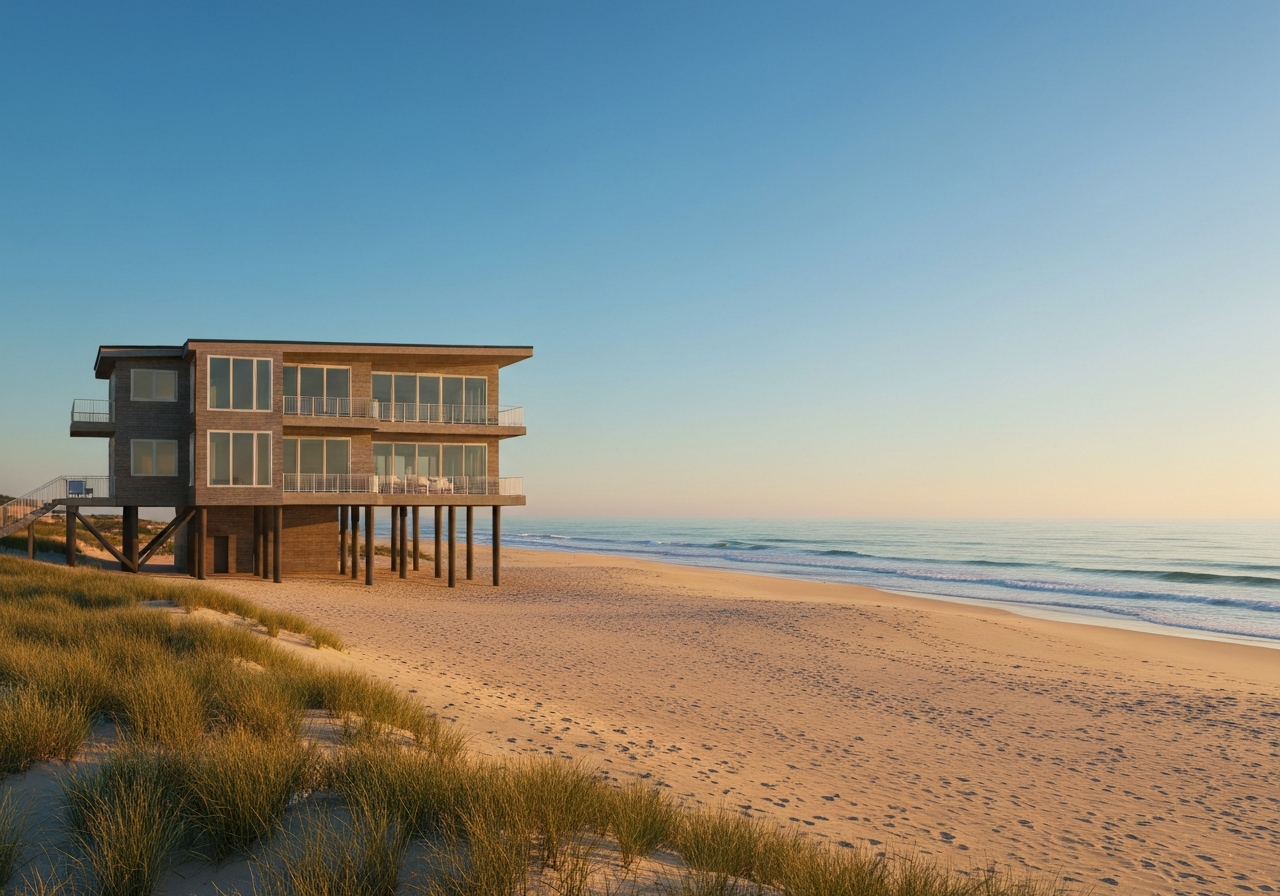
- Zone VE: Designated as Coastal High Hazard Areas, these zones are subject to high-velocity wave action and storm surge, requiring more stringent building practices, such as elevation on pilings.
- Zone AE: Areas with a 1%-annual-chance of flooding, but with less intense wave action.
- Zone AO: Areas prone to shallow flooding from wave overtopping.
- Zone X: Areas with a moderate to low risk of flooding, though significant flood damage can still occur here. In fact, over 20% of NFIP claims come from these areas, demonstrating that “low risk” does not mean “no risk.”
Changes in flood zone designations and Base Flood Elevations (BFEs) can significantly impact building requirements and flood insurance costs. Therefore, staying informed about your property’s flood risk and the relevant regulations is vital. For more information, consider visiting our Flood Insurance page.
Protecting Your Coastal Dream Home with Expert Guidance
Navigating the complexities of coastal home insurance requires expert knowledge. Given the unique risks associated with waterfront properties, a comprehensive strategy often involves layering different types of coverage to ensure all potential threats are addressed. This might include a primary homeowners policy, a separate flood insurance policy, and specialized endorsements for wind or hurricane damage. Understanding the interplay of these policies and their deductibles is crucial for avoiding costly gaps in coverage.
Working with an independent insurance agency that specializes in coastal properties, like Beach Insurance LLC, can provide invaluable guidance. Our local agents in areas such as Ocean Isle Beach, Isle of Palms, and Myrtle Beach possess an in-depth understanding of the specific risks and insurance solutions available for these unique environments. They can help you assess your property’s vulnerability, identify potential savings through mitigation efforts, and customize a robust insurance portfolio that provides peace of mind, allowing you to fully enjoy your coastal dream home without unnecessary worry.
Ready to protect your coastal dream home? Visit our Contact Us page today to speak with an expert.