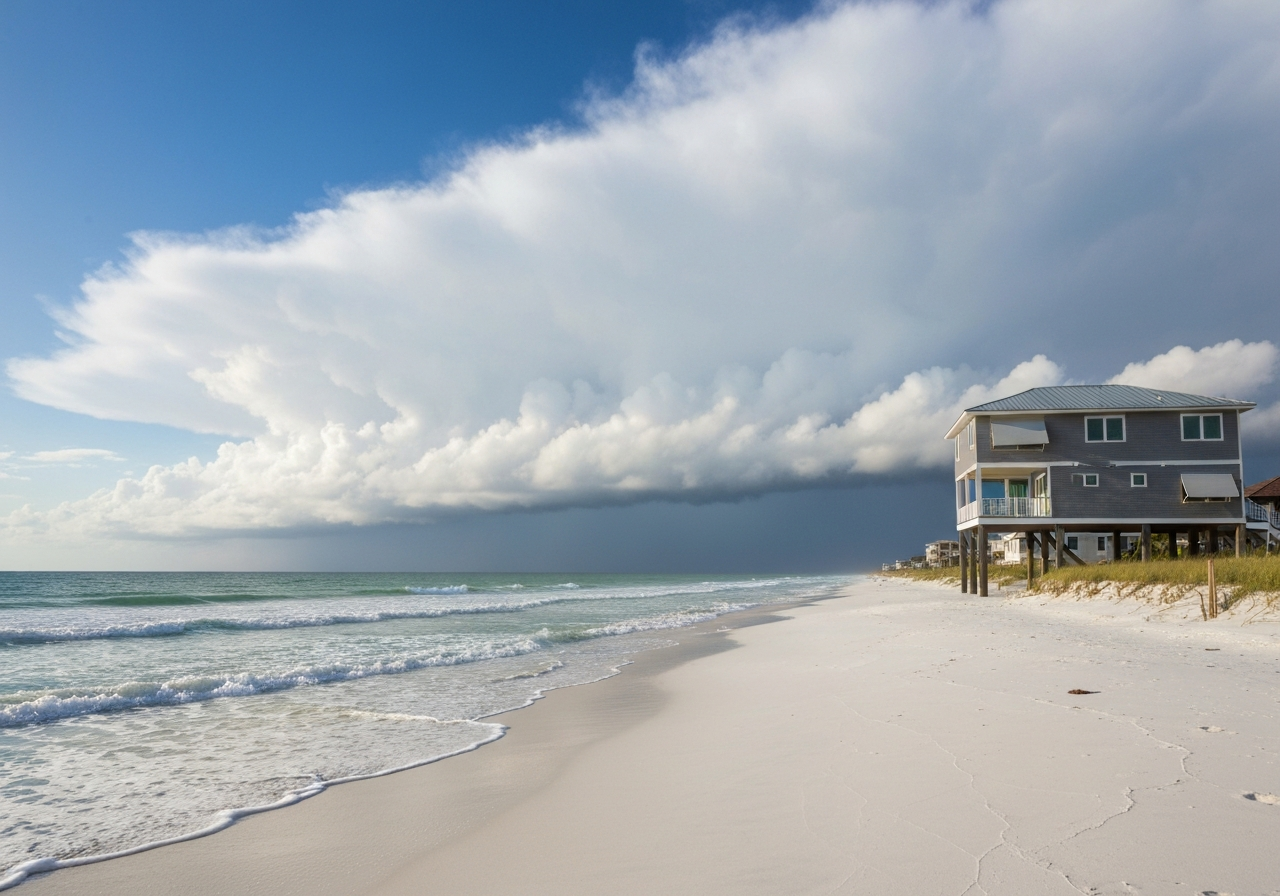
The Unique Risks of Coastal Homeownership
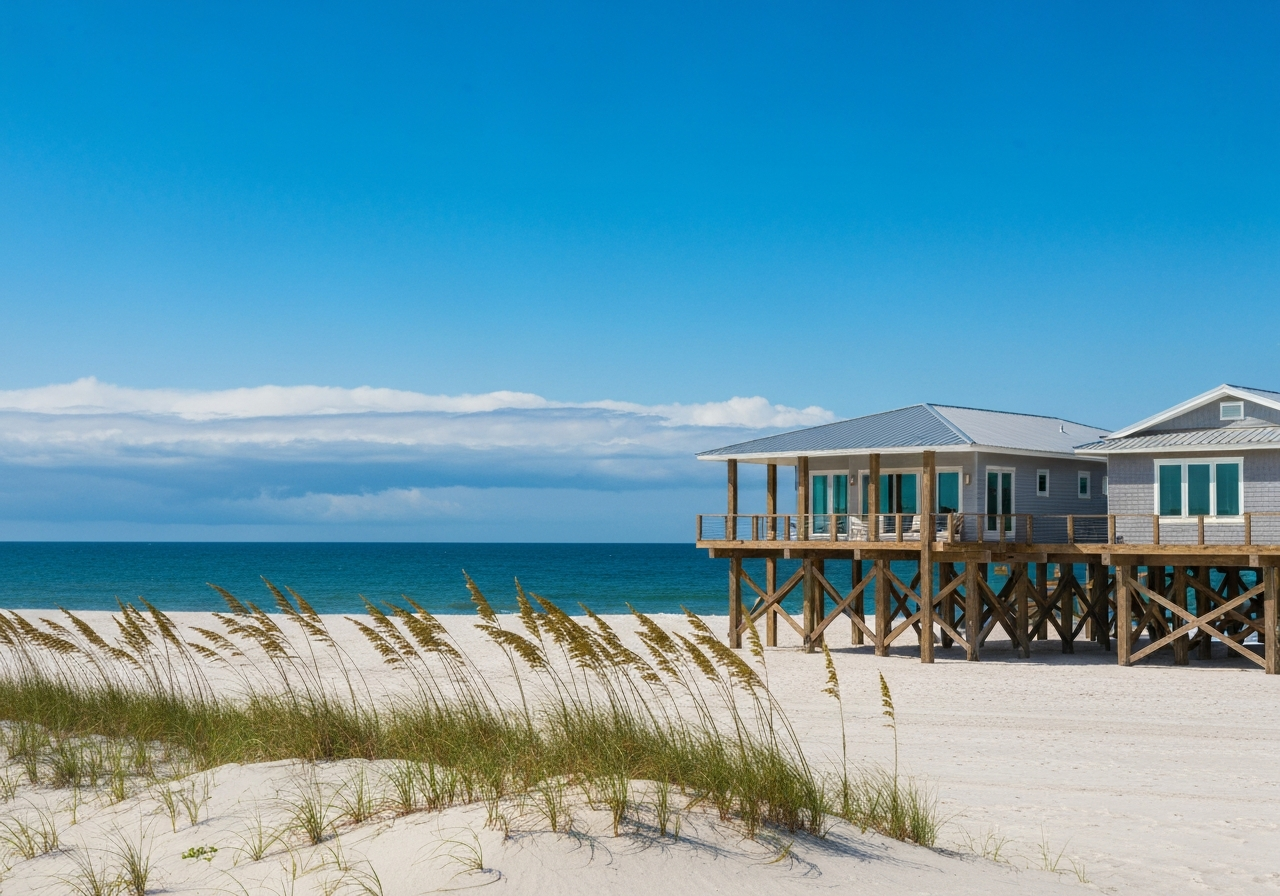
Living along the coast offers unparalleled beauty and lifestyle, but it also comes with a unique set of challenges, particularly concerning property insurance. Coastal homes are inherently more susceptible to severe weather events, such as hurricanes, tropical storms, and flash floods. These natural disasters bring with them the dual threat of powerful winds and devastating water damage, risks that standard homeowners insurance policies are often not equipped to cover comprehensively. Understanding these distinct vulnerabilities is the first step toward safeguarding your investment.
Understanding Coastal Homeowners Flood and Wind Insurance: A Comprehensive Overview
For homeowners in high-risk coastal regions, a standard homeowners policy rarely provides sufficient protection against the full spectrum of perils. This is where understanding coastal homeowners flood and wind insurance becomes critical. Specialized coastal home insurance often requires a combination of policies or endorsements designed to specifically address wind, hail, and flood damage. These coverages are crucial, as insurers often exclude these catastrophic risks from basic policies due to the high likelihood and correlated nature of losses in these areas.
Decoding Flood Insurance: What Coastal Homeowners Need to Know
One of the most significant gaps in standard homeowners insurance is its exclusion of flood damage. This is a crucial lesson often overlooked: water damage from an overflowing river, storm surge, or heavy rainfall that enters from outside the home is typically not covered by a regular policy. This stems from the insurance principle of avoiding “highly correlated losses” where a single event affects many properties simultaneously, leading to catastrophic payouts across an insurer’s portfolio, as noted by financial experts. Therefore, a separate flood insurance policy is almost always necessary for coastal homeowners.
The primary source of flood coverage in the U.S. is the National Flood Insurance Program (NFIP), managed by FEMA. NFIP policies typically cover up to $250,000 for residential property damage and $100,000 for contents. It’s important to note that NFIP policies usually come with a 30-day waiting period before coverage takes effect, meaning you cannot wait until a storm is imminent to purchase it. Beyond the NFIP, a growing private flood insurance market offers additional options, sometimes with different coverage limits or potentially more competitive rates, especially for properties outside high-risk flood zones. The North Carolina Department of Insurance emphasizes the importance of flood insurance, particularly for those living near the coast, even if not in a designated flood plain, since 99% of U.S. counties have experienced a flood event over the past two decades, with about 40% of NFIP claims coming from outside high-risk zones.
Navigating Windstorm and Hurricane Coverage for Your Coastal Home
Just as flood damage is often excluded, so too is wind damage in many coastal and hurricane-prone states. In 19 states and Washington D.C., wind and hail coverage may be offered as a separate policy or an endorsement to a standard homeowners policy. It is vital to differentiate between types of wind coverage:
- Hurricane or Named Storm Deductible: This deductible applies only when a storm has been officially named by the National Hurricane Center and reaches a specified intensity (e.g., tropical storm strength or hurricane force winds). This is a more predictable trigger.
- Windstorm or Wind and Hail Deductible: This broader deductible applies to damage from any wind event, including thunderstorms, tornadoes, and hurricanes.
Coastal homeowners insurance policies for wind damage almost always feature percentage-based deductibles rather than fixed dollar amounts. This means your out-of-pocket cost is a percentage (commonly 1% to 5%, but sometimes as high as 10%) of your home’s insured value, not the amount of the damage. For example, a 2% hurricane deductible on a $300,000 home means you are responsible for the first $6,000 of a hurricane-related wind claim. Understanding your hurricane deductible is crucial for financial preparedness.
Key Differences: Flood vs. Wind Damage Coverage
Distinguishing between flood and wind damage is one of the most critical aspects of understanding coastal homeowners flood and wind insurance. The distinction is paramount because these perils are typically covered by separate policies. Wind damage results from the force of air movement, such as shingles torn off a roof or a tree falling due to high winds. Flood damage, conversely, is caused by water that has risen from the ground, a body of water, or heavy rainfall runoff. This could include storm surges, flash floods, or river overflows.
After a severe storm, especially a hurricane, homes often sustain damage from both wind and water. When this occurs, each insurance company (for flood and for wind/homeowners) will typically assign its own adjusters to evaluate the losses. An expert insight to add for authority is that determining the precise cause of damage (which part was wind, which was flood) can be complex and often requires a structural engineer to help adjusters accurately classify damages to apply them under the correct policy. This cooperative effort between adjusters ensures that homeowners receive the maximum available recovery from their respective policies.
Factors Affecting Your Coastal Home Insurance Premiums
Several factors uniquely influence coastal home insurance premiums. These include:
- Location: Proximity to the coast, elevation, and whether the property is in a designated flood zone significantly impact rates.
- Home Characteristics: The age, construction type, and specific features of your home play a major role. Older homes or those built to less stringent codes may face higher premiums.
- Mitigation Efforts: Demonstrating efforts to harden your home against wind and flood can lead to substantial discounts. For example, homes built or retrofitted to FORTIFIED standards, which are third-party verified to withstand higher wind loads, often qualify for mandated wind premium discounts of 20% to 55% in states with enacted legislation. Studies have shown FORTIFIED Roof homes had significantly fewer claims and lower losses during hurricanes.
- Deductible Choices: Opting for higher deductibles, particularly percentage-based hurricane deductibles, can lower your annual premium but increases your out-of-pocket expense if a claim is filed.
Protecting Your Investment: Tips for Coastal Homeowners
Beyond securing the right insurance, proactive measures can significantly protect your coastal home:
- Review Your Policies Annually: Don’t wait for hurricane season. Regularly review your homeowners, flood, and wind policies with an insurance agent to ensure coverage limits are adequate for your home’s replacement cost and that you understand all deductibles and exclusions. Details on hurricane and windstorm deductibles by state can be found through resources like the Insurance Information Institute.
- Create a Comprehensive Home Inventory: Document all your belongings with photos and videos. This invaluable record will expedite the claims process if damage occurs.
- Reinforce Your Home: Implement hurricane-resistant upgrades such as storm shutters, reinforced garage doors, and a fortified roof. Many states offer premium discounts for these improvements.
- Understand Timing Restrictions: Many insurers impose a moratorium on issuing new policies or making significant changes 24 to 48 hours before a named storm approaches. It is essential to have your coverage in place well before hurricane season. This real-world lesson, often overlooked, means last-minute insurance purchases for an imminent storm are usually impossible, as highlighted by U.S. News.
Securing Your Policy: How to Find the Right Coverage
Given the complexities of coastal homeowners flood and wind insurance, working with a knowledgeable, independent insurance agent is invaluable. An experienced agent can help you navigate the nuances of different policies, identify potential coverage gaps, and compare options from various providers to find the most suitable and cost-effective solutions for your specific needs. They can explain triggers for hurricane deductibles, illustrate how percentage deductibles work in dollar terms, and advise on potential discounts for mitigation efforts. By taking the time to understand your risks and coverage options, you can gain peace of mind knowing your coastal home is properly protected.
Ready to secure your coastal home? Visit our Contact Us page to get started today!