Understanding Basic Homeowners Insurance: Your Essential Protection
For many, a home represents their most significant investment, a sanctuary that requires robust protection. This is precisely where Basic Homeowners Insurance steps in, offering crucial financial safeguards against a myriad of unforeseen events. It’s not merely a policy; it’s a comprehensive package designed to shield homeowners from financial ruin due to property damage, loss of belongings, and liability claims. Understanding the fundamentals of this essential coverage is the first step toward securing your peace of mind and your future.
A standard homeowners insurance policy is typically a multi-peril package, meaning it conveniently bundles various coverages into one policy, often making it more cost-effective than purchasing each coverage individually. While not legally mandated in most states, mortgage lenders almost universally require homeowners insurance to protect their investment.
What Does Basic Homeowners Insurance Cover?
A typical homeowners insurance policy is structured around four core areas of protection, providing a financial safety net against common perils. These foundational coverages are designed to address the most significant risks associated with homeownership.
- Damage to the physical structure of your home: This covers the dwelling itself, including attached structures like garages.
- Loss or damage to your personal belongings: Protection for furniture, clothing, electronics, and other personal items inside your home and, in many cases, even when they’re away from your property.
- Liability protection: Offers coverage if you or a family member are found legally responsible for injuring another person or damaging their property.
- Additional living expenses (ALE): Provides financial support if your home becomes uninhabitable due to a covered loss, necessitating temporary relocation.
While these four pillars form the backbone of homeowners insurance basics, it’s vital to delve deeper into each to fully grasp their scope.
Dwelling Coverage: Protecting Your Home’s Structure
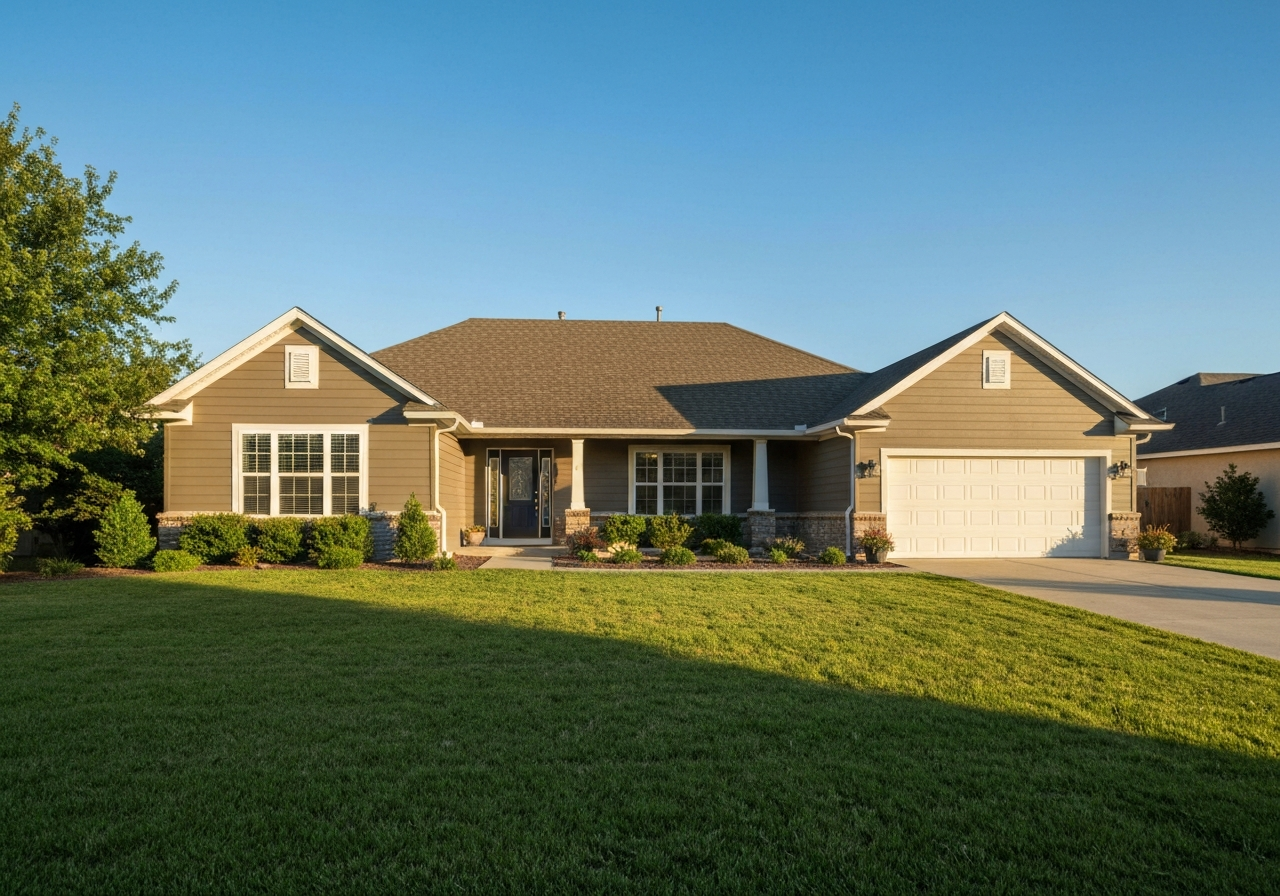
Dwelling coverage, often referred to as Coverage A, is the cornerstone of any homeowners insurance policy. This component specifically protects the physical structure of your home, including its roof, walls, floors, and built-in appliances like furnaces and water heaters. It also extends to attached structures such as garages, screened porches, or decks.
This coverage pays to repair or rebuild your home if it’s damaged or destroyed by a covered peril, which commonly includes fire, lightning, windstorm, hail, vandalism, and falling objects. When determining the appropriate limit for your dwelling coverage, it’s crucial to insure your home for its replacement cost value (RCV), which is the amount it would cost to rebuild your home from the ground up using similar materials at current prices, not its market value. Many mortgage lenders require coverage equal to at least 80% of your home’s RCV, though most insurers recommend 100% to avoid potential out-of-pocket expenses during a claim. For more detailed information on this critical coverage, explore what is dwelling coverage.
Factors influencing the cost of rebuilding include local construction costs, the year of construction, square footage, exterior wall materials, the style of the house, and any special features or improvements.
Personal Property Coverage: Safeguarding Your Belongings
Beyond the structure of your home, your personal property coverage (Coverage C) is designed to protect your belongings. This includes everything from furniture, clothing, and electronics to sports equipment and kitchenware. A key benefit of this coverage is that it typically extends beyond the confines of your home, protecting your items anywhere in the world, subject to policy limits.
Most standard homeowners policies provide coverage for personal possessions at approximately 50% to 70% of your dwelling coverage amount. However, it’s essential to conduct a home inventory to assess the true value of your belongings and ensure this percentage is sufficient. You can choose to insure your possessions in two ways:
- Actual Cash Value (ACV): This pays to replace your belongings minus a deduction for depreciation due to age, wear, and tear.
- Replacement Cost Value (RCV): This reimburses you for the cost to replace a damaged item with a new one of similar kind and quality, without deducting for depreciation. While typically costing about 10% more than ACV, RCV offers significantly better financial protection.
For high-value items like jewelry, furs, fine art, or expensive electronics, standard policies often have “sublimits” or special limits of liability, meaning they may only cover these items up to a certain dollar amount (e.g., $1,500 for jewelry theft). To adequately protect such valuables, you may need to purchase a special personal property floater or endorsement, which provides higher limits and often no deductible. Learn more about personal property insurance.
Liability Protection: When Accidents Happen on Your Property
Liability protection (Coverage E) is a critical component of Basic Homeowners Insurance, offering financial defense against lawsuits for bodily injury or property damage that you, a family member, or even your pets cause to others. This coverage is not limited to incidents occurring on your property but can also extend to accidents that happen away from home.
If someone is injured on your property—perhaps slipping on an icy sidewalk or falling due to a broken step—your liability coverage can help pay for their medical bills, legal fees, and any court-awarded damages, up to your policy limit. Most homeowners policies typically start with a minimum of $100,000 in liability coverage, but many experts recommend increasing this to $300,000 to $500,000, especially if you have significant assets to protect.
It’s important to note that liability insurance generally does not cover intentional acts or injuries to members of your own household. For those seeking even greater protection, particularly if you have substantial assets, an umbrella or excess liability policy can provide an additional layer of coverage beyond the limits of your homeowners and auto insurance policies, also offering broader coverage for things like libel and slander.
Additional Living Expenses (ALE): Support During Displacement
If your home becomes uninhabitable due to a covered peril—such as a fire, severe storm, or other insured disaster—Additional Living Expenses (ALE) coverage (also known as Loss of Use, or Coverage D) is an invaluable feature of your homeowners policy. This coverage helps to cover the additional costs you incur by temporarily living away from your home.
ALE typically covers reasonable expenses that are above and beyond your normal living costs. Examples include:
- Hotel bills or temporary rental accommodations
- Increased food costs (e.g., restaurant meals if you cannot cook at home)
- Laundry expenses
- Pet boarding fees
- Extra transportation costs
- Storage fees for your belongings
It’s crucial to remember that ALE only covers additional expenses, not your regular outgoings like your mortgage payment or usual utility bills. Most policies provide ALE coverage as a percentage of your dwelling coverage, typically 20% to 30%, but some insurers offer options for higher or even “actual loss sustained” coverage, which has no set dollar limit but covers all reasonable expenses. Keeping detailed records and receipts of all your expenditures during displacement is vital for successful claims. You can learn more about additional living expenses.
Important Exclusions: What Basic Homeowners Insurance Typically Doesn’t Cover
While Basic Homeowners Insurance offers extensive protection, it’s equally important to understand what it typically doesn’t cover. Knowing these exclusions allows you to identify potential gaps in your coverage and consider supplementary policies or endorsements. Common exclusions from standard homeowners insurance policies include:
- Flooding: Damage caused by external flooding (e.g., rising rivers, heavy rainfall, storm surges) is almost always excluded. Separate flood insurance, often through the National Flood Insurance Program (NFIP) or private insurers, is required for this protection.
- Earthquakes and Earth Movement: Damages resulting from earthquakes, landslides, mudslides, or sinkholes are generally excluded. Specialized earthquake insurance or an endorsement is necessary for coverage in prone areas.
- Normal Wear and Tear & Neglect: Homeowners insurance is designed for sudden and accidental damage, not for issues arising from lack of maintenance, gradual deterioration, or neglect. This includes problems like aging roofs, slow leaks, or pest infestations.
- Intentional Loss: Damage caused intentionally by the policyholder or a household member will not be covered.
- War, Nuclear Hazards, and Government Action: These extreme perils are typically excluded due to their catastrophic and widespread nature.
- Sewer or Drain Backup: While some internal water damage might be covered, damage from sewer or drain backups often requires an additional endorsement.
It’s always recommended to review your specific policy’s declarations page or discuss with your insurance agent to fully understand your home insurance exclusions and explore options to close any critical coverage gaps. For example, in hurricane-prone regions, wind or hurricane deductibles are common, and understanding their triggers and how they affect your out-of-pocket costs is crucial, as detailed in our guide on understanding your hurricane deductible.
Why Work with Beach Insurance LLC for Your Home Insurance Needs
Navigating the complexities of homeowners insurance can be challenging, but with Beach Insurance LLC, you don’t have to do it alone. We specialize in crafting personalized insurance programs tailored to meet your unique needs as a homeowner in the USA. Our commitment is to help you secure the proper coverage at a competitive price, ensuring adequate protection for your most valuable asset.
At Beach Insurance LLC, we pride ourselves on providing expert advice and guidance. We understand the nuances of local construction costs, the impact of building codes, and the importance of specific endorsements like inflation guard or guaranteed replacement cost coverage, particularly relevant in areas susceptible to significant weather events. Our dedicated team is here to answer your questions, clarify policy details, and assist you in selecting the right coverage amounts for your dwelling, personal possessions, liability, and additional living expenses. We prioritize your security and the financial protection of your family, aiming to build long-term relationships based on trust and comprehensive service.
Securing Your Home and Future with the Right Policy
Choosing the right Basic Homeowners Insurance policy is a foundational step in responsible homeownership. It’s about more than just fulfilling a lender’s requirement; it’s about safeguarding your financial stability and ensuring you can rebuild your life should the unexpected occur. From protecting your home’s physical structure to covering your personal belongings and offering crucial liability defense, a well-chosen policy provides essential peace of mind.
Regularly reviewing your policy to ensure your coverage limits reflect current rebuilding costs and the value of your possessions is a wise practice. Consider potential risks specific to your location and explore endorsements that can broaden your protection against excluded perils. With the right homeowners insurance, you are not just buying a policy; you are investing in the security and future of your home and family.
Ready to secure your home with the right coverage? Contact Beach Insurance LLC today for personalized homeowners insurance solutions.