The Unique Risks of Coastal Homeownership
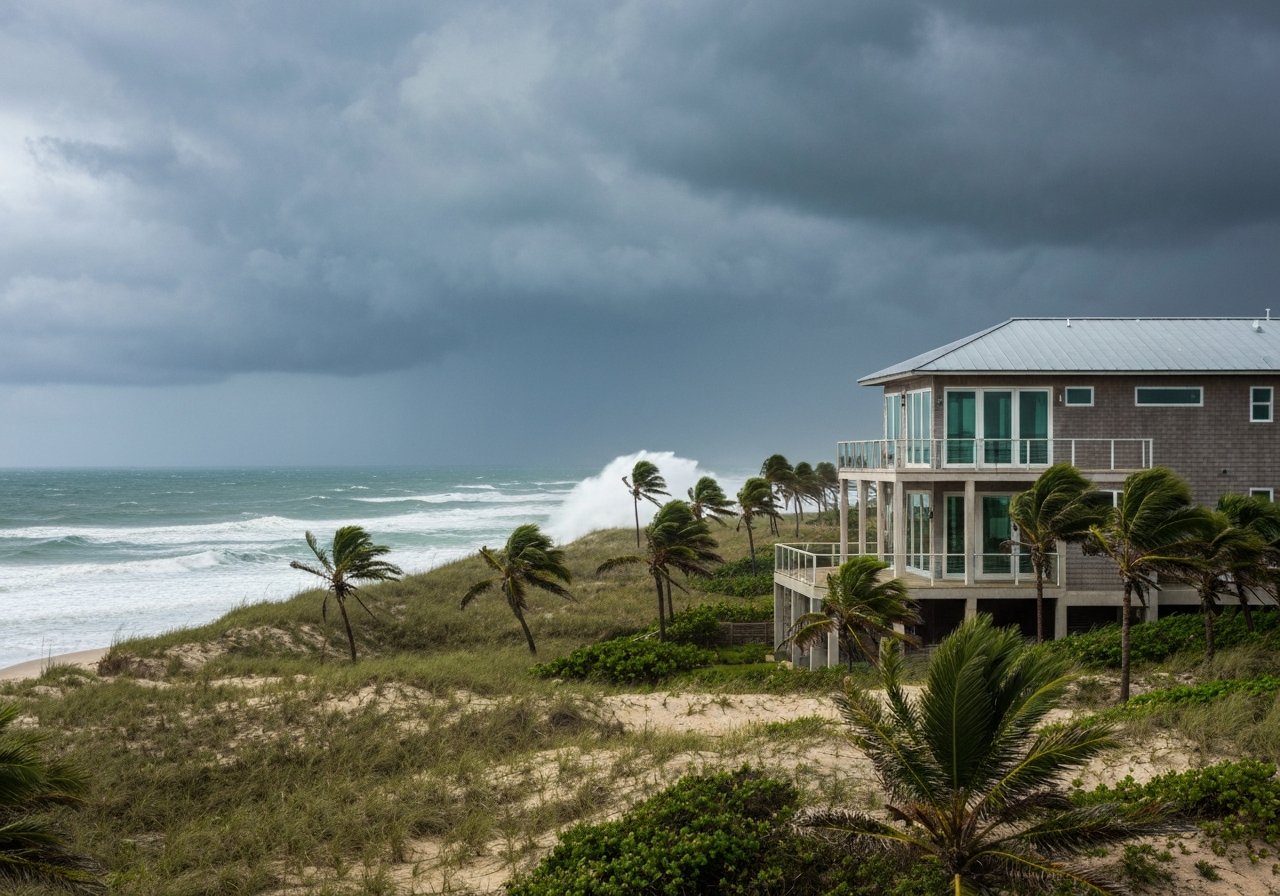
Living along the coast offers unparalleled beauty and a desirable lifestyle, but it also exposes homeowners to a distinct set of environmental challenges. Properties in these regions face a higher likelihood of encountering severe weather events, including hurricanes, tropical storms, storm surges, and extensive flooding. Unlike inland homes, coastal residences are continuously subjected to forces that can cause significant damage, leading to complex insurance needs. Effectively navigating these unique challenges necessitates a thorough Understanding Coastal Homeowners Flood and Wind Insurance.
Understanding Coastal Homeowners Flood and Wind Insurance: A Comprehensive Overview
Standard homeowners insurance policies, while comprehensive for typical perils like fire and theft, often fall short when it comes to the specific risks inherent to coastal living. Many traditional policies explicitly exclude or severely limit coverage for wind and flood damage, which are the primary threats to seaside properties. Specialized coastal homeowners insurance is designed to bridge these gaps, offering robust protection tailored to the unique vulnerabilities of homes near the water. This involves separate considerations for both flood and wind damage, often requiring distinct policies or endorsements.
Decoding Flood Insurance: What Coastal Homeowners Need to Know
Flood damage is a pervasive threat to coastal properties, and it is almost universally excluded from standard homeowners insurance. To protect against rising surface water from storm surges, heavy rainfall, or overflowing bodies of water, homeowners must acquire a separate flood insurance policy. The primary source of flood coverage in the U.S. is the National Flood Insurance Program (NFIP), managed by FEMA. However, private flood insurance options are also available, often offering higher coverage limits and additional benefits that NFIP policies might not include.
Key aspects of flood insurance for coastal homeowners include:
- NFIP vs. Private Flood Insurance: The NFIP typically covers up to $250,000 for dwelling damage and $100,000 for contents, often on an actual cash value basis for personal property. Private flood policies can offer significantly higher limits, replacement cost value for contents, and sometimes even additional living expenses (ALE) if your home becomes uninhabitable.
- Flood Zones: FEMA maps designate geographic areas by flood hazard risk. Lenders generally require flood insurance for properties located in high-risk zones (e.g., AE and VE zones). Even properties in moderate or low-risk zones (Zone X) can experience flooding, with approximately 40% of NFIP claims originating outside high-risk areas according to the National Flood Insurance Program. You can learn more about different flood zones and their implications.
- Waiting Periods: There is typically a 30-day waiting period before a new NFIP flood insurance policy becomes effective. It’s crucial to purchase coverage well in advance of hurricane season or any anticipated flood event to ensure protection.
Understanding these distinctions is vital for comprehensive coverage. Beach Insurance LLC offers various personal insurance solutions, including comprehensive homeowners insurance that can be tailored with essential flood protection.
Navigating Windstorm and Hurricane Coverage for Your Coastal Home
Wind damage from hurricanes and other severe storms is another major concern for coastal homeowners. While standard homeowners policies may cover some wind damage, properties in high-risk coastal areas often face specific exclusions or higher, separate deductibles for wind, hail, or named storms.
Hurricane Deductibles
A hurricane deductible is a distinct financial commitment that replaces your standard deductible for damages caused by a hurricane or named storm. Unlike a fixed dollar amount, it’s typically a percentage (ranging from 1% to 10%) of your home’s insured value, or dwelling coverage amount. For example, a 2% hurricane deductible on a $400,000 dwelling coverage policy would mean an $8,000 out-of-pocket expense before your insurance pays. These deductibles are common in coastal states and are triggered by specific events defined in your policy, such as when a storm is officially named or makes landfall.
Understanding how these deductibles work is crucial for managing potential out-of-pocket costs after a storm. For more detailed information, explore your guide to understanding your hurricane deductible.
Windstorm-Only Policies and Endorsements
In regions particularly prone to wind damage, insurers may exclude wind coverage from standard policies altogether, requiring homeowners to purchase a separate windstorm insurance policy or an endorsement. These policies specifically cover damage to roofs, siding, and other structural components caused by high winds. Insurers also often impose “moratoriums” on selling new windstorm policies or making changes to existing ones 24 to 48 hours before a major storm is expected, emphasizing the importance of securing coverage proactively.
Key Differences: Flood vs. Wind Damage Coverage
One of the most frequent sources of confusion and claim denials for coastal homeowners arises from distinguishing between flood and wind damage, especially during a hurricane where both forces are at play. Standard homeowners policies cover wind damage (with the application of deductibles, as discussed), but explicitly exclude flood damage.
The “proximate cause” of damage is a critical factor. For instance, if a hurricane’s wind blows out a window, allowing rain to enter and cause damage, the damage from the wind-driven rain might be covered under a wind policy (assuming an opening was created). However, if a storm surge pushes water into your home, resulting in structural damage, this would fall under flood insurance. If both wind and water contribute to damage, insurance companies will often employ forensic engineers to determine which force was the primary cause, which can significantly impact claim outcomes. This highlights the absolute necessity of having both robust flood and wind insurance policies for comprehensive protection.
Factors Affecting Your Coastal Home Insurance Premiums
Several factors influence the cost of coastal homeowners flood and wind insurance premiums:
- Location: Proximity to the shoreline, elevation, and specific flood zone designations significantly impact rates. Properties in high-risk zones will incur higher premiums.
- Home Characteristics: The age, construction materials, and structural integrity of your home play a role. Homes built with wind- and water-resistant materials may qualify for lower premiums.
- Roof Age and Type: Newer roofs, especially those with architectural shingles or metal roofs with higher wind ratings, generally lead to better pricing. Roofs older than 15 years can increase premiums and deductibles.
- Mitigation Measures: Implementing protective measures such as storm shutters, hurricane straps, or elevating essential utilities can reduce your property’s vulnerability to damage and potentially lower your premiums.
- Claims History: A history of filing claims can lead to higher premiums.
- Replacement Cost: The cost to rebuild your home at current construction costs, rather than its market value, is a key determinant. Guaranteed or extended replacement cost policies, while more expensive, offer superior protection against inflated post-disaster rebuilding costs.
Protecting Your Investment: Essential Tips for Coastal Homeowners
Securing adequate coverage is just one part of protecting your coastal home. Proactive measures can further safeguard your investment:
- Conduct a Home Inventory: Create a detailed list of all your possessions, including photos and videos, and store it in a secure, off-site location (e.g., cloud storage). This will significantly streamline the claims process if damage occurs.
- Understand Moratoriums: Be aware that insurers often impose moratoriums on binding new policies or making significant changes when a named storm is approaching. Do not wait until a hurricane is imminent to review or purchase coverage.
- Reinforce Your Home: Consider structural improvements like installing storm shutters, reinforcing your roof, or upgrading to impact-resistant windows. These measures can not only reduce damage but also potentially qualify you for insurance discounts.
- Review Your Policy Annually: Coastal risks and insurance markets can change. Regularly review your policy with your agent to ensure your coverage remains adequate and reflects any changes in your property or local regulations.
Securing Your Policy: How to Find the Right Coverage
Given the complexities of coastal property insurance, working with an experienced insurance specialist is paramount. A knowledgeable agent can help you navigate the nuances of wind and flood policies, identify appropriate coverage limits, and understand the implications of various deductibles. They can also assist in exploring options such as private flood insurance or excess liability coverage to provide truly comprehensive protection.
Your goal should be to secure a policy that adequately protects your most valuable asset against the specific risks of coastal living. Beach Insurance LLC specializes in personal insurance and can help you secure the proper coverage at a competitive price for all your personal insurance needs, including homeowners insurance.
Ready to protect your coastal home? Visit our Contact Us page to learn more about our comprehensive insurance solutions.