Protecting Your Home and Future: Understanding Homeowners Insurance Coverage and Exclusions with Beach Insurance LLC
Safeguarding your home, often your most significant asset, requires a clear understanding of its protection. This guide will navigate the complexities of homeowners insurance coverage and exclusions, ensuring you’re well-equipped to protect your property and financial future. With Beach Insurance LLC, you can gain the peace of mind that comes from comprehensive and tailored home protection.
Understanding Homeowners Insurance Coverage and Exclusions: Your Comprehensive Guide
Homeowners insurance acts as a critical financial safety net, protecting against unforeseen damages and liabilities. However, an insurance policy is a contract with specific terms, and understanding what is and isn’t covered is paramount. While insurers offer recommendations, the ultimate responsibility for choosing adequate coverage and understanding its nuances rests with the homeowner. It’s essential to differentiate between your home’s market value and its rebuilding cost, as these can vary significantly. Policies are designed to cover unexpected, sudden, and accidental losses, but they also contain specific exclusions that define the limits of that protection.
The Core of Your Policy: What Standard Coverage Provides
A standard homeowners insurance policy is a comprehensive package designed to protect various aspects of your home and personal liability. These policies typically include four essential types of coverage to safeguard your investment:
- Dwelling Coverage: This covers the physical structure of your home, including the roof, walls, and foundation, against perils listed in your policy, such as fire, windstorms, and hail. It also generally extends to structures attached to your home, like a garage or deck. Learn more about protecting your home’s structure with homeowners insurance.
- Other Structures Coverage: Detached structures on your property, such as sheds, fences, or gazebos, are typically covered, often at around 10% of your dwelling coverage limit.
- Personal Property Coverage: Your belongings, including furniture, clothing, and electronics, are covered if they are stolen or damaged by a covered peril. This coverage usually extends even when your items are off-premises, anywhere in the world. However, valuables like jewelry or fine art often have specific dollar limits and may require additional coverage through endorsements for their full value.
- Loss of Use (Additional Living Expenses – ALE): If your home becomes uninhabitable due to a covered loss, ALE coverage helps pay for the additional costs of living elsewhere temporarily, such as hotel bills, restaurant meals, and other increased living expenses while your home is being repaired or rebuilt.
- Personal Liability Coverage: This protects you against lawsuits for bodily injury or property damage that you or members of your household (including pets) accidentally cause to others. It covers legal defense costs and any court-awarded damages, up to your policy’s limits. Most policies offer a minimum of $100,000, though higher limits are often recommended for greater protection. As the Insurance Information Institute highlights, standard policies are designed to cover a broad range of typical risks.
Beyond the Standard: Enhancing Your Protection with Endorsements
While standard homeowners insurance provides a solid foundation, not all risks are covered by default. To address these gaps, insurers offer endorsements (also known as riders or add-ons) that can be added to your policy for an additional premium. A crucial real-world lesson often overlooked by homeowners is the importance of regularly reviewing and updating their policies. As noted by U.S. News & World Report, changing replacement costs can lead to underinsurance if your policy isn’t adjusted over time. This proactive review can save you from significant out-of-pocket expenses later.
Common endorsements to consider include:
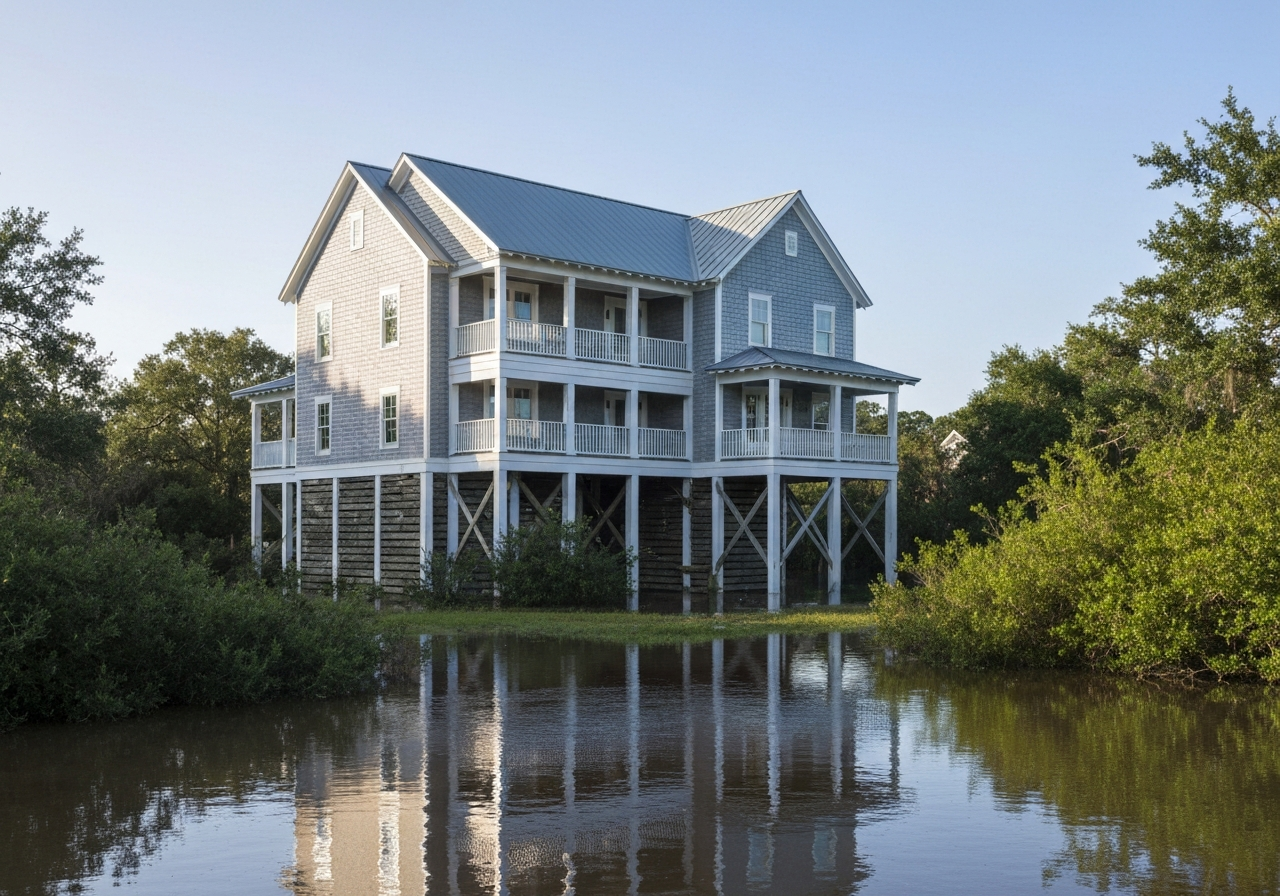
- Flood Insurance: Standard home insurance policies explicitly exclude damage from floods. Coverage is typically available through the National Flood Insurance Program (NFIP) or private insurers.
- Earthquake Insurance: Similar to floods, earthquake damage is generally excluded and requires a separate policy or endorsement.
- Scheduled Personal Property: This endorsement increases coverage for high-value items like jewelry, furs, or electronics beyond the standard limits in your policy. It often provides broader coverage for these specific items with no deductible.
- Ordinance or Law Endorsement: Building codes are updated frequently. If your home is damaged, you might be required to rebuild to new codes, which can significantly increase costs. This endorsement helps cover these additional expenses not typically included in standard dwelling coverage.
- Sewer Backup/Water Backup: Damage from backed-up sewer lines or overflowing sump pumps is often excluded but can be covered by this endorsement.
- Inflation Guard: This endorsement automatically adjusts your dwelling coverage limits at renewal to account for rising construction costs and inflation, helping to prevent underinsurance.
- Identity Theft Protection: This covers expenses related to restoring your identity if it’s stolen.
- Home-Based Business Coverage: Standard policies typically don’t cover business property or liability for home-based businesses. An endorsement can provide this specialized protection.
By understanding these options, homeowners can tailor their policies to match their specific risks and needs, preventing costly surprises down the line. As Bankrate’s insurance experts emphasize, reviewing your policy with a licensed agent is crucial as exclusions can vary between companies.
What Homeowners Insurance Doesn’t Cover: Common Exclusions
Understanding what your homeowners insurance policy explicitly excludes is as important as knowing what it covers. These exclusions are outlined in your policy documents and typically fall into categories of predictable maintenance issues, large-scale disasters, or intentional acts. Key exclusions often include:
- Floods and Earth Movement: Damage caused by natural floods, earthquakes, landslides, mudslides, and sinkholes is almost universally excluded from standard policies. Separate policies are required for these perils.
- Poor Maintenance and Neglect: Homeowners insurance is designed for sudden and accidental damage, not for issues arising from a lack of maintenance or neglect. This includes damage from termites, bedbugs, rodents, and most mold issues that develop gradually due to ongoing moisture problems. As NerdWallet explains, “You’re expected to perform basic maintenance to keep your home from slipping into disrepair.”
- Sewer Backups and Sump Pump Overflow: Unless specifically added by endorsement, damage from sewer or drain backups and sump pump failures is not covered.
- War, Nuclear Hazard, and Government Action: Losses due to acts of war (declared or undeclared), nuclear incidents, or government actions (like eminent domain or property seizure) are standard exclusions.
- Intentional Loss: Damage intentionally caused by you or a household member is not covered and can lead to insurance fraud charges.
- Certain “Attractive Nuisances” or Dog Breeds: Some insurers may exclude coverage for certain aggressive dog breeds or high-risk items like trampolines and diving boards due to their increased liability potential. ValuePenguin notes that these items can significantly impact insurance rates or even lead to denial of coverage.
- Normal Wear and Tear: The gradual deterioration of your home’s components over time is considered part of homeownership and maintenance, not a covered loss.
Navigating Policy Types: Choosing the Right Homeowners (HO) Form
Homeowners insurance policies come in various forms, each offering different levels of protection. These are standardized in the industry and typically designated as HO-1 through HO-8. Understanding these distinctions is crucial for selecting appropriate coverage. According to MoneyGeek’s research, HO-3 policies are the most common for single-family homes, accounting for about 79% of policies nationwide, balancing broad coverage with cost.
Here’s a brief overview of the most common forms:
- HO-1 (Basic Form): This is the most limited policy, covering only 10 named perils (e.g., fire, theft, vandalism). Many states no longer allow its sale due to inadequate coverage.
- HO-2 (Broad Form): This policy expands on HO-1, covering 16 named perils, including those from HO-1 plus additional risks like falling objects and damage from accidental discharge of water or steam. It covers the dwelling at replacement cost and personal belongings at actual cash value.
- HO-3 (Special Form): The most popular choice for single-family homeowners, HO-3 policies provide “open perils” coverage for the dwelling and other structures, meaning everything is covered except specifically excluded perils (like flood and earthquake). Personal property is covered for the 16 named perils.
- HO-4 (Renters Insurance): Designed for tenants, this policy covers personal belongings and liability, but not the dwelling structure itself, which is the landlord’s responsibility.
- HO-5 (Comprehensive Form): This offers the broadest coverage, providing “open perils” coverage for both the dwelling and personal property. It typically includes higher limits for valuable items.
- HO-6 (Condominium Insurance): Tailored for condo owners, HO-6 policies cover personal belongings, improvements within the unit, and liability. The condo association’s master policy usually covers the building’s structure and common areas.
- HO-7 (Mobile Home Insurance): This policy is specifically for mobile and manufactured homes, offering coverage similar to an HO-3 policy.
- HO-8 (Modified Coverage Form): Designed for older or historic homes where replacement costs might exceed market value, HO-8 typically covers named perils and pays claims based on actual cash value.
Choosing between these forms depends on your property type, risk tolerance, and desired level of protection. Consulting with an insurance professional is crucial to align your policy with your specific needs. As South Carolina’s Department of Insurance outlines, selecting the right policy type is essential for safeguarding your dwelling and belongings.
Partnering with Beach Insurance LLC for Personalized Home Protection
Navigating the various homeowners insurance coverage and exclusions can be complex. That’s where Beach Insurance LLC comes in. We pride ourselves on offering personalized service to help you understand your unique risks and tailor an insurance program that fits your specific needs. Whether you’re insuring your primary residence or exploring insurance for investment properties, our experienced team will research coverage options and propose company products that provide optimal protection at a competitive price.
Our goal is to ensure you and your family are adequately protected if an unfortunate event occurs, preventing immeasurable financial and mental burdens. We strive to build long-term relationships by offering the advice and guidance our customers expect and deserve. For comprehensive protection of your assets, explore our full range of personal insurance services.
Frequently Asked Questions About Homeowners Insurance
Here are some common questions about homeowners insurance:
How much homeowners insurance do I need for my home’s structure?
You need enough coverage to rebuild your home at current construction costs, not necessarily its market value or purchase price. Factors like local construction costs, square footage, and building materials influence this amount. Many insurers offer tools to help estimate this, and consulting with an independent agent or local builder for an accurate estimate is advisable. The Insurance Information Institute provides guidance on determining how much homeowners insurance you need.
Does homeowners insurance cover everything?
No, homeowners insurance policies do not cover everything. They typically exclude damage from floods, earthquakes, normal wear and tear, and issues arising from neglect. You can often purchase endorsements or separate policies for these specific risks.
What is the difference between Actual Cash Value (ACV) and Replacement Cost Value (RCV)?
Actual Cash Value (ACV) pays the cost to replace damaged items minus depreciation (the decrease in value due to age and wear and tear). Replacement Cost Value (RCV) pays the cost to replace damaged items with new, similar quality items, without deducting for depreciation. RCV generally provides more comprehensive coverage for personal property, though it often comes with a higher premium. Dwelling coverage usually defaults to RCV, while personal property may default to ACV unless upgraded.
Is personal liability coverage included in homeowners insurance?
Yes, personal liability coverage is a standard part of homeowners insurance. It covers legal expenses if you or a household member are sued for injuries or property damage caused to others.
What should I do if I need to file a homeowners insurance claim?
Contact your insurance company’s claims department as soon as possible after an incident. Provide detailed information about the damage and circumstances. An adjuster will assess the damage to determine coverage. Once approved, you will typically be responsible for paying your deductible before the insurance payout.
Ready to secure your home? Visit our Contact Us page to get started with Beach Insurance LLC.