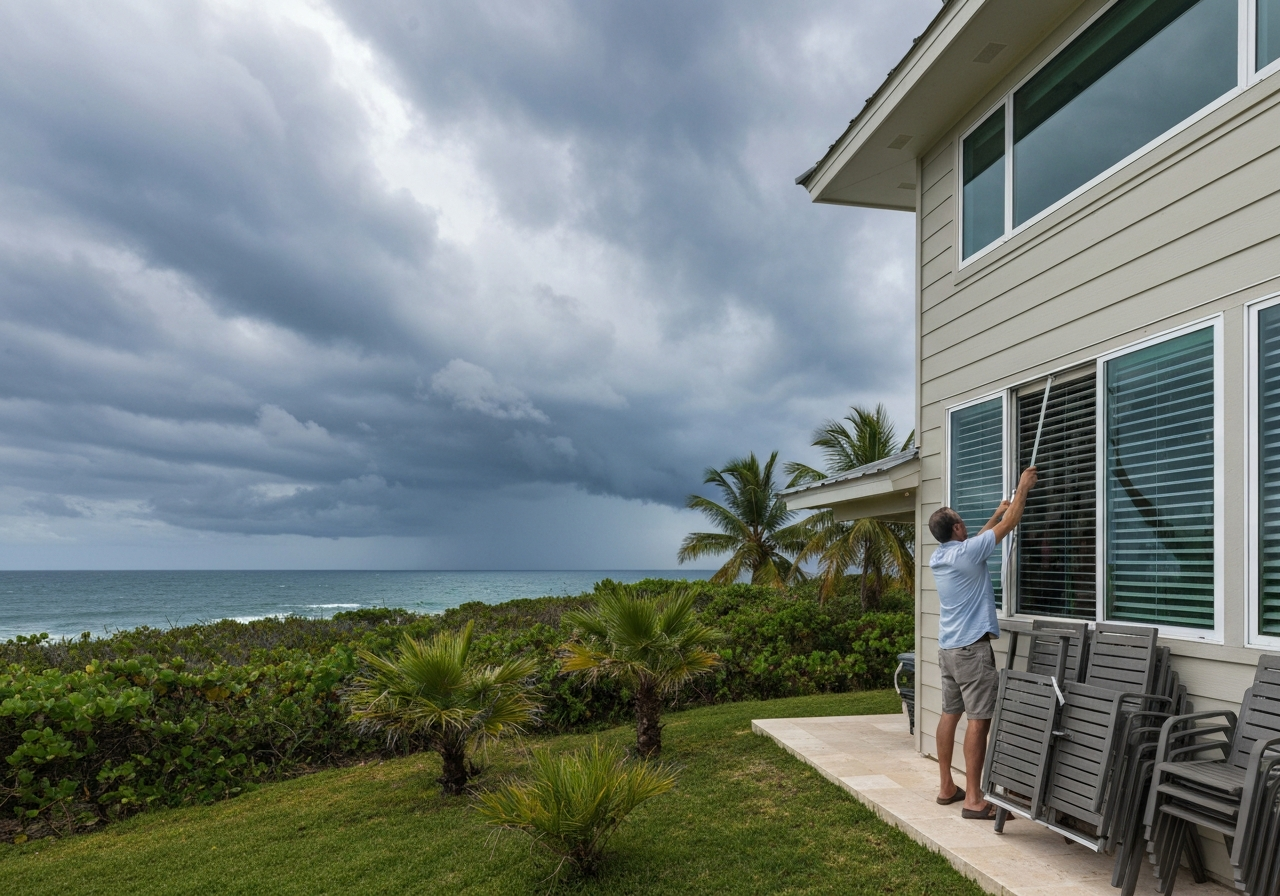
Introduction: Preparing for Hurricane Season in the USA
As hurricane season approaches each year, it brings with it the potential for significant disruption and damage across the United States, particularly along the Atlantic and Gulf Coasts. Running officially from June 1st to November 30th, this period demands proactive preparation from homeowners. Understanding and implementing essential hurricane preparedness tips for homeowners is not just about safeguarding property; it’s about ensuring the safety and well-being of your family.
Why Hurricane Preparedness is Crucial for Homeowners
Hurricanes are among nature’s most powerful and destructive forces, characterized by high winds, torrential rains, and dangerous storm surges. Even a seemingly minor hurricane can cause extensive damage, leading to prolonged power outages, widespread flooding, and structural compromise to homes. For homeowners, the stakes are exceptionally high, as property damage can result in significant financial burdens and emotional stress. Proactive preparation helps mitigate these risks, potentially saving lives and minimizing losses.
Key Pre-Storm Actions: Essential hurricane preparedness tips for homeowners
Before a hurricane threatens, there are several critical actions homeowners should take to bolster their defenses. These essential hurricane preparedness tips for homeowners are designed to streamline your efforts and maximize safety.
- Assemble an Emergency Kit: Gather non-perishable food, water (one gallon per person per day for at least three days), medications, flashlights, batteries, a battery-powered or hand-crank radio, first-aid supplies, and personal hygiene items. Remember to include supplies for pets and any special needs family members. More details can be found on the Red Cross hurricane preparedness page.
- Develop a Family Emergency Plan: Discuss with your family how you will contact each other, where you will go if separated, and what you will do in an emergency. Designate an out-of-town contact person. The National Weather Service provides guidance on creating such a plan.
- Review Your Insurance Policies: Before hurricane season begins, examine your homeowner’s insurance and flood insurance policies to understand your coverage, including deductibles and exclusions. This critical step ensures you have adequate protection.
- Document Your Property: Take photographs or videos of your home’s interior and exterior, including valuables. This documentation is invaluable for insurance claims after a storm, as suggested by resources like Congressman Buchanan’s hurricane readiness guide.
Strengthening Your Home’s Structure: Roof, Doors, and Foundation
Protecting the structural integrity of your home is paramount. Weak points in your roof, doors, and foundation can become catastrophic vulnerabilities during a hurricane.
- Roof Reinforcement: Inspect your roof for loose or missing shingles and make any necessary repairs. Consider reinforcing your roof with hurricane straps or clips, which help secure the roof to the walls. Sealing any gaps or cracks around chimneys, skylights, and vents is also crucial to prevent water intrusion, as detailed in comprehensive guides on hurricane preparedness.
- Window and Door Protection: Install storm shutters on all windows and glass doors, or have pre-cut plywood panels ready to secure them. For enhanced protection, consider impact-resistant glass. Ensure all entry doors are solid and equipped with heavy-duty deadbolts, and if possible, install door braces. Garage doors are often the most vulnerable point; consider reinforcing them with a vertical bracing kit. The NOAA emphasizes strengthening your home.
- Foundation and Exterior Walls: Inspect your home’s foundation for cracks and ensure proper drainage around the perimeter to prevent water from pooling, which can lead to flooding or structural damage.
Securing Your Property’s Exterior: Yard, Windows, and Outbuildings
Your outdoor property can become a source of dangerous projectiles during high winds. Securing these elements is a vital part of hurricane preparedness.
- Clear Your Yard: Before a storm hits, bring inside all outdoor furniture, decorations, potted plants, garbage cans, and anything else that could be picked up by strong winds. Anchor large items like barbecue grills or sheds if they cannot be moved indoors.
- Trim Trees and Shrubs: Regularly prune trees and remove dead or weak branches that could fall on your home, vehicles, or power lines. If you have large, unstable trees, consider having them professionally removed. This advice is consistent across many guides, including the Red Cross.
- Clean Gutters and Drains: Ensure all gutters, downspouts, and storm drains are free of debris. This allows water to flow freely away from your home, preventing accumulation and potential flooding around the foundation.
Developing Your Family’s Hurricane Evacuation and Emergency Plan
A comprehensive family plan outlines how to stay safe, whether evacuating or sheltering in place.
- Know Your Evacuation Zone and Routes: Determine if your home is in a hurricane evacuation zone. Plan at least two different routes out of your area in case one is blocked. Local emergency management websites often provide evacuation maps and guidance.
- Establish a Communication Strategy: Beyond a physical meeting point, set up a family group chat for updates, and designate an out-of-town contact. Text messages often work when phone lines are overloaded. Keep a written list of important phone numbers.
- Plan for Pets: Many emergency shelters do not accept pets. Identify pet-friendly accommodations or make arrangements with friends or family outside the evacuation zone. Prepare a separate emergency kit for your pets. The CDC offers guidance on pet safety during emergencies.
- Sheltering-in-Place: If you are not in an evacuation zone, identify a safe interior room on the lowest floor of your home, away from windows, to take shelter during the storm.
Understanding Your Home Insurance and Flood Coverage Before a Storm
Financial preparedness is as crucial as physical preparation. Understanding your insurance policies is key to recovering efficiently after a hurricane.
- Review Homeowners Insurance: Standard homeowners insurance policies generally cover wind damage from hurricanes, but it’s vital to confirm. Pay close attention to your hurricane deductible. Unlike a standard deductible, this is often a percentage (e.g., 2% or 5%) of your home’s insured value, which can amount to a substantial out-of-pocket expense. Beach Insurance LLC can help clarify these details.
- Flood Insurance: A critical real-world lesson often overlooked is that standard homeowners insurance typically does NOT cover flood damage. You need a separate flood insurance policy, available through the National Flood Insurance Program (NFIP) or private insurers. There’s usually a 30-day waiting period for flood insurance to take effect, so don’t wait until a storm is imminent. More information on comprehensive protection can be found at Beach Insurance LLC’s homeowners insurance page.
- Document Possessions: Maintain a detailed inventory of your belongings, including receipts and photographs. This will expedite the claims process if items are damaged or lost.
Post-Hurricane Steps: Safety, Damage Assessment, and Insurance Claims
After the storm has passed, caution remains essential. The aftermath can still pose significant risks, and a systematic approach to recovery is vital.
- Prioritize Safety: Do not return home until local officials declare it safe. Be wary of downed power lines, which can be live and dangerous, and avoid walking or driving through flooded areas, as floodwaters can hide debris, chemicals, or even active electrical currents. Check your home for unstable structures before entering, as advised by InterNACHI.
- Document Damage Thoroughly: Before beginning any cleanup or temporary repairs, take extensive photographs and videos of all damage, both interior and exterior. This detailed documentation is crucial for your insurance claim. Create a comprehensive inventory of damaged items.
- Contact Your Insurer and File a Claim: Report damage to your insurance provider as soon as possible. Beach Insurance LLC has a dedicated page for reporting claims, which can streamline the process. Keep detailed records of all communications with your insurance company, including dates, names, and discussions.
- Temporary Repairs: Make necessary temporary repairs to prevent further damage, such as covering a broken window or tarping a damaged roof. Keep all receipts for these expenses, as they may be reimbursable by your insurance policy.
Partnering with Beach Insurance LLC for Comprehensive Protection
Navigating the complexities of hurricane season requires more than just physical preparations; it demands a robust insurance strategy tailored to your specific needs. Beach Insurance LLC is dedicated to providing homeowners with comprehensive coverage and expert guidance. From understanding the nuances of your hurricane deductible to ensuring you have adequate homeowners and flood insurance, our team is here to help you safeguard your most valuable asset. We aim to offer peace of mind, allowing you to face hurricane season with confidence, knowing you have a trusted partner in protecting your home and family.
Ready to ensure your home is fully protected this hurricane season? Contact Beach Insurance LLC today for personalized guidance and comprehensive coverage!