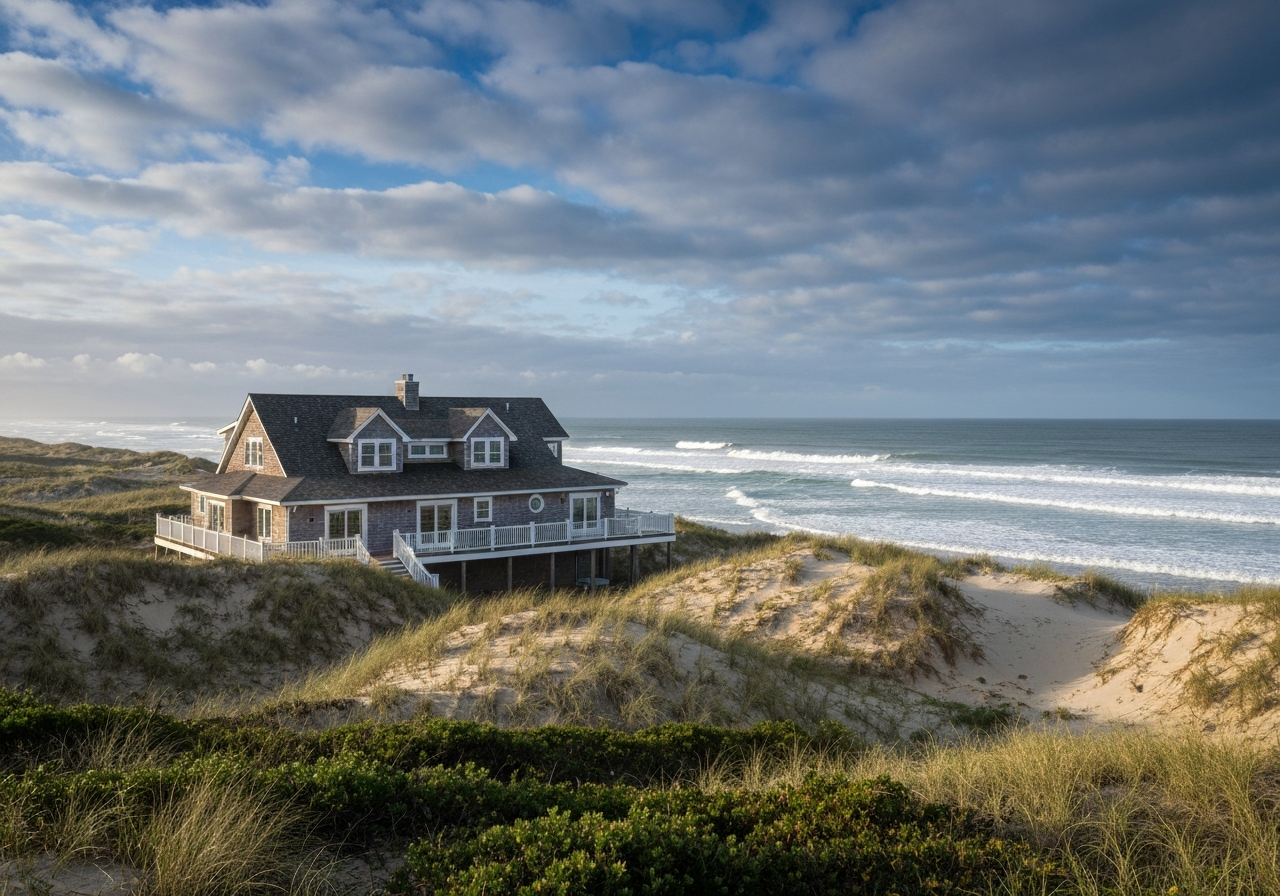
Introduction: Safeguarding Your Coastal Home Against Storms
Living in coastal regions offers unique joys, but it also comes with the inherent risk of severe weather events, particularly hurricanes and powerful windstorms. For homeowners in these areas, understanding your insurance policy’s specific terms is not just important; it’s critical. A key aspect often overlooked until disaster strikes involves hurricane and windstorm deductibles. These specialized deductibles can significantly impact your out-of-pocket expenses following storm damage, making financial preparedness paramount. This guide will demystify these crucial insurance components, providing you with the knowledge to protect your coastal home effectively.
Understanding Insurance Deductibles: The Basics
At its core, an insurance deductible is the amount of money you, the policyholder, are responsible for paying toward a covered loss before your insurance company begins to pay. For most standard homeowners insurance claims, like those resulting from fire or theft, you’ll typically encounter a fixed dollar deductible (e.g., $500 or $1,000). This is a straightforward amount you pay out-of-pocket. However, when it comes to perils like hurricanes and windstorms, especially in vulnerable coastal zones, the deductible structure often changes dramatically.
Protecting Your Property: Demystifying Hurricane and Windstorm Deductibles
Hurricane and windstorm deductibles are distinct from standard deductibles. They were widely adopted by insurers after catastrophic events like Hurricane Andrew in 1992 and Hurricane Katrina in 2005 highlighted the immense financial exposure in hurricane-prone areas. These specialized deductibles serve as a risk-sharing mechanism, allowing insurers to manage potential losses and keep premiums more affordable for homeowners in high-risk zones. While a standard deductible is usually a fixed dollar amount, hurricane and windstorm deductibles are almost always calculated as a percentage of your home’s insured value (the dwelling coverage amount), ranging typically from 1% to 5%, but can be higher in some vulnerable areas.
It’s important to distinguish between the types of wind-related deductibles:
- Windstorm or Wind/Hail Deductible: This deductible applies to any damage caused by wind or hail, irrespective of whether it’s from a named storm or a non-hurricane wind event.
- Named Storm Deductible: This applies to damage from weather events officially named by the National Weather Service (NWS) or U.S. National Hurricane Center (NHC), including hurricanes, tropical storms, and tropical cyclones.
- Hurricane Deductible: This specifically applies to damage caused by storms officially declared as hurricanes by the NWS or NHC.
Knowing which type of deductible your policy includes is essential, as it dictates when and how much you will pay out-of-pocket.
How Hurricane Deductibles Work: Triggers, Percentages, and Impact on Your Wallet
The application of a hurricane deductible is activated by a “trigger event” explicitly defined within your insurance policy. These triggers can vary significantly by state and even by insurer, but common scenarios include:
- The issuance of a hurricane watch or warning by the National Hurricane Center (NHC).
- The time a hurricane makes landfall.
- The point at which a storm is declared a hurricane by the NHC, often based on sustained wind speeds (e.g., 74 mph or greater).
The deductible period also has a defined end, typically ranging from 24 to 72 hours after the last hurricane watch or warning expires, or after the storm is downgraded. As of recent data, nineteen states and the District of Columbia utilize some form of hurricane or named storm deductible.
Calculating Your Hurricane Deductible
Since these deductibles are percentage-based, their impact on your finances can be substantial. Here’s how it generally works:
If your home’s dwelling coverage is $350,000 and your hurricane deductible is 2%, your out-of-pocket expense would be:
$350,000 (Dwelling Coverage) x 0.02 (2% Deductible) = $7,000
This means you would be responsible for the first $7,000 of covered hurricane damages before your insurance company contributes. This amount is considerably higher than a typical fixed-dollar deductible, underscoring the necessity of setting aside sufficient funds to cover this potential cost.
In some states, like Florida, rules may specify that you only pay your hurricane deductible once per calendar year, even if multiple hurricanes strike, provided you remain with the same insurer. However, if you switch providers mid-year, the deductible may reset, applying in full to subsequent claims. This highlights the importance of understanding the fine print on your declarations page and consulting with your agent.
State-Specific Insights: Hurricane Deductibles in South Carolina and North Carolina
Coastal residents in both South Carolina and North Carolina face specific regulations regarding hurricane and windstorm deductibles. These states are frequently impacted during hurricane season, making localized knowledge crucial.
South Carolina
In South Carolina, insurers are mandated to notify residential property policyholders if their policy contains a separate deductible for hurricane, named storm, or wind/hail damage. This notification must include a practical example illustrating how the deductible functions for a policy valued at $100,000, along with a clear explanation of the event that triggers the deductible. The South Carolina Wind and Hail Underwriting Association (Wind Pool) operates in certain coastal areas, providing coverage for windstorm and hail damage for properties unable to find coverage elsewhere.
North Carolina
North Carolina also employs hurricane deductibles, particularly in its vulnerable coastal counties. The North Carolina Joint Underwriting Association (FAIR Plan) and the Coastal Property Insurance Pool (CPIP) are key entities providing residential and commercial property windstorm coverage in eligible coastal regions. While specific trigger events and deductible percentages can vary by insurer, it’s common to see deductibles around 1% of the insured value in these areas. Homeowners in North Carolina should thoroughly review their policies and consider options to mitigate wind damage, which can sometimes lead to premium discounts.
It’s always recommended to discuss specific policy details and available options with your insurance provider, as state regulations and insurer offerings can evolve.
Beyond the Deductible: Comprehensive Coastal Home Protection Strategies
While understanding your percentage deductible is crucial, it’s just one piece of a comprehensive protection strategy for coastal homeowners. Here are other vital considerations:
- Flood Insurance: Standard homeowners insurance policies typically do not cover flood damage, which is a significant threat during hurricanes due to storm surges and heavy rainfall. A separate flood insurance policy, often available through the National Flood Insurance Program (NFIP) or private insurers, is essential for complete protection.
- Home Fortification: Investing in hurricane-resistant upgrades, such as storm shutters, reinforced roofs, and impact-resistant windows, can significantly reduce potential damage and may even qualify you for insurance premium discounts in some states.
- Home Inventory: Maintain an up-to-date home inventory of your possessions. This detailed list, ideally with photos or videos, can significantly expedite the claims process if your belongings are damaged or destroyed.
- Loss of Use Coverage: This part of your homeowners policy covers additional living expenses (e.g., hotel stays, temporary rentals, extra food costs) if your home becomes uninhabitable after a covered event. Ensure your policy provides adequate coverage for this.
- Review Policy Regularly: Insurance needs can change. Regularly review your policy with your agent, especially after home renovations or if there are significant changes in your property’s value or local regulations.
Proactive measures and a thorough understanding of your policy’s various coverages provide the strongest defense against the financial repercussions of a hurricane.
Partnering with Beach Insurance LLC for Peace of Mind
Navigating the complexities of homeowners insurance, especially concerning hurricane and windstorm deductibles, requires expertise. For coastal residents, understanding your policy is the first step toward true peace of mind. Beach Insurance LLC is committed to being your trusted partner, helping you decipher every detail of your homeowners insurance policy. We ensure you have the appropriate coverage tailored to your specific needs in hurricane-prone areas. With our local knowledge and dedication, we strive to safeguard your most valuable asset, empowering you to face hurricane season with confidence and preparedness.
Have questions about your hurricane deductible or need personalized advice? Visit our Contact Us page to connect with Beach Insurance LLC today.