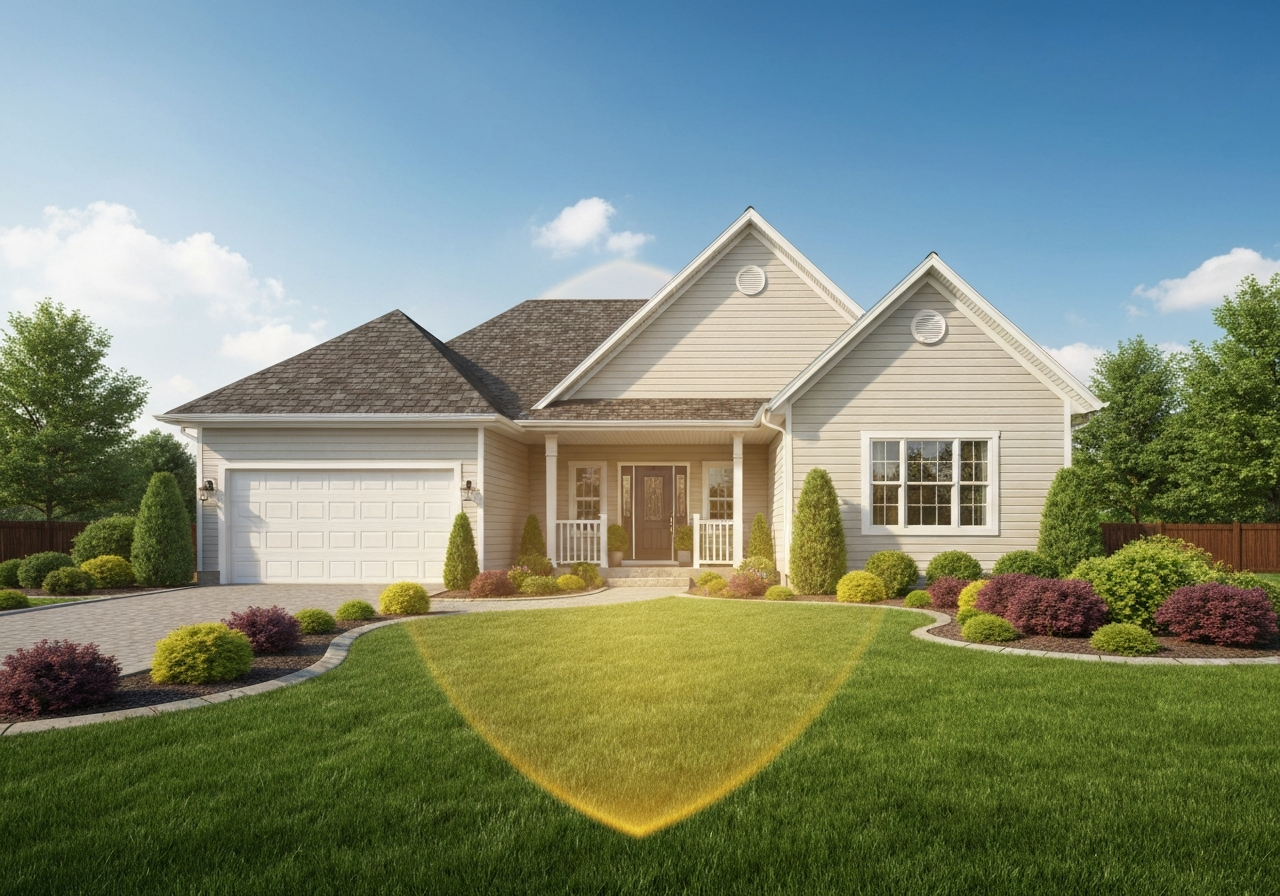
Understanding the Value of Protecting Your Home
Your home represents more than just a dwelling; it’s often your most significant financial asset and a sanctuary for your family. Protecting this invaluable investment is paramount, which underscores the profound importance of homeowners insurance. This essential coverage acts as a financial safeguard, shielding you from unforeseen events that can cause damage or loss. From natural disasters to unexpected accidents, homeowners insurance provides the security needed to rebuild, repair, and recover without facing devastating out-of-pocket expenses. Mortgage lenders almost universally require homeowners to secure adequate insurance to protect their investment, making it a critical step in homeownership.
The Undeniable importance of homeowners insurance for Every Homeowner
For every homeowner, the undeniable importance of homeowners insurance cannot be overstated. It offers a crucial safety net against a myriad of perils that could otherwise jeopardize your financial stability. Imagine a sudden fire, a severe storm, or an unexpected theft; without proper coverage, the costs of repairing or replacing your home and belongings could be catastrophic. Homeowners insurance extends beyond just physical damage; it also provides vital liability protection. This means if someone is injured on your property, your policy can help cover legal fees and medical expenses, preventing potentially ruinous lawsuits. The financial peace of mind that comes with knowing your most valuable asset is protected is truly invaluable.
Key Coverages Your Homeowners Policy Offers
A standard homeowners insurance policy is structured with several key components, each designed to protect different aspects of your property and personal finances. Understanding these coverages is fundamental to ensuring you have comprehensive protection. The main areas typically include:
- Dwelling Coverage: This covers the physical structure of your home, including the roof, walls, and foundation, against covered perils like fire, wind, and hail. It’s designed to pay for the cost to repair or rebuild your home.
- Other Structures Coverage: This extends protection to detached structures on your property, such as sheds, fences, and detached garages. Typically, this coverage is a percentage of your dwelling coverage.
- Personal Property Coverage: Your belongings inside and sometimes outside your home, including furniture, electronics, and clothing, are protected against theft or damage from covered events. Policies can cover items based on their actual cash value (depreciated value) or replacement cost (new item value).
- Loss of Use (Additional Living Expenses): If a covered event makes your home uninhabitable, this coverage helps pay for temporary living expenses such as hotel stays, restaurant meals, and other necessary costs while your home is being repaired.
- Personal Liability Coverage: This protects you financially if you or a member of your household (including pets) is found responsible for causing bodily injury or property damage to others. It can cover legal defense costs and settlement amounts.
- Medical Payments Coverage: This pays for medical expenses for guests injured on your property, regardless of who is at fault, up to a specified limit.
When selecting a policy, consider whether replacement cost coverage for personal property is worthwhile, as it can offer a more robust recovery after a loss compared to actual cash value policies.
Protecting Against Specific Risks: Fire, Storms, and Liability
Homeowners insurance plays a critical role in mitigating the impact of various specific risks, from widespread natural disasters to individual liability incidents. Understanding how your policy addresses these challenges is vital.
Fire Damage
Fire is a devastating peril, and standard homeowners insurance policies generally provide coverage for damage to your home and belongings caused by accidental fires. This includes coverage for the structure, personal property, and additional living expenses if your home becomes uninhabitable. However, it’s crucial to be aware of exclusions. Policies typically do not cover damage resulting from intentional fires (arson), gross negligence, or fires in unoccupied residences if not disclosed to the insurer. In areas prone to wildfires, specialized wildfire endorsements or separate policies may be necessary, as standard coverage might have limitations.
Storms and Natural Disasters
Most standard policies cover damage from common perils like windstorms and hail. However, natural disasters such as floods and earthquakes are typically excluded and require separate policies or endorsements. For homeowners in coastal regions, understanding your hurricane deductible is particularly important. Unlike standard deductibles, hurricane deductibles are often a percentage of your home’s insured value, which can result in significant out-of-pocket costs after a named storm.
Liability Protection
The liability component of your homeowners policy extends protection far beyond the physical structure of your home. It covers situations where you, a family member, or even your pet, are legally responsible for causing bodily injury or property damage to others. For example, if a visitor slips on your icy sidewalk, your liability coverage could help pay for their medical expenses and legal defense if a lawsuit ensues. This coverage is essential for protecting your assets from unforeseen personal liability claims.
Factors That Influence Your Homeowners Insurance Premiums
The cost of your homeowners insurance premium is not static; it’s influenced by a complex interplay of factors that insurance companies use to assess risk. Understanding these elements can help you make informed decisions and potentially manage your costs:
- Location of Your Home: Proximity to fire stations and hydrants, local crime rates, and susceptibility to natural disasters (e.g., hurricanes, tornadoes, wildfires) significantly impact premiums. Homes in high-risk areas generally face higher rates.
- Age and Condition of Your Home: Older homes may have outdated electrical, plumbing, or roofing systems, increasing the likelihood of claims and thus higher premiums. Newer homes, especially those with modern construction and safety features, often qualify for discounts.
- Construction Materials: The type of materials used in your home’s construction (e.g., brick vs. wood frame) affects its resistance to perils like fire and wind, influencing insurance costs.
- Claims History: Both your personal claims history and the claims history associated with your specific property can impact your rates. Multiple past claims often lead to higher premiums.
- Deductible Amount: Choosing a higher deductible—the amount you pay out-of-pocket before your insurance kicks in—will generally result in lower annual premiums. However, this means you assume more financial responsibility in the event of a claim.
- Policy Limits and Endorsements: Higher coverage limits and the addition of specialized endorsements for risks like water backup or scheduled personal property will increase your premium.
- Home Protective Systems: Installing safety features such as burglar alarms, smoke detectors, sprinkler systems, and deadbolt locks can often qualify you for premium discounts.
- Presence of “Attractive Nuisances”: Features like swimming pools or trampolines can increase your liability risk, potentially leading to higher insurance costs. Some insurers may even decline coverage or require specific safety measures.
- Pet Breeds: Certain dog breeds are sometimes associated with higher liability risks, which can affect your insurance rates or eligibility with some providers.
Regularly reviewing your policy and making home improvements can sometimes lead to reduced premiums, as discussed by AAA Connect and Bankrate.
Choosing the Right Homeowners Policy with Beach Insurance LLC
Selecting the ideal homeowners insurance policy requires careful consideration of your unique needs and property characteristics. With various policy types available, finding the right fit is crucial for adequate protection. Common policy forms include HO-1 (basic), HO-2 (broad), HO-3 (special form and most popular), HO-5 (comprehensive), HO-6 (condo), and HO-8 (older homes with unique features). Each offers different levels of coverage and peril protection, as detailed by South Carolina’s Department of Insurance. For instance, an HO-3 policy typically covers your dwelling for all perils not specifically excluded, while personal property is covered for named perils.
Beach Insurance LLC understands that every home and homeowner is different. Our team of experts is dedicated to helping you navigate these complexities, tailoring a policy that precisely meets your requirements. Whether you’re in Huntersville or North Myrtle Beach, we are committed to providing personalized service and expert advice to secure the optimal coverage for your home and assets. We ensure you understand the nuances of your policy, including the specific coverages and any endorsements that might enhance your protection.
Secure Your Future: Peace of Mind with Comprehensive Home Coverage
Ultimately, comprehensive homeowners insurance provides more than just financial compensation; it offers invaluable peace of mind. Knowing that your home, belongings, and financial well-being are protected against a wide range of unforeseen events allows you to live with confidence. The long-term security provided by a robust policy from a trusted provider like Beach Insurance LLC ensures that you are prepared for whatever challenges may arise. It’s an investment in your future, safeguarding your most significant asset and enabling you to quickly recover and rebuild after a loss, maintaining the stability and comfort of your home life.
Ready to secure your home with comprehensive coverage? Visit our Contact Us page today to get started with Beach Insurance LLC.