Beyond the Obvious – Protecting Your Home from Hidden Risks
As a homeowner, your property is more than just a place to live; it’s a significant investment and a source of security. While many owners are diligent about safeguarding against apparent threats like fire or theft, there are many common liabilities most homeowners forget about. These often-overlooked risks can lead to unexpected financial burdens and legal complications if not properly addressed. Understanding these less obvious liabilities is crucial for comprehensive home protection and ensuring peace of mind.
Understanding the Common Liabilities Most Homeowners Forget About
Homeownership comes with an inherent set of responsibilities, and some liabilities are more apparent than others. Beyond the standard perils, numerous scenarios can expose you to financial and legal risks. These include situations where a guest is injured on your property, damage caused by pets, or issues stemming from poorly maintained structures or landscaping. Personal liability coverage within your homeowners insurance policy is designed to protect you from these unexpected events. It typically covers legal fees and damages if you’re found responsible for someone else’s injury or property damage.
It’s vital to recognize that your homeowners insurance policy has specific limitations and exclusions. For example, while it covers liability for injuries on your property, it generally won’t cover injuries to household members or intentional harm you cause. Furthermore, certain high-risk items or activities might require additional coverage or endorsements to ensure complete protection. Being proactive in identifying and mitigating these often-forgotten risks is the first step toward securing your home and financial well-being.
Backyard Blunders: The Liability Risks of Pools, Hot Tubs, and Play Equipment
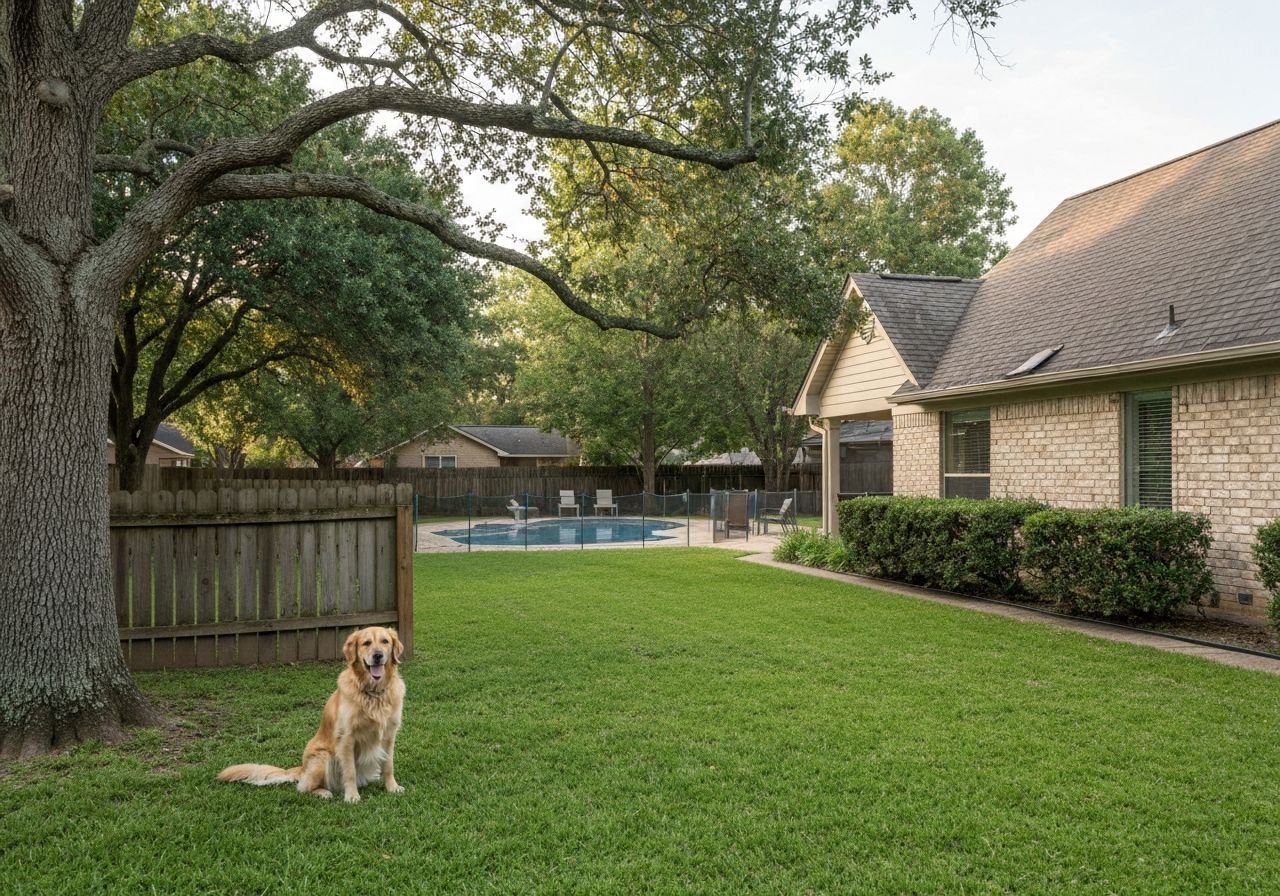
A backyard oasis, complete with a swimming pool, hot tub, or play equipment, can be a source of endless enjoyment. However, these features also introduce significant liability risks that homeowners often underestimate. Accidents, such as slips, falls, or even drowning, can occur, potentially leading to costly lawsuits. In fact, pools are considered one of the biggest backyard liabilities, with tragic drowning incidents and diving-related injuries reported annually.
To mitigate these risks, it’s essential to implement stringent safety measures:
- Pools and Hot Tubs: Ensure the area is securely fenced with self-closing and self-latching gates. Consider installing safety covers and alarms to prevent unauthorized access. Always supervise children and educate everyone on safe diving practices. Your homeowners insurance provider will likely recommend or even require increased liability coverage if you have a pool or hot tub, as these are often classified as attractive nuisances.
- Trampolines and Play Equipment: These popular items are frequent sources of injury claims, including falls, collisions, and entrapment. Regular maintenance, proper installation of safety nets and padding, and diligent supervision are critical. Some insurers may even exclude trampolines from standard homeowners policies due to their high-risk nature.
For more insights into securing your backyard and understanding related liabilities, resources like AAA’s guide on backyard liabilities offer valuable advice.
Furry Friends and Legal Woes: Pet-Related Liabilities for Homeowners
Pets are cherished family members, but they can also be a source of significant liability for homeowners. Dog bites are a common cause of liability claims against homeowners, and the financial repercussions can be substantial, with the average cost per claim reaching tens of thousands of dollars. Even if your pet has never shown aggression, accidents can happen.
Most homeowners insurance policies include liability coverage that extends to damages or injuries caused by your pets to other people or their property. However, there are crucial nuances:
- Breed Restrictions: Some insurance companies may exclude certain dog breeds deemed “dangerous” (e.g., Pit Bulls, Rottweilers, German Shepherds) or charge higher premiums. It’s essential to disclose your pet’s breed to your insurer.
- Bite History: A history of biting can significantly impact your coverage options, potentially leading to denial of coverage or increased rates.
- On-Property vs. Off-Property: Generally, your homeowners policy can cover dog bites that occur both on and off your property, provided you are deemed at fault.
To minimize pet-related liabilities, proper training, socialization, and secure containment are vital. Always be aware of your pet’s behavior and avoid situations that might provoke aggression. Reviewing your policy and discussing your pets with your insurance agent is crucial to ensure adequate protection. Resources from organizations like Experian and Quicken Loans provide further details on homeowners liability insurance and pets, including specific information on homeowners insurance and dogs.
Nature’s Nuisance: Trees, Landscaping, and Property Damage Liability
Trees and landscaping enhance a home’s curb appeal, but they can also present unforeseen liabilities. Overhanging branches, dead or diseased trees, and even routine tree maintenance can lead to property damage or personal injury. If a tree from your property falls and damages a neighbor’s house or causes injury, who is responsible?
The answer often hinges on negligence. If a healthy tree falls due to a natural event like a storm, your neighbor’s homeowners insurance typically covers their damages. However, if the tree was dead, diseased, or poorly maintained, and you were aware of the hazard but failed to act, you could be held liable. Your liability coverage within your homeowners policy would then come into play to cover your neighbor’s repairs or medical expenses.
Homeowners insurance generally covers tree damage to your own property if the tree falls due to a covered peril (e.g., windstorm, lightning, weight of snow/ice). Coverage for tree removal is usually included if the tree damages a covered structure or blocks access to your driveway. However, removal of a tree that falls without causing damage is typically your responsibility. Bankrate provides further details on homeowners insurance and fallen trees.
Proactive tree care is essential to prevent such incidents. Regularly inspect your trees for signs of disease, decay, or instability. Consult with an arborist for professional assessments and necessary trimming or removal. This not only protects your property and neighbors but can also help maintain affordable insurance premiums.
The Cost of Procrastination: Liabilities Arising from Neglected Home Maintenance
Neglecting routine home maintenance might seem harmless in the short term, but it can evolve into significant liabilities and costly problems down the line. Homeowners insurance policies often exclude damages caused by negligence or lack of maintenance. This means if a problem escalates due to your failure to address it, your insurer may deny the claim, leaving you responsible for the full cost of repairs.
Examples of neglected maintenance that can lead to uninsured issues include:
- Water Damage: Unrepaired leaky pipes, clogged gutters, or a failing roof can lead to extensive water damage, mold growth, and structural issues. While sudden pipe bursts are often covered, gradual leaks due to lack of upkeep may not be.
- Structural Integrity: Deteriorated decks, loose railings, or cracked pathways can pose slip-and-fall hazards for guests, leading to liability claims.
- Pest Infestations: Ignoring signs of termites or other pests can result in severe structural damage, which is typically not covered by standard policies.
Regular maintenance is not just about aesthetics; it’s a critical aspect of risk management. Understanding what constitutes neglect in the eyes of an insurer can save you from substantial out-of-pocket expenses. Creating a home maintenance checklist and addressing issues promptly can help prevent minor problems from becoming major liabilities.
The Umbrella of Protection: How Home Insurance Safeguards Against Liabilities
Homeowners insurance serves as a critical safety net against a wide array of potential liabilities. While its primary role is to protect your dwelling and personal belongings, the liability portion of the policy is equally vital. This coverage shields you from lawsuits arising from bodily injury or property damage that you, your family members, or even your pets cause to others. It covers legal defense costs and any court-ordered damages, up to your policy limits.
Most standard policies offer a basic liability limit, often starting around $100,000. However, many experts recommend considering higher limits, typically between $300,000 and $500,000, especially if you have significant assets. For even greater protection, an umbrella or excess liability policy provides broader coverage and substantially higher limits, often starting at $1 million. This additional layer of protection extends beyond your home and auto policies, covering scenarios like libel, slander, and invasion of privacy, which are not typically included in standard policies.
Understanding your liability coverage and ensuring it aligns with your asset value and risk exposure is a cornerstone of responsible homeownership. It offers financial security and peace of mind against the unforeseen.
Proactive Prevention: Practical Steps to Mitigate Homeowner Risks
Mitigating homeowner risks goes beyond simply purchasing insurance; it involves proactive measures to prevent accidents and potential liabilities. By regularly assessing your property and implementing safety protocols, you can significantly reduce the likelihood of incidents and the need to file a claim.
Consider the following practical steps:
- Property Maintenance: Routinely inspect and repair potential hazards such as uneven walkways, broken steps, loose handrails, and deteriorating roofs. Keep your yard clear of debris, and address any standing water that could attract pests or create slip hazards. A comprehensive home maintenance schedule, as highlighted by resources like Family Handyman, can be invaluable.
- Backyard Safety: If you have a pool, hot tub, or play equipment, enforce strict safety rules, ensure proper fencing, and consider alarms. For barbecues and fire pits, always keep them a safe distance from flammable items and never leave them unattended.
- Pet Management: Train and socialize your pets. Use secure fencing or leashes when necessary, and be aware of their behavior around guests and other animals.
- Tree and Landscaping Care: Regularly prune trees to remove dead or weak branches. Inspect trees for signs of disease or decay, and consult professionals for significant concerns. This can prevent damage to your property or a neighbor’s.
- Guest Awareness: Post clear signage for temporary hazards, like wet floors. If hosting events, inspect your home beforehand and set clear safety rules, especially if alcohol or high-risk activities are involved.
- Review Your Policy: Annually review your personal insurance policy with your agent to ensure your coverage is sufficient and that any new additions or changes to your home are accounted for.
By taking these proactive steps, you not only create a safer environment but also strengthen your position should a liability claim arise. Documentation of maintenance and repairs can serve as a defense in such instances.
Securing Your Peace of Mind with Comprehensive Home Coverage
Navigating the complexities of homeownership means understanding and addressing the full spectrum of potential risks, especially the common liabilities most homeowners forget about. From backyard attractions and pet behaviors to the hidden dangers of deferred maintenance and the natural forces impacting your trees, each aspect of your home carries a degree of liability.
A robust homeowners insurance policy, augmented by an umbrella policy if necessary, is your primary defense against these financial and legal threats. It provides crucial protection, covering medical expenses, legal fees, and damages should an accident occur on your property or be attributed to your household. However, insurance is only one part of the equation. Proactive risk mitigation through diligent property maintenance, responsible pet ownership, and adherence to safety guidelines forms the other equally important component.
By combining comprehensive insurance coverage with a commitment to preventive measures, homeowners can create a secure living environment, protect their assets, and enjoy true peace of mind. Regularly reviewing your policy and staying informed about potential liabilities ensures that your coverage remains adequate for your evolving needs.
Ready to secure your peace of mind? Visit our Contact Us page to learn more about comprehensive home coverage.