The Unseen Threat: Why Standard Home Insurance Doesn’t Cover Flooding
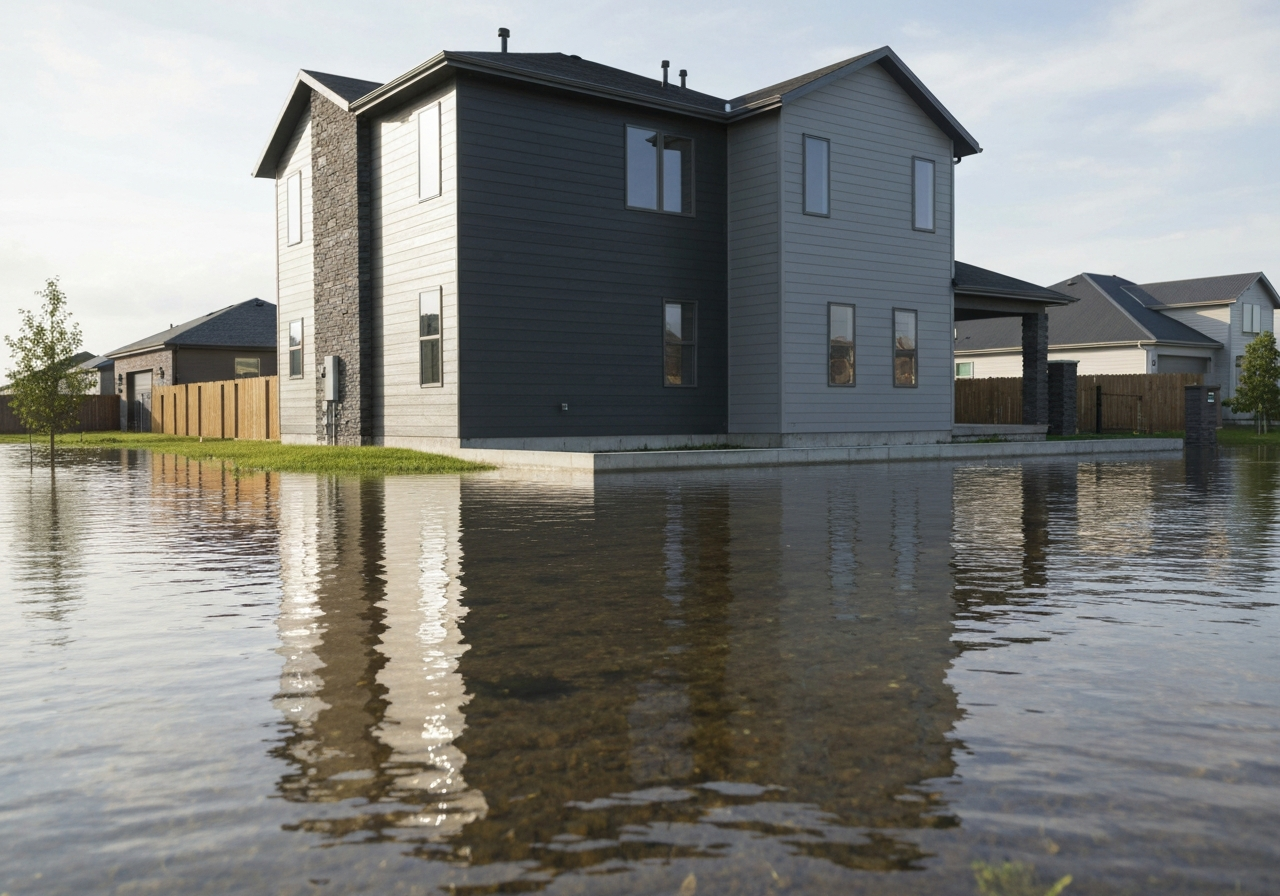
Many homeowners operate under the misconception that their standard home insurance policy offers comprehensive protection against all natural disasters. Unfortunately, this is a dangerous oversight when it comes to flooding. A critical distinction homeowners must understand is that typical homeowners insurance policies explicitly exclude damage caused by floods. This means that if floodwaters enter your home, whether from a overflowing river, heavy rainfall, or storm surge, the financial burden of repairs and replacement of belongings will fall entirely on you, unless you have a separate flood insurance policy. This fundamental gap in coverage is a primary reason why you need flood insurance, as flooding remains the most common and costly natural disaster in the United States.
Understanding Why You Need Flood Insurance, Even Outside a High-Risk Zone
The notion that flood insurance is only necessary for properties in designated high-risk flood zones is a widespread myth. In reality, every property has some degree of flood risk. Statistics reveal a surprising truth: a significant portion of flood claims—approximately 20 percent—originate from properties located in low to moderate flood risk areas. This highlights that flooding isn’t confined to coastal regions or areas adjacent to major rivers; heavy rainfall and urban development can lead to unexpected inland flooding, affecting communities that have historically seen minimal flood risk. Therefore, understanding your actual risk, beyond just official maps, is crucial for protecting your home and finances.
What Flood Insurance Actually Covers: Protecting Your Structure and Belongings
A flood insurance policy offers two main types of coverage: building coverage and contents coverage. Building coverage protects the physical structure of your home, including its foundation, electrical and plumbing systems, furnaces, water heaters, central air conditioning, and attached garages. Contents coverage, on the other hand, protects your personal belongings, such as clothing, furniture, electronics, and other valuables that are damaged by floodwaters. These policies are available through the National Flood Insurance Program (NFIP), managed by FEMA, and also through a growing number of private insurance companies. This comprehensive protection for both the structure and its contents makes it clear what flood insurance actually covers.
Beyond the Maps: Your Real Flood Risk and Surprising Statistics
Despite the devastating financial impact of floods, the uptake of flood insurance remains remarkably low. Fewer than 6% of American homeowners carry flood insurance, even though statistics show that just one inch of water can cause over $25,000 in damages to a home. This disparity between actual risk and preparedness underscores a significant vulnerability for millions of homeowners. The ever-changing climate and unpredictable weather patterns mean that flood risk is evolving, making it essential to look beyond traditional flood maps and consider your property’s vulnerability to all sources of potential flooding.
The True Value of Flood Insurance: Financial Recovery and Peace of Mind
Without flood insurance, recovery after a flood event is often a long and arduous process, typically relying on federal disaster assistance loans. While these loans can provide much-needed support, they must be paid back, adding a significant financial burden during an already stressful time. Flood insurance, by contrast, offers a pathway to genuine financial recovery. It provides funds to repair and rebuild, allowing homeowners to restore their lives without incurring overwhelming debt. This protection offers invaluable peace of mind, knowing that your most significant asset is safeguarded against one of nature’s most destructive forces. This financial security is a core component of the true value of flood insurance.
Securing Your Coverage: How to Get Flood Insurance for Your Home
The process of securing flood insurance typically involves two main avenues: the National Flood Insurance Program (NFIP) and private insurance carriers. NFIP policies, administered by FEMA, are widely available and offer standardized coverage. However, a critical detail to remember is that NFIP policies generally have a 30-day waiting period before they go into effect. Private flood insurance options may offer faster activation times, broader coverage, and higher limits, but they too often impose strict cutoffs, ceasing to issue new policies or modify existing ones at least seven days before a named storm is expected to make landfall. This means that proactive planning is essential; waiting until a storm is imminent means you’ve likely waited too long.
Don’t Wait Until It’s Too Late: Safeguarding Your Home Against Flooding
The message is clear: the time to consider flood insurance is now, not when storm clouds gather on the horizon. The 30-day waiting period for NFIP policies and the storm-related moratoriums from private carriers mean that last-minute efforts to secure coverage are almost always futile. Protecting your home and your financial well-being against the unforeseen impacts of flooding requires foresight and action. By understanding why you need flood insurance and acting proactively, you can ensure that you are prepared for whatever nature brings, safeguarding your home and maintaining your peace of mind.
Ready to protect your home? Visit our Contact Us page to learn more about flood insurance.