Introduction: Understanding Homeowners Insurance
Owning a home is a significant investment, and protecting it from unforeseen events is crucial. Homeowners insurance provides essential financial protection against damages to your house, personal belongings, and liability for accidents that occur on your property. Understanding the components of your policy can safeguard your most valuable asset. While home insurance isn’t mandated by law, mortgage lenders almost always require it to protect their investment.
What Does a Standard Homeowners Policy Cover?
A standard homeowners insurance policy typically includes several key areas of coverage, often broken down into sections. These coverages are designed to protect you from a wide array of perils, though it’s vital to review your specific policy for exact details. Common coverage types include:
- Dwelling Coverage: Protects the physical structure of your home, including its foundation, walls, and roof, from covered perils like fire, wind, and hail.
- Other Structures Coverage: Extends protection to structures detached from your main dwelling, such as garages, sheds, or fences.
- Personal Property Coverage: Covers your personal belongings inside and, in some cases, outside your home, against theft or damage from covered events.
- Loss of Use (Additional Living Expenses): Provides financial assistance for temporary housing and increased living costs if your home becomes uninhabitable due to a covered loss.
- Personal Liability: Offers financial protection against lawsuits for bodily injury or property damage that you, a household member, or even your pet may cause to others.
- Medical Payments to Others: Covers medical expenses for guests injured on your property, regardless of fault.
Essential Coverages: Protecting Your Home’s Structure and Belongings
The core of any homeowners insurance policy lies in its ability to protect the physical aspects of your property. Understanding these essential coverages helps ensure you have adequate protection.
Dwelling Coverage
Dwelling coverage is fundamental, safeguarding the very structure of your home. This includes everything permanently attached to your house, such as your roof, walls, built-in appliances, and attached garages. Most policies pay to repair or rebuild your home if it’s damaged or destroyed by perils like fire, lightning, windstorms, or hail. It’s crucial to purchase enough dwelling coverage to cover the full cost to rebuild your home at current construction costs, which may differ significantly from its market value.
Other Structures Coverage
Beyond the main dwelling, homeowners often have other structures on their property, such as detached garages, sheds, gazebos, or fences. These are typically covered under the “other structures” portion of your policy, usually at a limit of about 10% to 20% of your dwelling coverage. If you have unique or high-value detached structures, you may need to discuss increasing this limit with your insurance provider.
Personal Property Coverage
Your personal belongings—everything from furniture and clothing to electronics and sports equipment—are covered under personal property coverage. This protection extends to items stolen or damaged by covered perils, and often even covers items while they are temporarily off-premises, such as a child’s belongings at a college dorm. Standard coverage limits usually range from 50% to 70% of your dwelling coverage. For expensive items like jewelry, furs, or valuable art, a standard policy may have sub-limits, necessitating a “scheduled personal property” endorsement for adequate protection.
Liability Protection and Additional Living Expenses Explained
Beyond physical damage, homeowners insurance offers crucial financial safeguards for personal liability and unexpected living costs.
Personal Liability Coverage
Personal liability coverage is a vital component, protecting you financially in case of lawsuits for bodily injury or property damage that you, a family member, or even your household pet cause to other people. This could include a visitor slipping on your icy walkway or your dog biting a neighbor. This coverage helps pay for legal defense costs and any court awards, up to your policy’s limits. Most policies offer a minimum of $100,000 in liability coverage, but many experts recommend higher limits, such as $300,000 to $500,000, especially if you have significant assets to protect.
Medical Payments to Others
Related to liability, medical payments coverage (sometimes called guest medical) pays for medical expenses for persons accidentally injured on your property, regardless of who is at fault. This means it can cover a guest’s medical bills even if you aren’t legally responsible for the injury. It does not cover injuries to you or other family members living in your household. Typical coverage limits for medical payments are around $1,000, and it’s an important feature for addressing minor incidents without involving liability claims.
Additional Living Expenses (ALE)
Known as Loss of Use coverage, Additional Living Expenses (ALE) provide financial support if your home becomes uninhabitable due to a covered disaster. This coverage helps pay for the “additional” costs of living away from your home while it’s being repaired or rebuilt. This can include hotel bills, temporary rental housing, restaurant meals beyond your normal food budget, and other essential services like laundry. It’s important to keep all receipts for these expenses for reimbursement. ALE typically has dollar limits and/or time limits, so understanding these specifics in your policy is essential to avoid unexpected out-of-pocket costs during a displacement. The National Association of Insurance Commissioners (NAIC) emphasizes that ALE covers temporary housing costs if you move into a hotel or apartment while your home is being repaired or rebuilt.
Factors That Determine Your Homeowners Insurance Needs
Several factors influence the type and amount of homeowners insurance you need, impacting both coverage and premiums. It’s important to consider these when tailoring your policy.
- Location of Your Home: Geographical risks play a significant role. Homes in areas prone to specific natural disasters (e.g., hurricanes, wildfires, tornadoes, floods) will have different coverage needs and potentially higher premiums. For example, coastal properties may have separate windstorm deductibles.
- Age and Construction of Your Home:
- Older homes may require specialized policies or endorsements to cover the higher cost of repairing or replacing unique features with similar materials.
- The type of construction materials (ee.g., wood-frame vs. masonry) also affects rebuilding costs and, consequently, premiums.
- Value of Your Personal Property: The total value of your belongings dictates the necessary personal property coverage. A detailed home inventory is crucial to ensure you’re not underinsured for your possessions, especially high-value items that might need separate endorsements.
- Presence of Attractive Nuisances: Features like swimming pools, trampolines, or aggressive dog breeds can increase liability risks and may require higher liability limits or specific endorsements. Some insurers may even decline coverage if certain risks are present.
- Local Building Codes: Building codes are updated periodically, and if your home is significantly damaged, you might be required to rebuild to new, more expensive standards. “Ordinance or Law” endorsements can cover these additional costs.
- Prior Claims History: Both your personal claims history and the property’s claims history (often found in a Comprehensive Loss Underwriting Exchange, or CLUE report) can influence insurability and premium rates.
- Deductible Amount: Choosing a higher deductible (the amount you pay out-of-pocket before insurance kicks in) can lower your premium. However, ensure you can comfortably afford the deductible amount in the event of a claim.
Each of these factors contributes to a personalized risk profile, which insurers use to determine your premium and the available coverage options.
Replacement Cost vs. Actual Cash Value
When it comes to insuring your home and belongings, understanding the difference between Replacement Cost Value (RCV) and Actual Cash Value (ACV) is paramount, as it directly impacts your claim payout.
-
Replacement Cost Value (RCV): This coverage pays to repair or replace your damaged property with new items of similar kind and quality, without deducting for depreciation (wear and tear, age). If your 10-year-old roof is destroyed by a storm and you have RCV coverage, your insurer pays for a brand-new roof. This is generally the preferred coverage for your dwelling and often for personal property, as it allows you to restore your home and belongings to their pre-loss condition.
-
Actual Cash Value (ACV): This coverage pays to repair or replace your property based on its value at the time of loss, taking into account depreciation. Using the same example, if your 10-year-old roof is destroyed and you have ACV coverage, your insurer would determine its depreciated value (what a 10-year-old roof is worth today) and pay that amount, minus your deductible. This means you would receive less than the cost to replace it new. ACV coverage is less expensive than RCV but results in lower payouts. For personal property, ACV is sometimes the default, but upgrading to RCV for contents is often advisable.
The National Association of Insurance Commissioners (NAIC) clarifies that ACV considers depreciation and wear and tear, while RCV pays for replacement with like kind and quality. It’s crucial to select the coverage type that aligns with your financial comfort and rebuilding expectations.
Special Considerations: Older Homes, Valuables, and Building Codes
Certain aspects of homeownership require specialized insurance attention to ensure comprehensive protection.
Older Homes
Older homes often come with unique architectural features, construction methods, and materials that can be expensive or difficult to replace. If you own an older home, you may find that standard replacement cost policies don’t fully address these complexities. Some insurers may offer a “modified replacement cost policy,” which pays for repairs using modern, standard building materials and techniques rather than striving for exact historical replication. It’s essential to discuss the specifics of your older home with your agent to ensure your policy adequately covers potential rebuilding costs, factoring in specialized craftsmanship or unique materials.
Valuables
Standard homeowners insurance policies typically have sub-limits for certain categories of valuable personal property, such as jewelry, furs, silverware, firearms, and fine art. These sub-limits are often much lower than the actual value of these items. To protect these high-value possessions adequately, consider purchasing a “scheduled personal property endorsement” (also known as a personal articles floater). This add-on allows you to insure individual items or collections for their appraised value, often with broader coverage and no deductible.
Building Codes
Building codes are regularly updated to enhance safety and efficiency. If your home sustains significant damage, local ordinances might require you to rebuild or repair it according to current codes, even if those codes didn’t exist when your home was originally constructed. This can lead to substantial additional costs that a standard homeowners policy may not cover. An “Ordinance or Law endorsement” can provide a specified amount of coverage for these increased expenses, ensuring you can bring your home up to current code requirements during reconstruction.
Beyond Standard Policies: Condo, Renters, and Flood Insurance
While standard homeowners insurance covers many risks for traditional single-family homes, different living situations and environmental factors necessitate specialized policies.
Condominium Insurance (HO-6)
If you own a condominium unit, your insurance needs differ from those of a traditional homeowner. Your condominium association typically has a master policy that covers the building’s structure, common areas, and exterior. However, as a condo owner, you need an HO-6 policy to cover everything from your unit’s interior (e.g., drywall, flooring, cabinets, fixtures) and your personal belongings, to liability for incidents within your unit. Additionally, HO-6 policies can provide coverage for “loss assessment,” protecting you if the condo association levies an assessment against unit owners for losses covered by the master policy but exceeding its limits.
Renters Insurance (HO-4)
If you rent an apartment or house, your landlord’s insurance policy covers the building, but it does not cover your personal belongings or your personal liability. A renters insurance (HO-4) policy is essential for tenants. It provides coverage for your personal possessions against named perils (like fire, theft, and vandalism), additional living expenses if your rented unit becomes uninhabitable, and personal liability protection if someone is injured in your rental or you accidentally cause damage to someone else’s property.
Flood Insurance
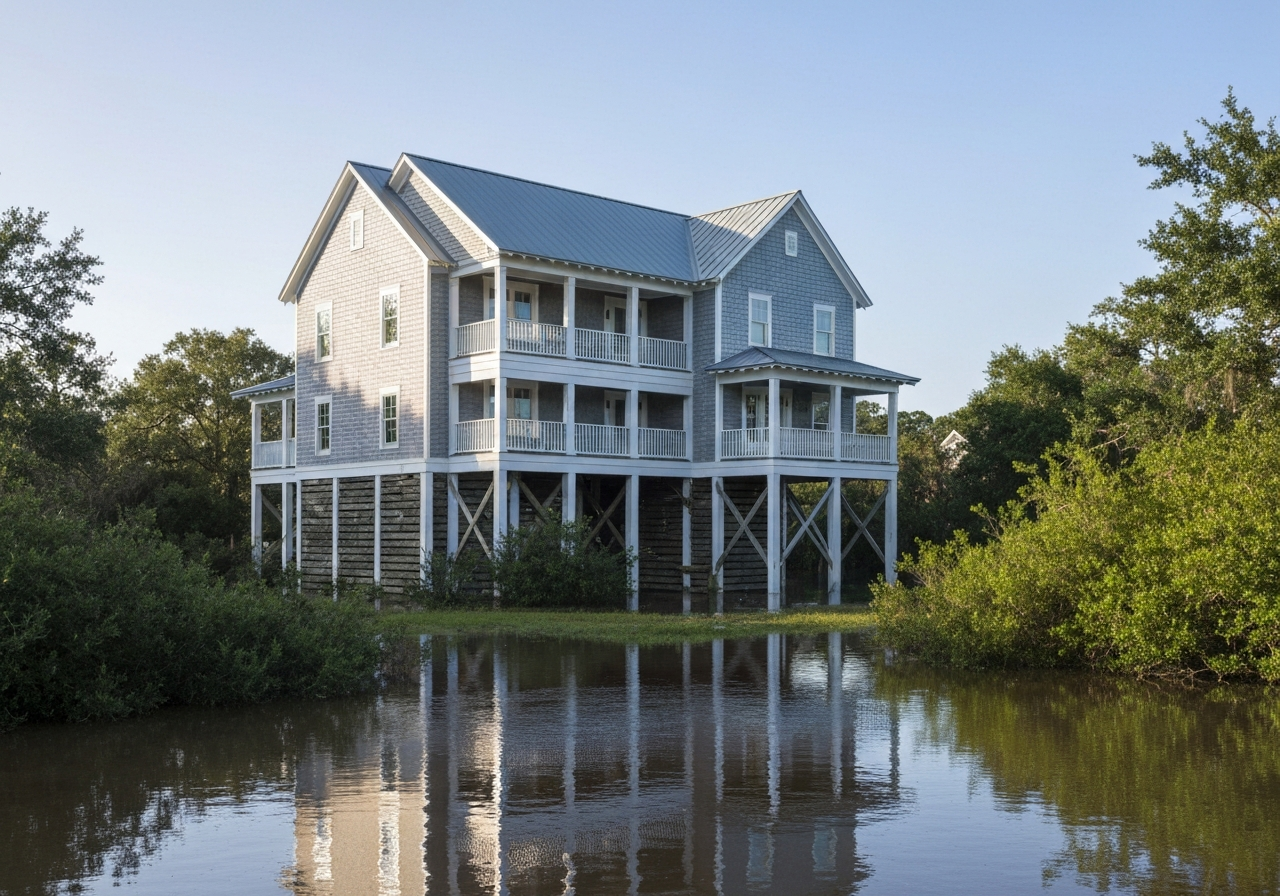
A critical point to understand is that standard homeowners insurance policies do not cover flood damage. This exclusion applies regardless of whether your property is in a designated flood zone. Flood insurance must be purchased separately. The National Flood Insurance Program (NFIP), managed by FEMA, is the primary provider of flood insurance in the United States. Many private insurers also offer flood insurance, sometimes as an endorsement. If your home has a mortgage and is located in a high-risk flood area, your lender will likely require you to carry flood insurance. Even if not required, it’s a vital consideration, as floods can happen anywhere, and even minor flooding can cause significant damage. You can obtain flood insurance through your existing home or auto insurance agent.
Tips for Lowering Your Homeowners Insurance Premiums
Managing the cost of homeowners insurance is a common concern. Several strategies can help you reduce your premiums while maintaining adequate coverage:
- Increase Your Deductible: Opting for a higher deductible means you pay more out-of-pocket for a claim, but it can significantly lower your annual premium. Ensure the deductible amount is something you can comfortably afford.
- Bundle Your Policies: Many insurance providers offer discounts if you purchase multiple policies (e.g., home and auto insurance) from them. This “bundling” can lead to substantial savings across all your insurance products.
- Improve Home Security: Installing safety and security features can make your home less risky to insure. Discounts may be available for:
- Monitored home security systems
- Smoke detectors and carbon monoxide detectors
- Deadbolt locks
- Fire extinguishers and sprinkler systems
- Maintain Good Credit: In most states, insurers use credit-based insurance scores to help determine premiums. Maintaining a good credit history can positively impact your rates.
- Fortify Your Home Against Disasters: If you live in an area prone to specific natural disasters, making your home more resilient can lead to discounts. Examples include:
- Installing storm shutters in hurricane-prone regions.
- Reinforcing your roof to withstand high winds.
- Updating older electrical wiring or plumbing to prevent fire or water damage.
- Shop Around Annually: Insurance rates can vary significantly between companies. It’s wise to compare quotes from different insurers regularly to ensure you’re getting the best rate for your coverage. An independent agency like Beach Insurance LLC can help you compare options from multiple carriers.
- Review Your Policy Limits: Annually assess your dwelling and personal property coverage limits. As items depreciate or home values change, you might find you’re over-insured in some areas or need to adjust coverage for new acquisitions. The National Association of Realtors suggests to conduct an annual review of your policy limits and the value of your home and possessions.
- Ask About Other Discounts: Don’t hesitate to ask your agent about any other discounts you might qualify for, such as discounts for retirees, non-smokers, or for having a new roof.
- Avoid Small Claims: Filing multiple small claims can lead to higher premiums or even non-renewal. Consider covering minor losses out of your emergency fund.
By implementing these strategies, you can proactively manage your homeowners insurance costs without compromising on essential protection.
Why Choose Beach Insurance LLC for Your Homeowners Insurance
Selecting the right insurance partner is as crucial as choosing the right policy. Beach Insurance LLC stands out as a dedicated and knowledgeable partner for your homeowners insurance needs. As an independent agency, Beach Insurance LLC has the flexibility to work with multiple insurance carriers, allowing them to compare various products and tailor a personal insurance program to meet your specific needs at a competitive price. This personalized approach ensures that you receive optimal coverage designed for your unique home and financial situation. Our agents are committed to building long-term relationships, providing expert advice and guidance beyond just policy selection. Our priority is your security and the comprehensive protection of your family’s assets. For more detailed information on their homeowners insurance offerings, you can visit their dedicated homeowners insurance page.
Get Your Personalized Homeowners Insurance Quote Today
Understanding your homeowners insurance options and securing the right coverage is a critical step in protecting your home and family. Whether you’re a new homeowner or looking to re-evaluate your existing policy, obtaining a personalized quote can help you explore competitive rates and comprehensive coverage solutions. Beach Insurance LLC is ready to assist you in navigating the complexities of homeowners insurance, ensuring you find a policy that aligns with your specific needs and budget. Take the proactive step to safeguard your most valuable asset.
For more information on personal insurance options and to initiate the quoting process, explore the comprehensive offerings at Beach Insurance LLC’s Personal Insurance services.
Ready to secure your home’s future? Contact Beach Insurance LLC today for a personalized homeowners insurance quote!