Understanding Homeowners Insurance: Your Foundation for Home Protection
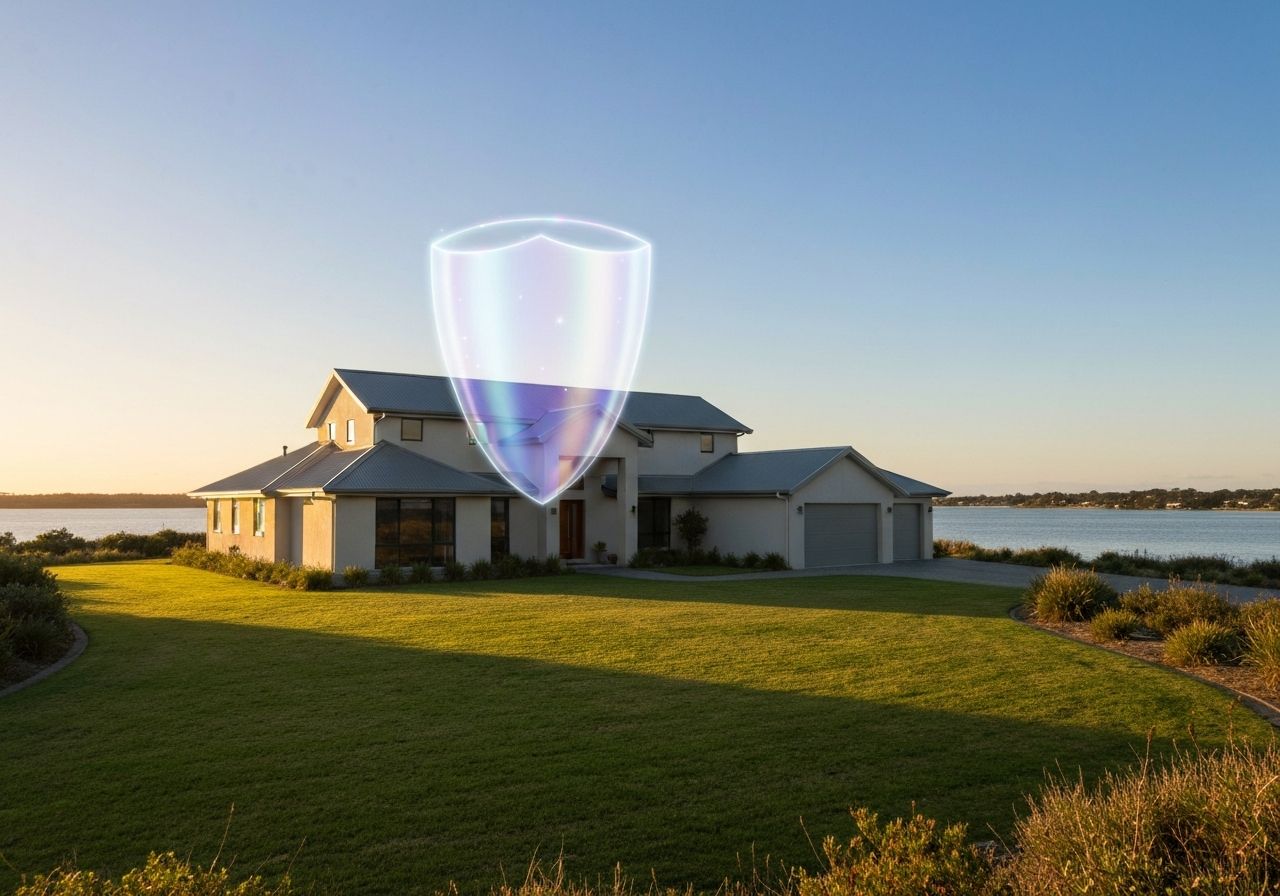
Homeownership is a significant investment, and protecting it from unforeseen events is paramount. This is where homeowners insurance steps in, offering crucial financial safeguards. Essentially a package policy, it covers both damage to your property and your legal responsibility for injuries or property damage you or your family might cause to others. Understanding the various homeowners insurance coverage types is key to ensuring your most valuable asset is adequately protected.
The Core Homeowners Insurance Coverage Types Explained
Standard homeowners insurance policies typically combine several fundamental coverage types into one comprehensive package. These core components are designed to protect different aspects of your home and financial well-being.
- Dwelling Coverage (Coverage A): Protects the physical structure of your home, including attached structures like garages.
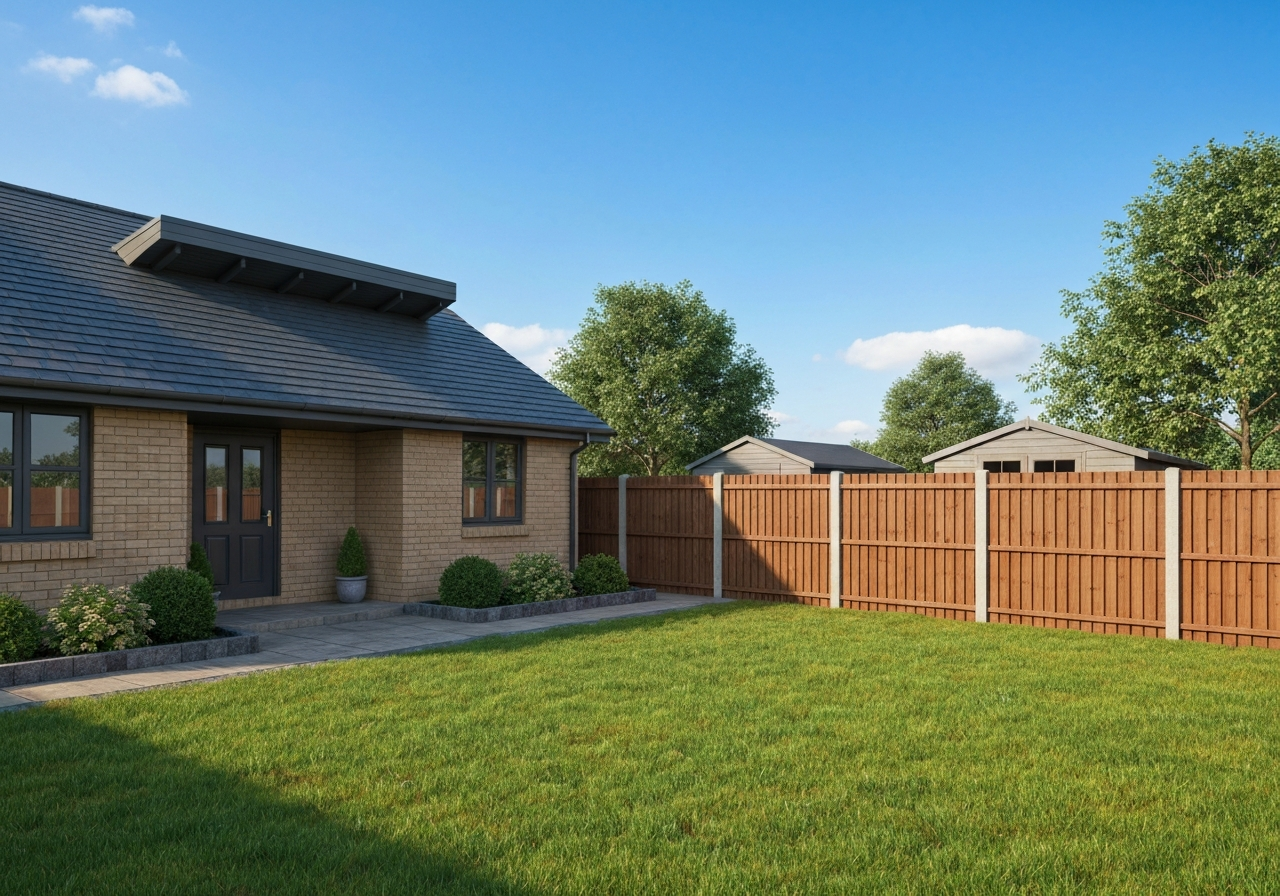
- Other Structures Coverage (Coverage B): Extends protection to detached structures on your property, such as sheds, fences, or gazebos.
- Personal Property Coverage (Coverage C): Safeguards your personal belongings, from furniture and electronics to clothing.
- Liability Coverage (Coverage E): Provides financial protection against lawsuits if you’re held responsible for injury to others or damage to their property.
- Additional Living Expenses (ALE) (Coverage D): Covers extra costs if you cannot live in your home due to a covered loss, such as hotel stays and meals.
Dwelling Coverage: Protecting Your Home’s Structure
The dwelling coverage component of your homeowners insurance is designed to repair or rebuild your home if it’s damaged or destroyed by a covered peril like fire, wind, or hail. It’s crucial to insure your home for its rebuilding cost, not its market value, as construction costs can differ significantly from the property’s sales price. This coverage also typically extends to features attached to your home, such as a deck or an attached garage.
Personal Property Coverage: Safeguarding Your Belongings
Your personal property coverage ensures that your belongings, including furniture, clothing, and electronics, are protected against theft or damage from covered disasters. Most policies offer coverage for personal items, often ranging from 50% to 70% of your dwelling coverage amount. A notable feature of this coverage is that it often includes off-premises protection, meaning your belongings are covered even when they’re not inside your home, anywhere in the world. For valuable items like jewelry, art, or furs, standard policies often have dollar limits. To ensure these items are insured to their full value, you might need to purchase a special personal property endorsement or “floater.” Creating a detailed home inventory is an expert tip for effectively assessing how much coverage you need and simplifying any future claims.
Liability Coverage: Financial Protection for Accidents
Liability insurance is a critical component of your homeowners policy, protecting you financially against claims and lawsuits for bodily injury or property damage that you, your family members, or even your pets cause to other people. This coverage can pay for legal defense costs and any court-awarded damages, up to your policy limits. While minimum liability limits typically start around $100,000, many insurance professionals recommend higher limits, often $300,000 to $500,000, especially if you have significant assets to protect. For even broader protection, an umbrella or excess liability policy can provide coverage beyond your standard home and auto policy limits.
Additional Living Expenses (ALE): Your Safety Net After a Covered Loss
If a covered event, such as a fire or severe storm, renders your home uninhabitable, Additional Living Expenses (ALE) coverage provides a financial safety net. It covers the necessary increase in living costs incurred while you are displaced from your home. This can include hotel bills, restaurant meals (above your usual food expenses), temporary rental housing, and other incidental costs like laundry or pet boarding. It’s important to understand that ALE covers *additional* expenses, not your regular monthly bills like your mortgage. Many policies provide ALE coverage for approximately 20% of your dwelling coverage, sometimes with time limits, so reviewing these specifics with your insurer is always advised.
Exploring Different Homeowners Insurance Policy Forms (HO-3, HO-2, HO-8, HO-6)
Homeowners insurance policies are standardized into different forms, each offering varying levels of protection. These forms are typically designated HO-1 through HO-8:
- HO-1 (Basic Form): This is the most limited policy, covering only a specific list of 10 “named perils” for your dwelling and often excluding personal belongings. It’s rarely sold today due to its narrow coverage.
- HO-2 (Broad Form): A step up from HO-1, HO-2 policies cover about 16 named perils, including those in HO-1, plus additional ones like falling objects or water damage from plumbing issues. It covers both your dwelling and personal property.
- HO-3 (Special Form): The most common type of homeowners insurance, HO-3 offers broad protection. It covers your dwelling and other structures against all perils unless specifically excluded (an “open perils” basis). Personal property, however, is typically covered on a “named perils” basis, usually for the same 16 perils as an HO-2 policy.
- HO-4 (Renter’s Insurance): Specifically designed for tenants, this policy covers personal belongings against named perils and includes liability and additional living expenses, but does not cover the building’s structure (which is the landlord’s responsibility).
- HO-5 (Comprehensive Form): This is the most extensive coverage available, protecting both your dwelling and personal property on an “open perils” basis. HO-5 policies often have higher coverage limits for high-value items compared to HO-3.
- HO-6 (Condominium Unit Owners Form): Tailored for condo and co-op owners, this policy covers the interior structure of your unit, personal belongings, and provides liability and loss-of-use coverage. The master policy of the condo association covers the building’s exterior and common areas.
- HO-7 (Mobile Home Form): Designed for mobile and manufactured homes, HO-7 policies offer coverage similar to an HO-3 but are specific to non-permanent structures when stationary.
- HO-8 (Modified Coverage Form): This policy is for older or historic homes where the replacement cost might exceed the market value. It typically provides actual cash value coverage for named perils, similar to an HO-1.
Actual Cash Value vs. Replacement Cost: Understanding Your Payout Options
When you file a claim, how your insurance company calculates your payout depends on whether you have actual cash value (ACV) or replacement cost (RCV) coverage. This distinction significantly impacts your out-of-pocket expenses:
- Actual Cash Value (ACV): ACV coverage pays the cost to repair or replace your damaged property, *minus depreciation* for age, wear, and tear. For example, if a 10-year-old television is stolen, ACV would reimburse you for its depreciated value, which is less than what it would cost to buy a new one today. This is typically the default for personal property coverage.
- Replacement Cost Value (RCV): RCV coverage pays to replace your damaged property with new items of similar kind and quality, *without deducting for depreciation*. If that same 10-year-old television is stolen, RCV would provide funds to purchase a brand-new television. While RCV generally results in higher premiums, it offers more comprehensive financial protection, as detailed by U.S. News & World Report.
Some policies also offer:
- Extended Replacement Cost: Pays an additional percentage (e.g., 20-25%) above your policy limits to rebuild your home if construction costs surge after a widespread disaster.
- Guaranteed Replacement Cost: Covers the full cost to rebuild your home as it was before a total loss, even if it exceeds the policy limit. This is the highest level of protection but is also the most expensive and not available in all areas.
Common Perils Covered and Key Exclusions to Know (e.g., Flood, Earthquake)
Standard homeowners insurance policies cover a wide range of perils, offering protection against many common threats. These typically include:
- Fire and lightning
- Windstorm and hail
- Explosion
- Riot or civil commotion
- Damage caused by aircraft or vehicles
- Smoke
- Vandalism and malicious mischief
- Theft
- Volcanic eruption
- Falling objects (in HO-2 and broader policies)
- Weight of ice, snow, or sleet (in HO-2 and broader policies)
- Accidental discharge or overflow of water or steam from plumbing or appliances (in HO-2 and broader policies)
However, it’s equally important to be aware of what standard policies typically *exclude*. These exclusions are crucial because they highlight areas where you may need separate policies or endorsements for complete protection. According to MoneyGeek, common exclusions include:
- Flooding: Damage from floods (e.g., heavy rain, storm surge, overflowing rivers) is almost always excluded. Flood insurance is typically purchased separately through the National Flood Insurance Program (NFIP) or private insurers.
- Earthquakes and Earth Movement: This includes landslides, mudslides, and sinkholes. Earthquake coverage is usually an add-on endorsement or a separate policy.
- Poor Maintenance and Neglect: Damage resulting from a lack of routine maintenance, wear and tear, or homeowner neglect is generally not covered.
- Pest Infestations: Damage caused by termites, rodents, or other insects is typically excluded, as it’s often preventable with proper maintenance.
- Mold: Mold damage is often excluded unless it results from a covered peril (e.g., a burst pipe causing mold). Slow-developing mold or mold with an unidentified cause is usually not covered.
- War and Nuclear Hazard: Losses due to acts of war, terrorism, or nuclear accidents are not covered.
- Government Action: Damage resulting from government seizure or actions is usually excluded.
- Intentional Loss: Damage you intentionally cause to your property will not be covered.
- Sewer or Drain Backup: This often requires a specific endorsement.
Given the potential for significant losses from these excluded events, especially in areas prone to specific natural disasters, it’s wise to discuss these gaps with an insurance professional.
Choosing the Right Homeowners Insurance Coverage Types for Your Needs
Selecting the appropriate homeowners insurance coverage types requires a careful assessment of your individual circumstances. Consider the following factors:
- Your Home’s Value and Features: The cost to rebuild your home, not just its market value, is a primary driver of dwelling coverage needs. Account for unique architectural features or custom renovations.
- Value of Personal Property: Conduct a thorough home inventory to accurately estimate the worth of your belongings. Decide whether actual cash value or replacement cost coverage for your possessions aligns with your financial comfort.
- Risk Exposure: Evaluate your geographic location for specific risks like hurricanes, wildfires, or hail. If you live in a high-risk area for floods or earthquakes, plan for separate policies or endorsements.
- Financial Assets: Ensure your liability limits are sufficient to protect your savings and other assets in case of a lawsuit. Consider an umbrella policy for added protection.
- Policy Forms: Understand the differences between “named perils” and “open perils” policies (e.g., HO-2 vs. HO-3) to choose the level of coverage that best suits your risk tolerance.
Regularly review and update your policy to reflect changes in your home’s value, new purchases, or evolving local risks. This proactive approach helps ensure you maintain comprehensive protection.
Partnering with Beach Insurance LLC for Personalized Home Protection
Navigating the complexities of homeowners insurance coverage types can be challenging, but you don’t have to do it alone. Beach Insurance LLC is dedicated to providing personalized guidance to help you understand your options and secure the ideal protection for your home. Whether you’re a first-time homeowner or looking to review an existing policy, our team of experts can assist you in tailoring coverage that meets your unique needs and provides true peace of mind. We serve various communities, including our clients in Greenville and Spartanburg, ensuring local expertise and support. Our commitment is to offer comprehensive personal insurance solutions, extending beyond just home coverage to encompass your broader personal insurance needs.
Ready to ensure your home is fully protected? Visit our Contact Us page to connect with Beach Insurance LLC experts today!