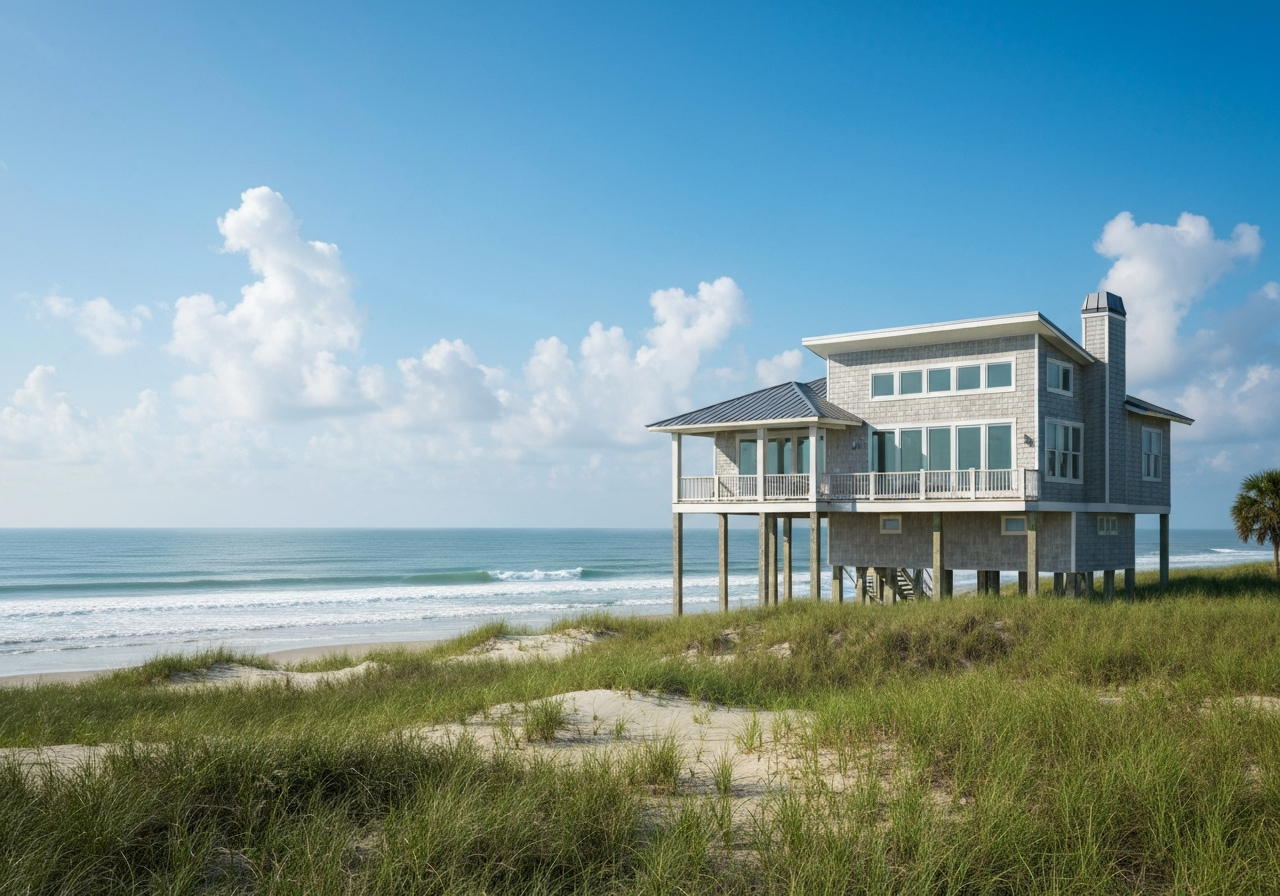
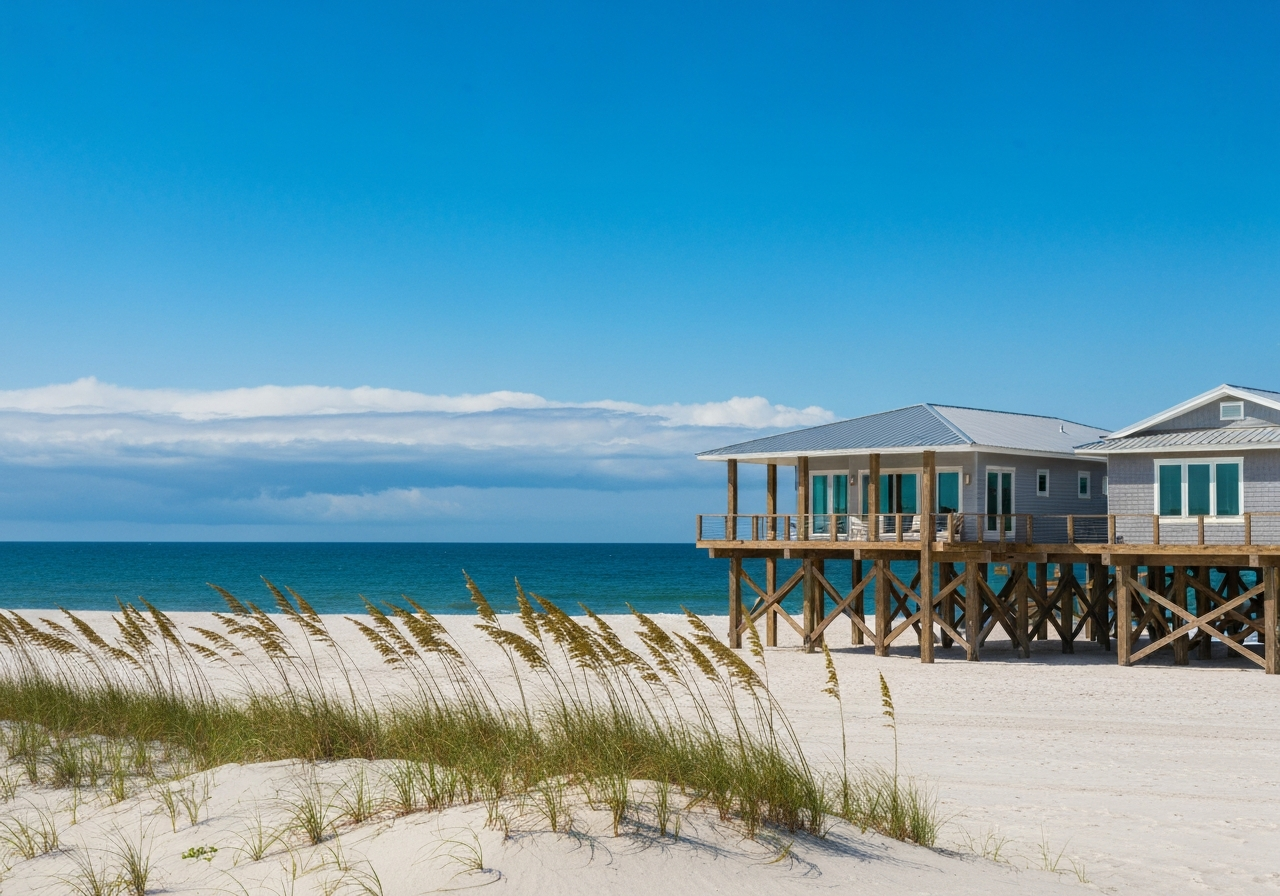
Coastal Living and Your Home Insurance Special Considerations
Living along the coast offers unparalleled beauty and unique lifestyle benefits, but it also comes with inherent risks, particularly concerning severe weather events. For homeowners in these picturesque regions, understanding the intricacies of property insurance is not just advisable, it’s essential for protecting one of their most significant investments. Standard homeowners policies provide a broad spectrum of coverage, yet coastal properties often require specialized considerations due to their exposure to hurricanes, tropical storms, and associated perils like wind and flood damage. This makes a clear understanding of your policy, especially when it comes to hurricane and named storm deductibles, a critical component of responsible homeownership in coastal areas.
Your Essential Coastal Homeowner Guide to Hurricane vs Named Storm Deductibles Explained
As a coastal homeowner guide to hurricane vs named storm deductibles, it’s crucial to recognize that these specialized deductibles operate differently from your standard homeowners insurance deductible. Unlike the fixed dollar amount you might pay for a fire or theft claim, hurricane and named storm deductibles are typically calculated as a percentage of your home’s insured value. This percentage-based structure means your out-of-pocket expense can be significantly higher, often ranging from 1% to 5% of your dwelling coverage, and in some high-risk areas, even higher. The widespread implementation of these deductibles in states vulnerable to hurricanes, such as those along the Atlantic and Gulf coasts, largely followed catastrophic events like Hurricane Andrew in 1992 and Hurricane Katrina in 2005, which highlighted the immense financial risks to insurers. These mechanisms allow insurance companies to manage their exposure to massive payouts, helping to keep overall premiums more affordable for residents in these high-risk zones, while requiring policyholders to bear a larger portion of the initial loss.
Defining the Difference: Hurricane vs. Named Storm Deductibles
While often used interchangeably, there’s a distinct difference between a hurricane deductible and a named storm deductible, and understanding this can significantly impact your financial preparedness. A hurricane deductible typically applies specifically to damage caused by a weather event officially declared a hurricane by authoritative bodies like the National Weather Service (NWS) or the U.S. National Hurricane Center (NHC). The trigger for this deductible is tied directly to the storm’s classification as a hurricane.
On the other hand, a named storm deductible has a broader application. It covers damage from any weather event officially named by the NWS or NHC, which can include not only hurricanes but also tropical storms and tropical cyclones. This distinction is vital because a storm doesn’t have to reach hurricane strength to be “named” and therefore trigger this specific deductible. For instance, if a tropical storm causes significant damage without ever escalating to hurricane status, a named storm deductible would likely apply, whereas a hurricane deductible might not. Both types are separate from a standard windstorm or wind/hail deductible, which generally applies to any wind or hail damage not specifically linked to a named storm or hurricane.
Understanding Deductible Triggers and How They Apply
The activation of a hurricane or named storm deductible hinges on specific “trigger events” outlined in your insurance policy and often governed by state law. These triggers are not uniform across all policies or states, creating a complex landscape for coastal homeowners. Common trigger events include:
- The issuance of a hurricane watch or warning by the National Hurricane Center (NHC).
- The precise moment a hurricane makes landfall.
- When a storm is officially declared a hurricane or named storm by the NHC.
The duration for which the deductible applies also varies, typically beginning when a watch or warning is issued and ending a set period (e.g., 24 to 72 hours) after the watch or warning expires or the storm is downgraded. For example, in Florida, hurricane deductibles are set by state law and apply from the time a watch or warning is issued until 72 hours after it ends, and are applied only once per hurricane season, regardless of how many hurricanes impact the property within that period, provided you remain with the same insurer. Conversely, other states like New York might have different criteria, where some insurers trigger the deductible for a Category 1 storm, while others use a Category 2 threshold. It is critical for policyholders to consult their specific policy documents and, if necessary, speak with their insurance agent to understand the precise triggers and application rules relevant to their property and location. According to the NAIC, nineteen states and the District of Columbia currently have some form of hurricane or named storm deductible in place, highlighting the widespread need for this awareness.
What to Expect: The Financial Impact of Coastal Deductibles
The financial impact of a hurricane or named storm deductible can be substantial, as these are typically much higher than standard deductibles. Instead of a fixed dollar amount, they are usually a percentage of your home’s insured value. This means if your home is insured for $300,000 and has a 5% hurricane deductible, you would be responsible for the first $15,000 in covered damage. This sum can be a significant out-of-pocket expense that many homeowners might not anticipate. This structure incentivizes coastal homeowners to invest in mitigation efforts to reduce potential damage and, in some cases, qualify for lower premiums. Many coastal states offer premium discounts for fortifying homes against wind damage, such as installing storm shutters or hurricane-resistant windows.
Understanding this financial commitment well in advance of a storm is paramount. Homeowners should not only know the percentage of their deductible but also calculate the actual dollar amount based on their dwelling coverage. This proactive approach allows for financial planning, such as setting aside funds in an emergency savings account, to cover the deductible if a claim becomes necessary. The goal is to avoid being caught off guard during an already stressful period after a severe weather event.
Beyond Wind and Storm: Why Flood Insurance is Crucial
While hurricane and named storm deductibles address wind-related damage, it’s critically important for coastal homeowners to understand that standard homeowners insurance policies do not cover flood damage. This is a common misconception that can leave property owners financially devastated after a coastal storm, as much of the destruction from hurricanes often comes from storm surge and inland flooding. Even a few inches of water can lead to tens of thousands of dollars in repairs and remediation costs.
For comprehensive protection, a separate flood insurance policy is essential. In the United States, flood insurance is primarily available through the National Flood Insurance Program (NFIP), though private market options are also available. Purchasing flood insurance ensures that your home and its contents are protected against water damage caused by flooding, which is distinctly different from wind damage. As a coastal homeowner, integrating flood insurance into your overall protection strategy is as vital as understanding your hurricane deductibles, safeguarding your home against the full spectrum of risks posed by living near the water. For more information on this critical coverage, explore flood insurance options.
Securing Your Coastal Home: A Partner for Peace of Mind
Navigating the complexities of coastal home insurance, particularly the nuances between hurricane and named storm deductibles and the absolute necessity of flood insurance, requires diligent attention and expert guidance. For coastal homeowners, having a clear understanding of your policy provisions, deductible triggers, and potential out-of-pocket expenses is fundamental to financial preparedness and peace of mind. Proactive planning, including reviewing your policy annually and making informed decisions about coverage limits and additional protections, is your best defense against the unpredictable nature of severe weather.
At Beach Insurance LLC, we are dedicated to helping coastal residents in locations like Isle of Palms, Seabrook Island, Ocean Isle Beach, Surfside Beach, Myrtle Beach, Mount Pleasant, and Kiawah Island comprehend every aspect of their homeowners insurance. Our goal is to ensure you have the appropriate protection tailored to the unique challenges of coastal living, allowing you to enjoy your home with confidence, knowing you’re well-prepared for any storm that may come your way.
Ready to secure your coastal home with the right insurance? Contact Beach Insurance LLC today for expert guidance.