The Allure and Risks of Coastal Living: Why Specialized Protection is Key
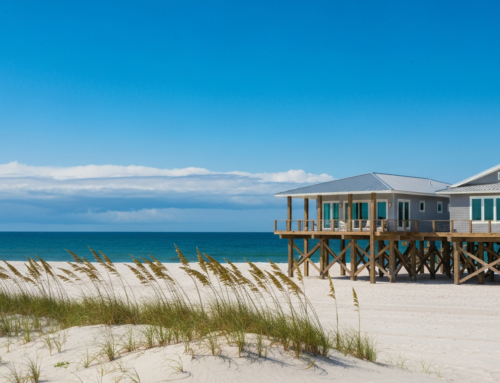
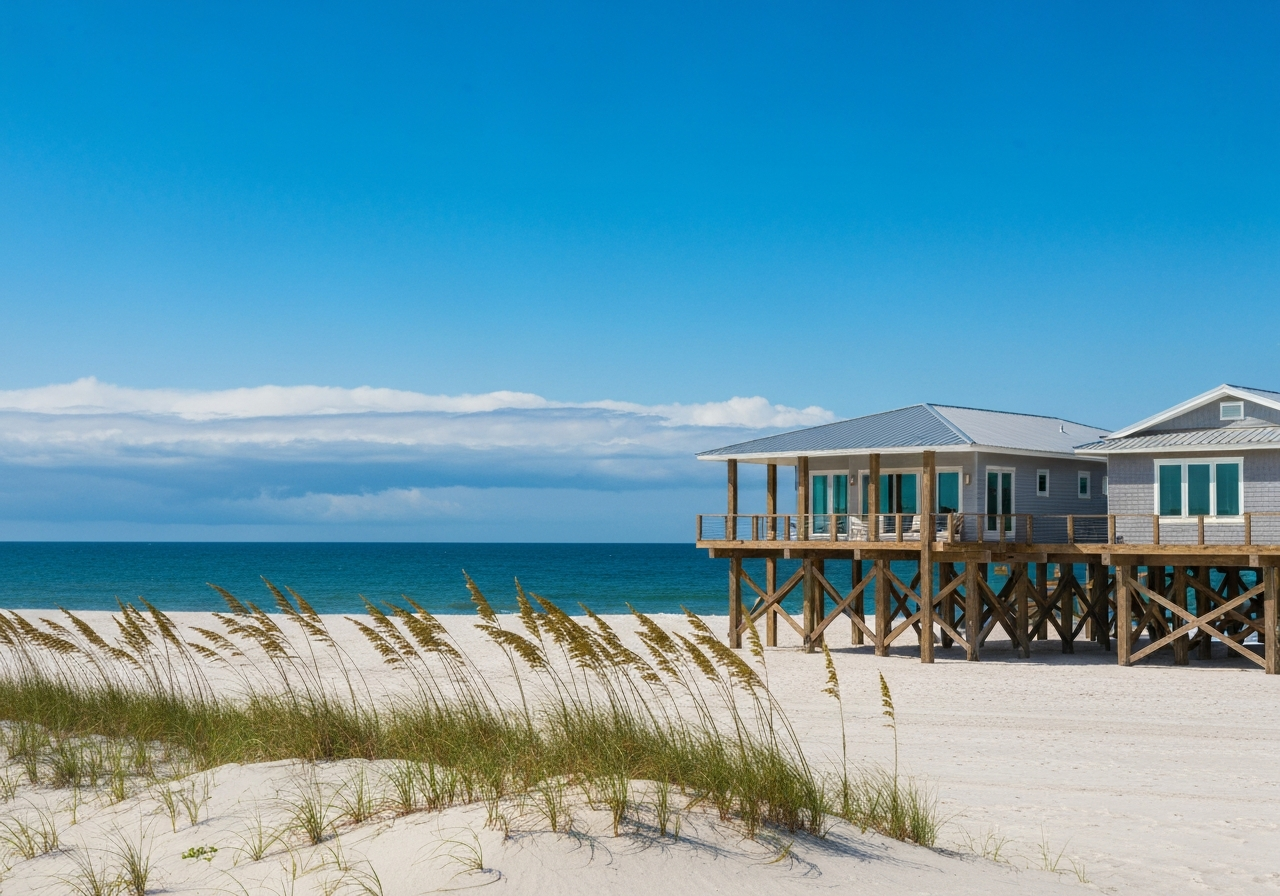
The dream of living by the ocean, with stunning views and immediate access to recreational activities, draws many to coastal areas. However, this idyllic lifestyle comes with inherent challenges, primarily the heightened risk of natural disasters. Coastal properties are uniquely exposed to severe weather events like hurricanes, tropical storms, and significant flooding, making robust home insurance paramount. Trends in coastal real estate demonstrate a shift in buyer preferences, driven by increasing awareness of these risks and rising insurance costs. Buyers are now prioritizing long-term value and resilience, often influenced by the need for specialized coverage to safeguard their investments, as highlighted by changing coastal home buying patterns discussed by the State Budget Crisis Task Force.
Why Standard Homeowner’s Insurance Falls Short for Coastal Properties
While a standard homeowner’s insurance policy provides essential coverage for perils such as fire, lightning, hail, and theft, it typically falls short for homes in high-risk coastal zones. A critical gap in standard coverage is the exclusion of flood damage, which is often the most destructive aspect of a hurricane. Homeowners in these areas may assume their policy covers all storm-related damage, but this is rarely the case. For instance, a standard policy may offer some coverage for wind damage, but specific endorsements or separate windstorm policies are often required in very high-risk areas. This distinction is crucial, as noted by U.S. News & World Report, which emphasizes that standard home insurance does not cover all hurricane damage.
Understanding Coastal Home Insurance: Your Shield Against Unique Risks
Coastal home insurance is specifically designed to address the unique threats faced by properties situated near oceans, gulfs, and other major waterways. This specialized coverage acts as a vital shield, extending protection beyond what a standard policy offers. It typically incorporates or mandates coverage for:
- Wind and Hail Damage: Often a separate component or endorsement, covering damage from hurricane-force winds and associated hail.
- Flood Damage: Acquired through the National Flood Insurance Program (NFIP) or private insurers, essential for safeguarding against storm surges and heavy rainfall-induced flooding.
- Additional Living Expenses (ALE): Also known as “loss of use” coverage, this helps cover temporary living costs if your home becomes uninhabitable after a covered event.
Understanding these distinct layers of protection is the first step toward truly securing your shoreline investment.
Key Components of a Comprehensive Coastal Home Insurance Policy
A truly comprehensive coastal home insurance policy goes beyond the basics to ensure your property is protected from all angles. Key components typically include:
- Dwelling Coverage: This protects the physical structure of your home, including the foundation, walls, and roof, from covered perils. It’s crucial for this to cover the full cost of rebuilding your home, not just its market value.
- Other Structures Coverage: Detached garages, sheds, fences, and other structures on your property are protected under this component.
- Personal Property Coverage: This covers your belongings, such as furniture, electronics, and clothing, whether they are inside your home or temporarily elsewhere. You can choose between actual cash value or replacement cost coverage.
- Loss of Use/Additional Living Expenses: As mentioned, this is vital for covering costs like hotel stays, temporary rentals, and extra food expenses if your home is unlivable due to a covered loss.
- Personal Liability: This protects you financially if you or a household member are found responsible for bodily injury or property damage to others. Higher liability limits are often recommended for coastal homeowners due to increased risk factors.
Navigating Flood Insurance and Windstorm Deductibles: Essential Coastal Coverages
For coastal homeowners, understanding flood insurance and specialized deductibles is non-negotiable. Standard homeowner’s policies explicitly exclude flood damage, making a separate flood insurance policy a critical purchase. This coverage, available through the NFIP or private carriers, protects your dwelling and/or personal property from floodwaters, including storm surges common during hurricanes.
Additionally, many coastal states employ special deductibles for hurricane or windstorm losses, which operate differently from your standard deductible. These include:
- Hurricane Deductibles: Typically a percentage (e.g., 1% to 5%) of your dwelling’s insured value, rather than a fixed dollar amount. These are triggered by a “named storm” (a hurricane declared by the National Weather Service) or when winds reach hurricane-strength.
- Named Storm Deductibles: Similar to hurricane deductibles but may apply to any named tropical storm, not just those reaching hurricane status.
- Wind/Hail Deductibles: Can apply to any wind or hail damage, regardless of whether it’s associated with a named storm.
Nineteen Gulf and Atlantic Coast states, including South Carolina, allow insurers to implement these percentage-based deductibles due to the high risk of catastrophic damage. For example, if your home is insured for $300,000 with a 2% hurricane deductible, you would be responsible for the first $6,000 of hurricane-related wind damage before your insurance pays. It is essential to review your policy details for specific triggers and amounts, as thoroughly explained in Your Essential Guide to Homeowners Insurance Deductibles.
Factors Influencing Your Coastal Home Insurance Premiums
Several factors significantly impact the cost of your coastal home insurance premiums. Understanding these can help you anticipate and potentially manage your expenses:
- Location: Proximity to the coastline, elevation, and designated flood zones play a major role. Properties in higher-risk areas will naturally face higher premiums.
- Home’s Age and Construction: Older homes, especially those not built to modern hurricane-resistant codes, may incur higher costs. The type of roofing, windows, and overall structural integrity are key considerations.
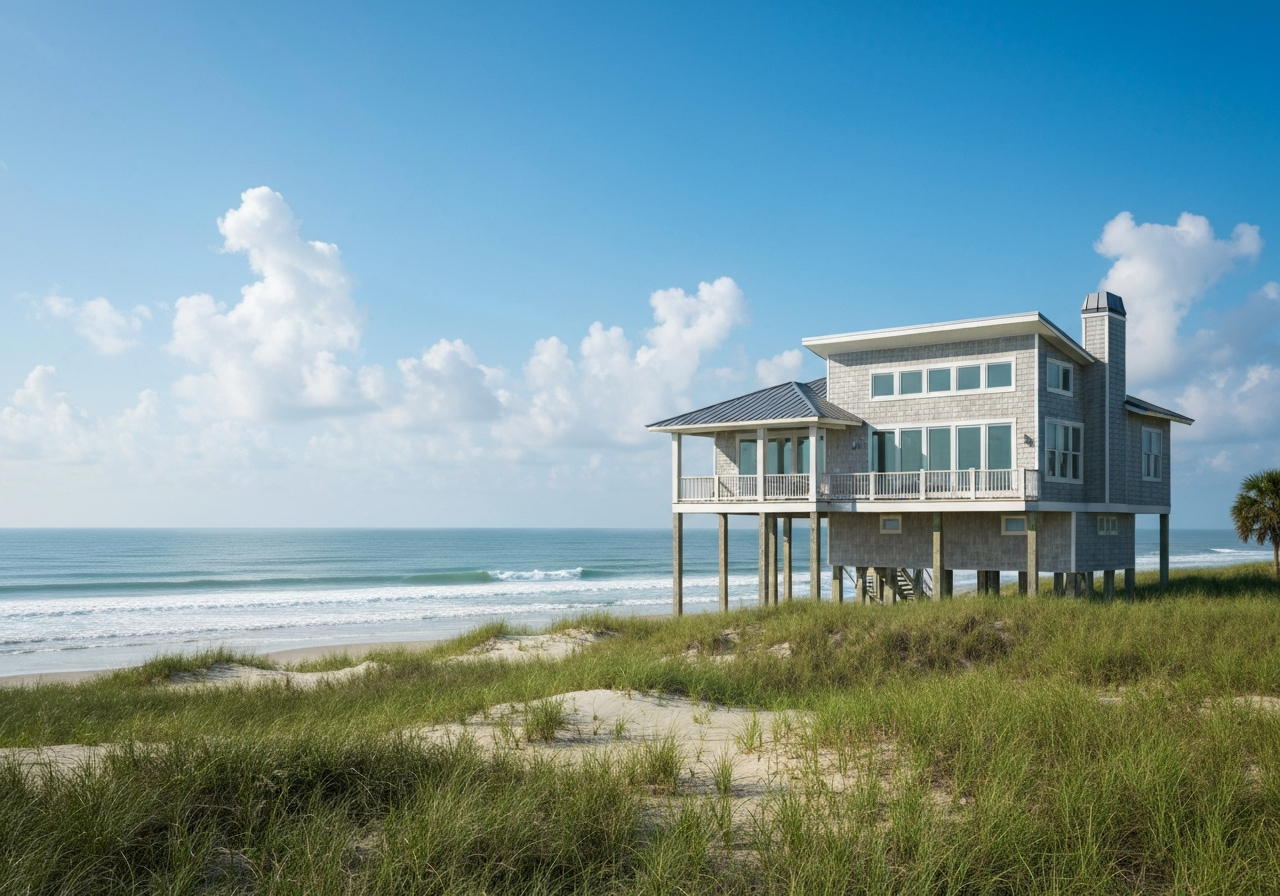
- Mitigation Measures: Investing in hurricane-resistant features such as storm shutters, reinforced roofs, and elevated foundations can lead to discounts. Some states even mandate discounts for homeowners who implement certain windstorm mitigation upgrades.
- Claims History: A history of past claims, particularly those related to wind or water damage, can increase your premiums.
- Deductibles: Choosing a higher deductible for your windstorm or hurricane coverage can lower your premium, but it also means greater out-of-pocket expenses if you file a claim.
With rising insurance premiums in climate-risk regions influencing coastal home-buying patterns, proactive measures to mitigate risk can offer financial benefits.
Who Needs Coastal Home Insurance? Identifying Your Exposure
Anyone who owns property in a coastal region of the United States needs specialized coastal home insurance. This includes homeowners, condo owners, and even renters living in areas prone to hurricanes, tropical storms, and coastal flooding. If your property is located in one of the nineteen Gulf or Atlantic Coast states that experience regular hurricane activity, or even if it’s further inland but susceptible to riverine or flash flooding, you have significant exposure. It’s not just about direct beachfront properties; homes several miles from the immediate shore can still be severely impacted by wind, rain, and flooding associated with these large-scale weather events.
Protecting Your Investment: Strategies to Mitigate Risk and Reduce Costs
Beyond purchasing the right coverage, actively mitigating risks can protect your coastal home and potentially lower your insurance costs. Consider these strategies:
- Reinforce Your House: Invest in structural upgrades to make your home more resilient. This includes installing storm shutters, reinforcing your roof, securing garage doors, and elevating your home if it’s in a flood-prone area. FEMA provides guides on protecting property from severe wind, and programs like FORTIFIED Home™ can lead to significant premium reductions.
- Create a Home Inventory: Maintain a detailed, up-to-date list of your personal belongings, including photos and videos. This documentation is invaluable for filing accurate claims after a disaster.
- Maintain Your Property: Regular maintenance, such as trimming trees and ensuring proper drainage, can prevent minor issues from escalating into major claims during severe weather.
- Review Your Policy Annually: Your needs and property value can change. Conduct an annual review of your personal insurance policy with your agent to ensure your coverage remains adequate and that you’re taking advantage of any new discounts.
Choosing the Right Partner: The Value of Local Coastal Insurance Expertise
Navigating the complexities of coastal home insurance requires more than just an online search. The value of partnering with a local, experienced insurance agency like Beach Insurance LLC cannot be overstated. Local experts understand the unique risks and regulations specific to your area, such as particular flood zones, state-specific deductibles, and local building codes. They can offer insights into which insurers provide the best coverage for coastal properties, identify available discounts, and help you tailor a policy that truly protects your assets. As independent insurance brokers, we work for you, not the carriers, allowing us to shop multiple companies and design custom solutions that fit your life. Our team serves many coastal communities, including Isle of Palms, Myrtle Beach, and Pawleys Island.
Secure Your Shoreline: Final Steps to Peace of Mind
Protecting your coastal home requires a proactive and informed approach to insurance. From understanding the limitations of standard policies to securing specialized flood and windstorm coverage, every step contributes to safeguarding your investment. Take the time to assess your risks, implement mitigation strategies, and thoroughly review your policy options. Partnering with a knowledgeable local insurance professional ensures that you have comprehensive coverage tailored to your specific needs, providing invaluable peace of mind against the unpredictable forces of nature along the shoreline.
Ready to secure your coastal home? Visit our Contact Us page to get started!