The Allure and Risks of Beachfront Living
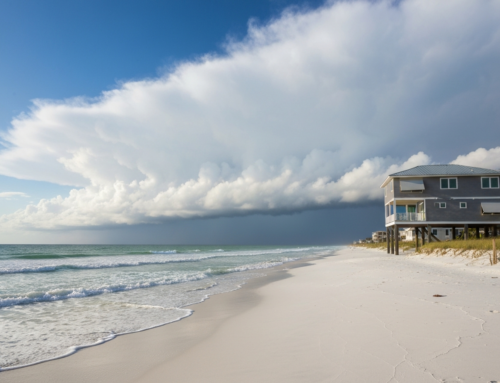
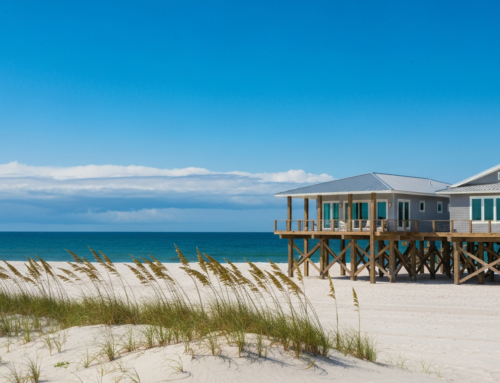
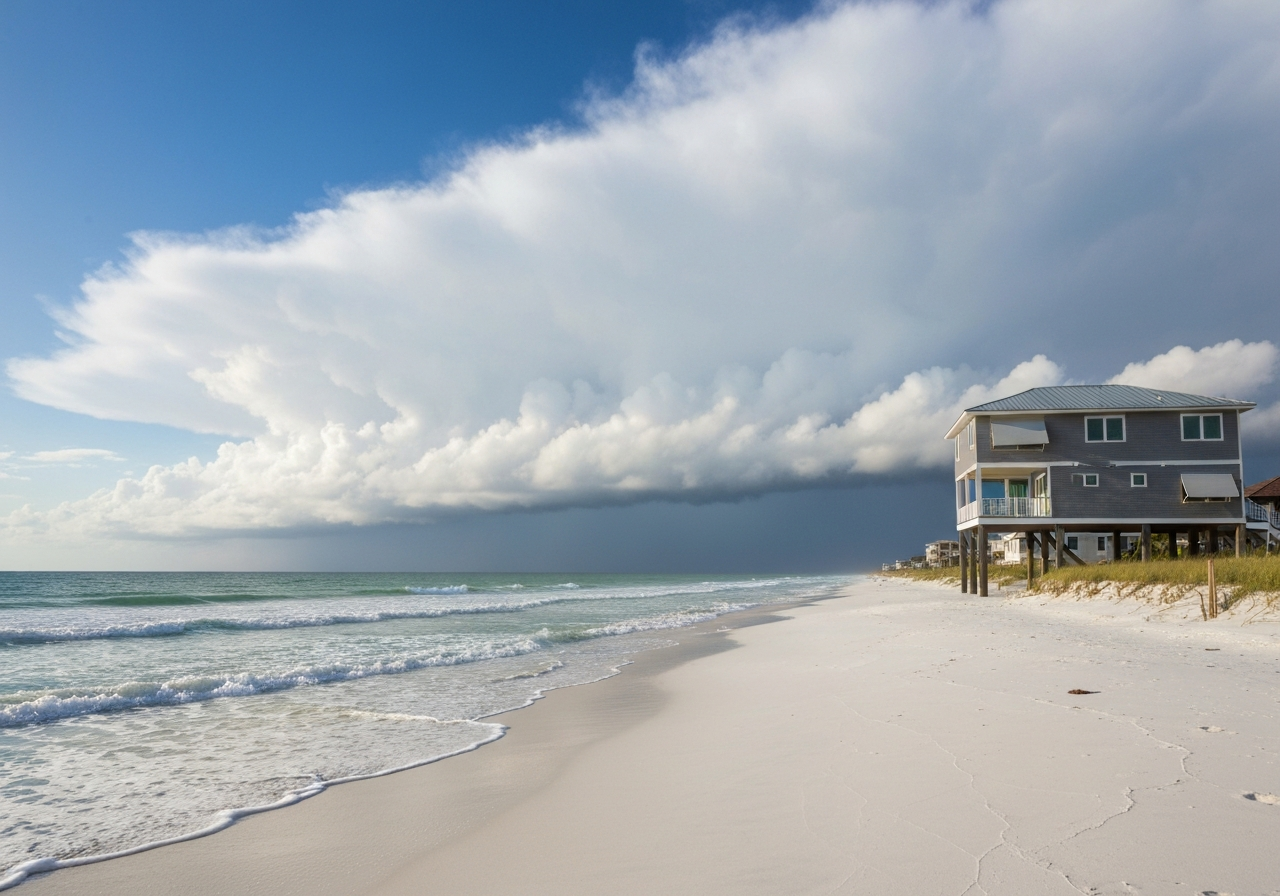
Owning a home along the coast offers unparalleled beauty and lifestyle benefits, from stunning ocean views to direct beach access. However, this idyllic setting comes with inherent risks that standard homeowners insurance policies often fail to address adequately. Coastal properties are uniquely exposed to severe weather events, such as hurricanes, tropical storms, and persistent high winds, which can lead to significant damage and increased insurance complexities. Understanding these risks is the first step in securing comprehensive coastal home insurance.
Why Standard Homeowners Insurance Isn’t Enough for Coastal Properties
Many homeowners mistakenly believe their standard homeowners insurance policy provides sufficient protection for a beachfront property. Unfortunately, this is rarely the case. Conventional policies typically exclude or limit coverage for perils commonly faced by coastal homes, most notably windstorm and flood damage. This means that a separate, specialized policy is essential to bridge these coverage gaps and adequately safeguard your investment. In states prone to hurricanes, insurers frequently exclude wind damage from base policies, necessitating additional coverage or endorsements specifically for wind and hail.
For instance, while a standard policy might cover fire or theft, it often won’t cover your roof being torn off by hurricane-force winds or your home being inundated by storm surge. These critical exclusions highlight why homeowners in coastal areas require a tailored insurance strategy.
Understanding Coastal Home Insurance: Specialized Protection Defined
Coastal home insurance is designed to protect against the specific risks associated with properties located near large bodies of water. This specialized coverage addresses perils like windstorms, hurricanes, and certain types of water damage. It often includes protection for structural damage, personal belongings, and sometimes even debris cleanup or erosion-related damage. Unlike standard policies, which usually have a single, flat deductible, coastal insurance policies often feature multiple deductibles tied to specific events, such as named storms or hurricanes.
For homeowners near areas like Myrtle Beach or Isle of Palms, this specialized protection is not merely an option but a necessity to ensure financial recovery after a severe weather event.
Essential Coverages for Your Beachfront Home
Protecting a beachfront home demands a layered approach to insurance. Key coverages to consider include:
- Windstorm and Hail Coverage: Often purchased separately or as an endorsement, this covers damage from high winds, hail, hurricanes, and tornadoes. In many coastal areas, standard policies explicitly exclude wind and hail damage.
- Flood Insurance: Crucially, flood damage is typically excluded from windstorm and homeowners policies. A separate flood insurance policy, often through the National Flood Insurance Program (NFIP) or a private insurer, is essential for properties susceptible to rising water.
- Dwelling Coverage: This protects the physical structure of your home, including attached garages, decks, and other structures.
- Personal Property Coverage: Safeguards your belongings inside the home against covered perils. Some policies may offer this only if the windstorm creates an opening in the structure.
- Additional Living Expenses (ALE): Covers extra costs if you need to live elsewhere while your home is undergoing repairs due after a covered event.
Ensuring these coverages are in place is vital for residents in vulnerable regions, including those in Seabrook Island and Kiawah Island.
Factors That Influence Your Coastal Home Insurance Premiums
Several factors determine the cost of your coastal home insurance premiums. Insurers assess risk based on:
- Proximity to the Coast: The closer your home is to the coastline, the higher the premiums due to increased exposure to wind and water damage.
- Home’s Age and Construction: Older homes, or those not built to modern wind-resistant codes, may face higher premiums. Materials like reinforced foundations or hurricane shutters can help reduce costs.
- Claims History: A history of claims, both yours and within the geographic area, can impact rates.
- Local Weather Patterns: Areas with frequent hurricane activity or severe storms will naturally have higher premiums.
- Elevation: Homes at higher elevations may be less susceptible to flood damage, potentially influencing flood insurance costs.
- Protective Measures: Features like impact-resistant windows, reinforced roofs (e.g., FORTIFIED standards), and hurricane shutters can lead to discounts.
Navigating Windstorm Deductibles and Unique Exclusions
One of the most critical aspects of coastal home insurance is understanding deductibles. Unlike standard flat-dollar deductibles, windstorm and hurricane deductibles are typically percentage-based (e.g., 1% to 10% of your dwelling coverage). For example, a 2% hurricane deductible on a $300,000 home means you pay the first $6,000 of hurricane-related damages before your insurance kicks in.
Furthermore, policies often include specific exclusions:
- **Flood Damage:** As mentioned, this almost always requires a separate policy.
- **Negligence:** Damage resulting from poor home maintenance is generally not covered.
- **Pre-existing Damage:** Issues present before a storm will be excluded.
- **Detached Structures:** Sheds, fences, and other unattached structures may have limited or no coverage under a windstorm policy, often requiring separate riders.
It’s vital to review your policy thoroughly to understand these nuances. For residents in North Carolina, the North Carolina Insurance Underwriting Association (NCIUA) provides specific windstorm and hail coverage, often as a separate policy, with named storm deductibles triggered under precise circumstances.
Protecting Your Investment: Risk Mitigation for Coastal Homeowners
Proactive measures can significantly reduce your coastal home’s vulnerability and potentially lower your insurance premiums. Consider:
- Wind Mitigation Inspections: These inspections identify features that reduce wind damage, such as roof-to-wall attachments, secondary water resistance, and opening protection (shutters). Implementing recommended upgrades can lead to insurance discounts.
- Building to FORTIFIED Standards: Homes built or retrofitted to FORTIFIED standards are independently verified to withstand higher wind loads, often qualifying for substantial premium discounts.
- Regular Maintenance: Keeping your roof, siding, and foundation in good repair prevents insurers from denying claims due to negligence.
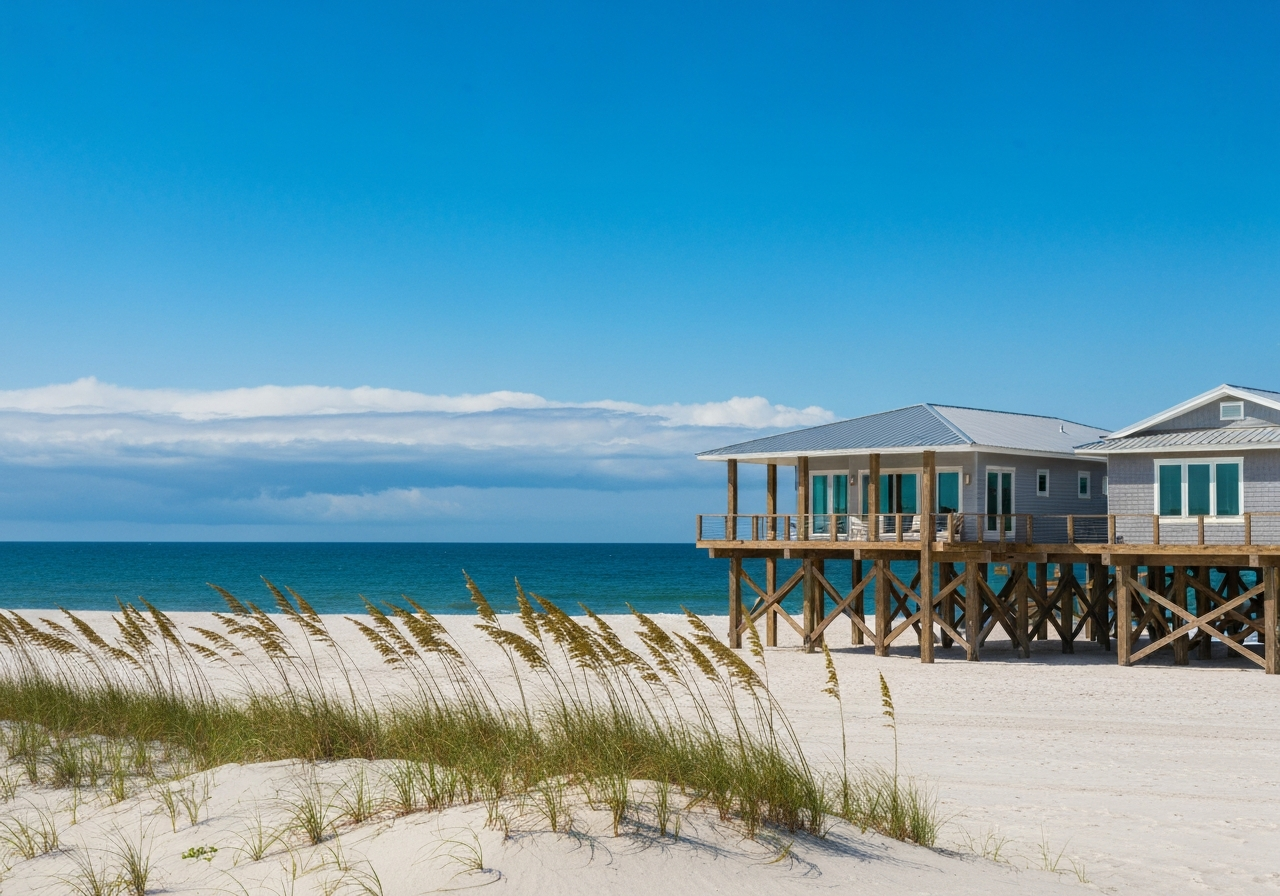
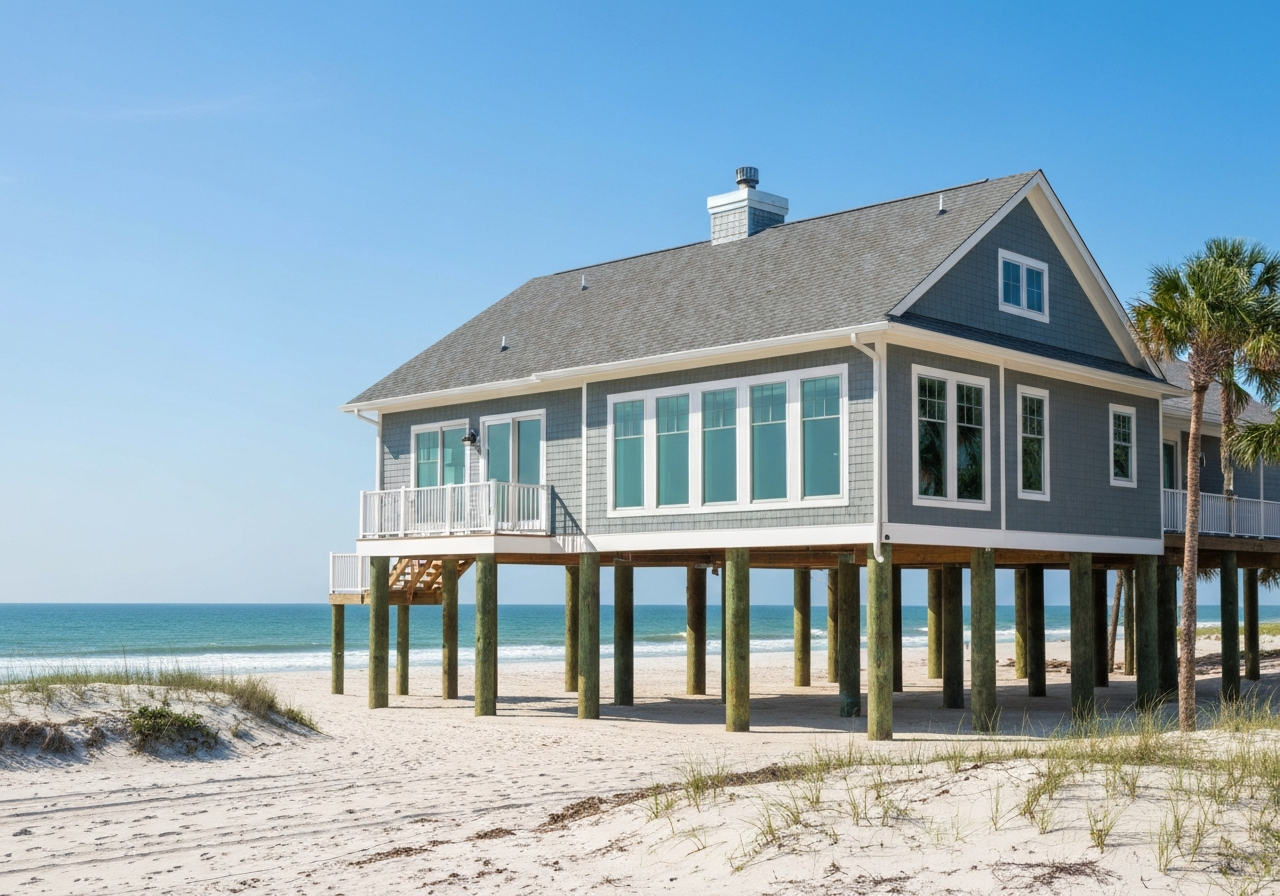
- Elevation: Elevating your home above base flood levels is critical for reducing flood risk and lowering flood insurance costs.
- Emergency Preparedness: Having a clear hurricane plan, including securing outdoor items and knowing evacuation routes, is crucial for safety and minimizing potential damage.
Securing Your Slice of Paradise: Expert Guidance for Coastal Coverage
Navigating the complexities of coastal home insurance requires expert knowledge. Because standard homeowners insurance often excludes critical coastal risks, partnering with an experienced insurance professional is essential. They can help you understand the interplay between your various policies (homeowners, windstorm, flood), identify potential coverage gaps, and ensure you receive the specialized protection your beachfront home truly needs.
Whether you reside in Mount Pleasant, North Myrtle Beach, or any other coastal community, securing the right coastal home insurance is about more than just a policy—it’s about protecting your peace of mind and your valuable investment against the unpredictable forces of nature.
Ready to protect your coastal home? Contact us today for expert guidance.