Usage-based auto insurance in the Carolinas uses telematics (an app or plug-in) to score mileage and driving. North Carolina treats these programs as discount tools (no surcharge per NCDOI), while South Carolina rules are not the same.
Auto liability limits South Carolina North Carolina start at a 25/50/25 statutory minimum in SC. NC requires 50/100/50 for policies issued or renewed on or after July 1, 2025.
Dog liability homeowners insurance Carolinas usually answers a guest injury through Coverage E (personal liability) and Coverage F (guest medical payments). Limits, exclusions, and carrier underwriting still decide how far the protection goes.
Electric vehicle auto insurance Carolinas still sits on the personal auto form used for gas models in South Carolina and North Carolina. Collision and comprehensive typically treat the high-voltage pack as part of the vehicle after a covered crash, theft, fire, or flood, while a wall-mounted Level 2 charger is usually a homeowners question.
Adding teen driver North Carolina auto insurance is a Level 2 deadline. NCDMV wants the teen listed on liability proof for the road test, and a Level 1 permit holder is not a licensed driver for the inexperienced-operator surcharge.
Inherent diminished value is the market discount that remains after a quality repair because the crash sits on the history report. In South Carolina and North Carolina that residual loss is usually presented on the at-fault driver's liability policy, not as a first-party collision add-on.
A 2022 ISO HO-3 in the Carolinas usually caps property used primarily for business at $3,000 on the residence premises and $1,500 away, and it excludes injury arising out of a business conducted from the home. HO 04 12 can raise the property cap; HO 07 01 can add property, income, and liability for an eligible owned practice, but not professional liability.
A current home inventory is how homeowners insurance in the Carolinas tests Coverage C. Contents are often 50 percent of Coverage A, and a room-by-room list flags special sublimits and gives an adjuster facts instead of memory.
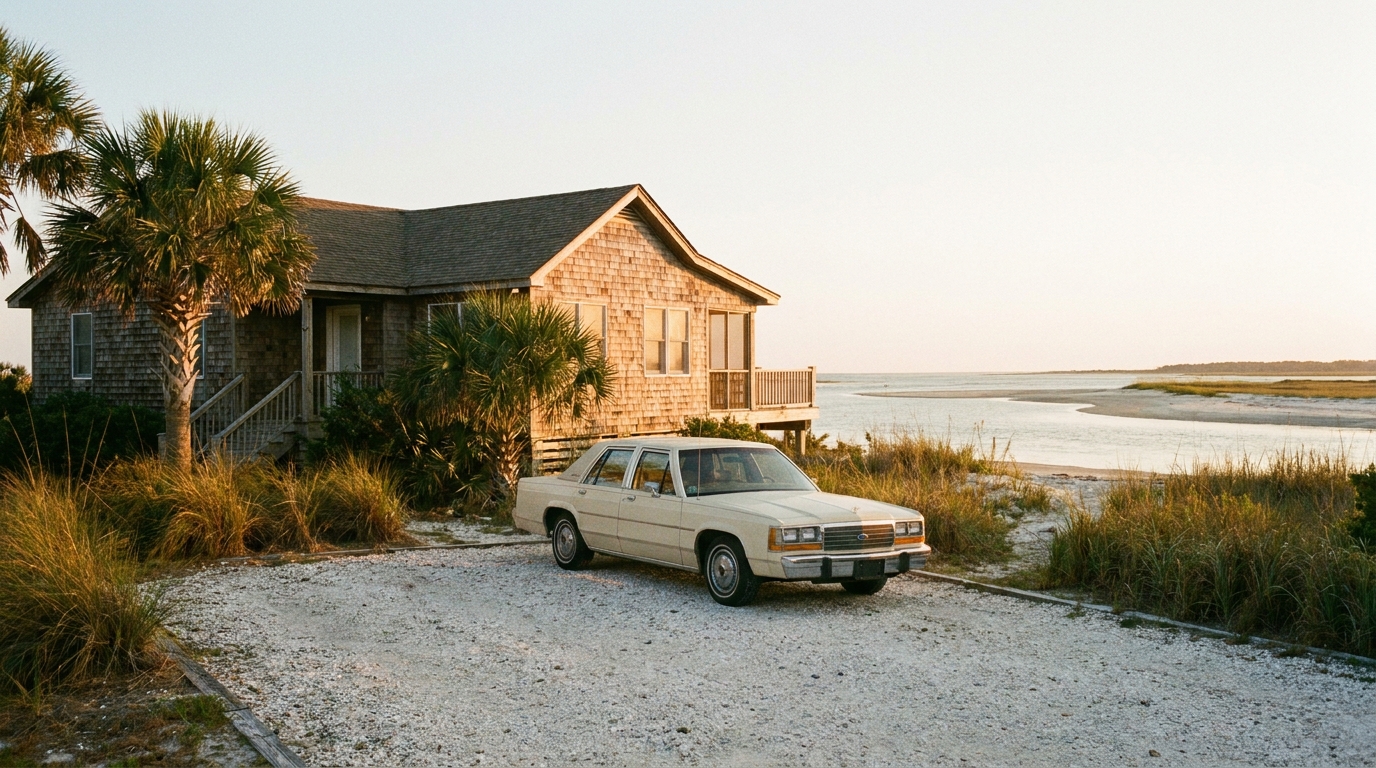
Seasonal home insurance in South Carolina and North Carolina starts with occupancy. Owner-used seasonal and secondary homes may still take a homeowners package; dwellings that are not the owner's primary residence often need a dwelling fire form, and flood stays on a separate policy.
Collision and comprehensive pay actual cash value minus the deductible after a covered total loss on a financed or leased vehicle in South Carolina and North Carolina. Gap coverage sits between that settlement and the contract payoff, and a dealer GAP waiver is not the same as an auto-policy endorsement.