Carolina HVAC shops typically need a stack, not one policy: general liability including completed operations, inland marine for tools in the van, commercial auto, and workers compensation. North Carolina generally requires workers comp at three regular employees; South Carolina generally requires it at four.
Carolina lawn-care companies usually need four coverages working together: general liability, insurance for mowers and tools, commercial auto, and workers compensation. South Carolina generally requires workers compensation at four or more employees; North Carolina generally requires it at three or more.
A standard homeowners policy in North Carolina or South Carolina covers jewelry, art, and collections, but special limits are often far below replacement cost. Scheduled personal property jewelry coverage lists those items at an agreed or appraised amount and can follow them off the premises.
If you keep a motorcycle registered in South Carolina or North Carolina, you still need that state's minimum liability and uninsured motorist coverage. Collision, comprehensive, custom parts, riding gear, and winter storage are usually optional unless a lender or the plate rules say otherwise.
An HO-4 is the standard renters policy for apartments, condos, and seasonal leases in the Carolinas. It covers your belongings, personal liability, and extra living costs after a covered loss, not the building or flood.
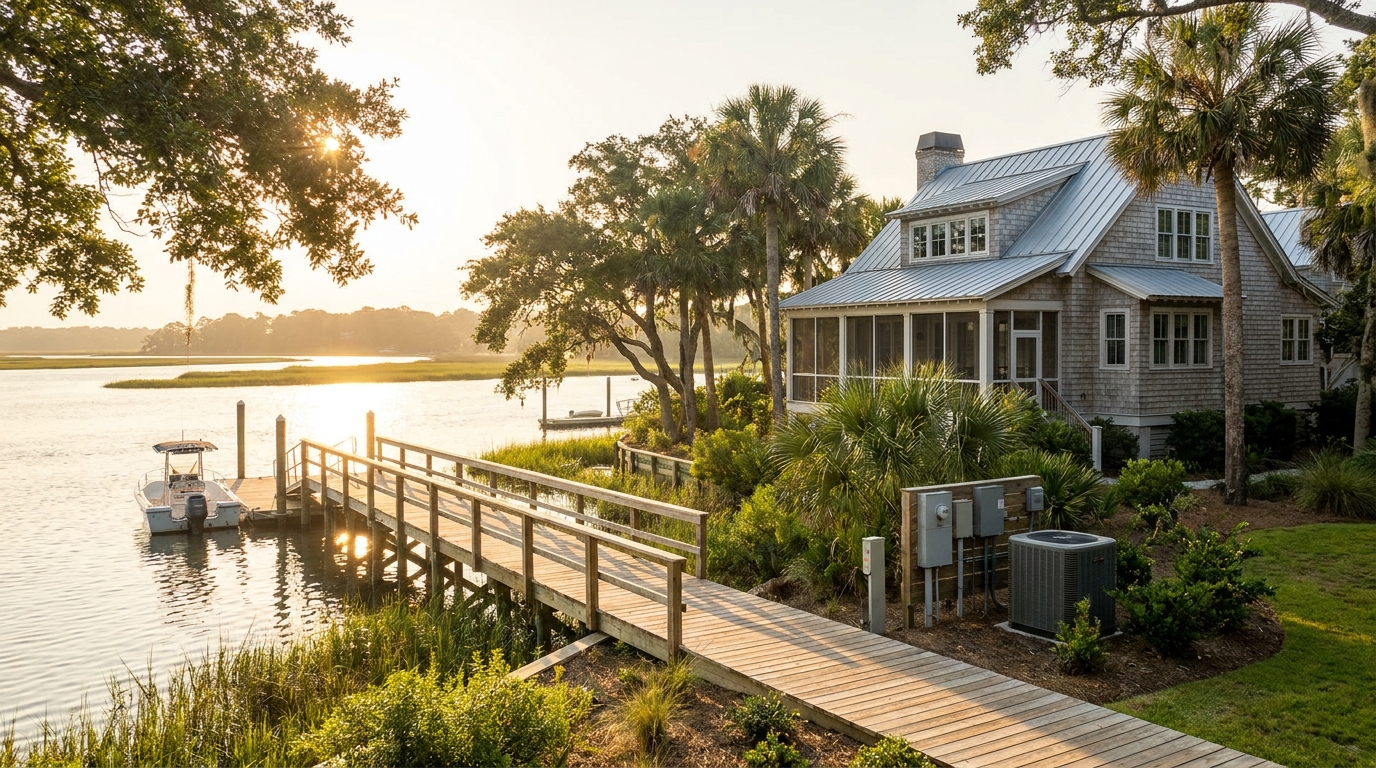
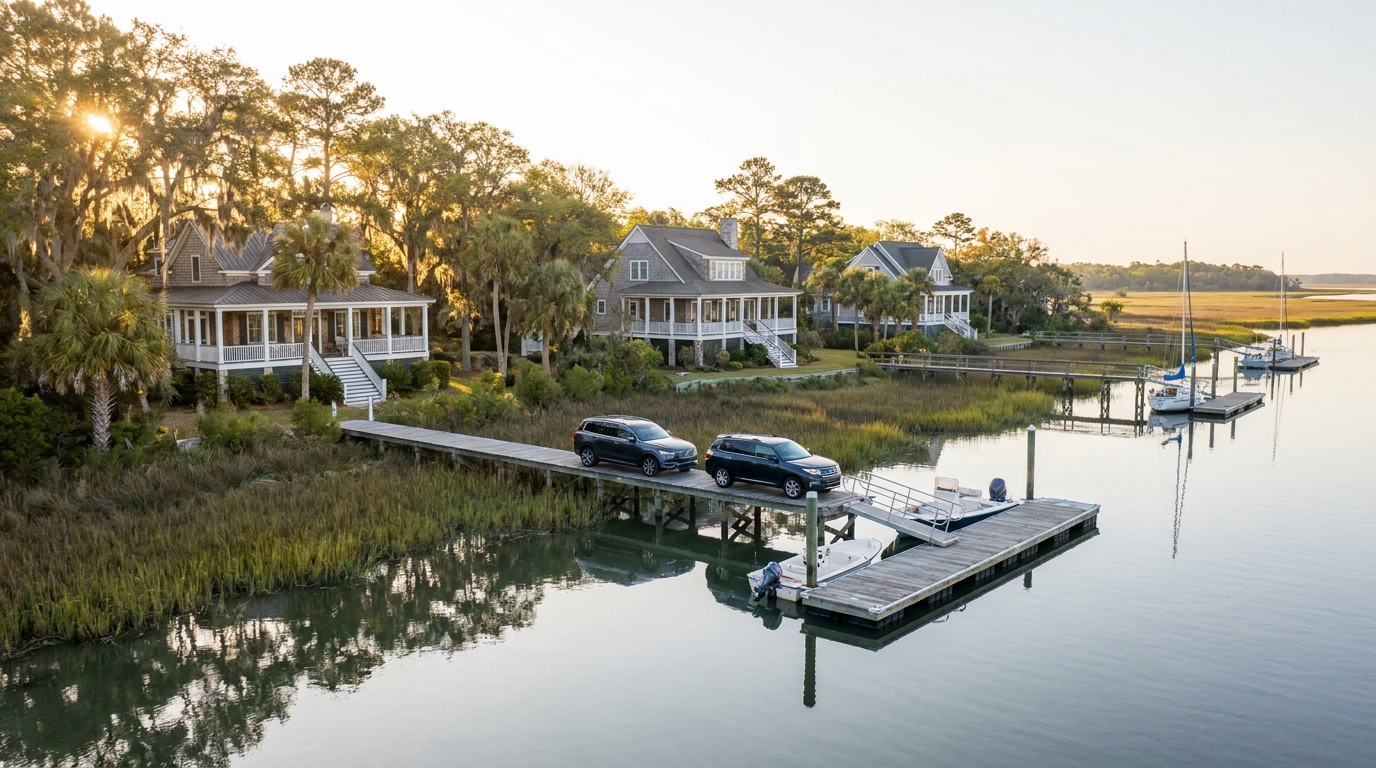
On the Carolina coast, boat insurance is three decisions that work together: hull damage, liability, and storm-season planning. Small craft often have only thin homeowners limits, while larger boats and personal watercraft usually need a dedicated policy.