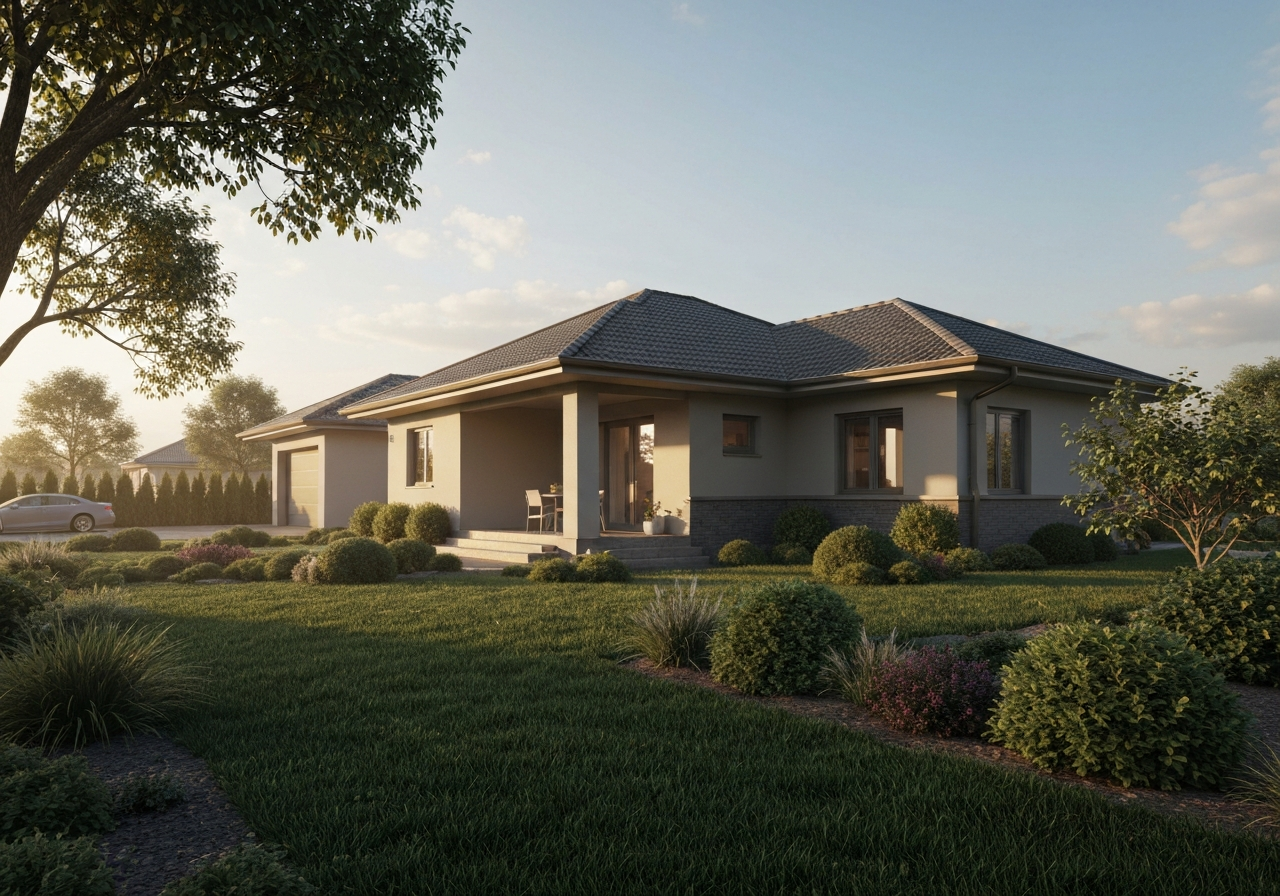
Introduction: Protecting Your Biggest Investment with Confidence
Owning a home is a significant milestone and likely your largest asset. Protecting this investment from unforeseen events is crucial, and that’s where understanding Homeowners Insurance Basics comes into play. A comprehensive homeowners insurance policy provides essential financial protection against property damage, personal liability, and unexpected living expenses, ensuring your peace of mind.
Understanding Homeowners Insurance Basics: Your Essential Guide
Homeowners insurance is a package policy, offering broad coverage against various perils that could damage your home or belongings, as well as protecting you from liability for accidents on your property. This vital coverage shields you from the financial burden of repairing or rebuilding your home in the event of a covered disaster. It is crucial to approach purchasing homeowners insurance with the same diligence as any other major investment, comparing policies not just on price, but on the depth and breadth of coverage they offer.
Most mortgage lenders require homeowners insurance as a condition of your loan, underscoring its importance in safeguarding both your investment and theirs. Even without a mortgage, carrying a robust policy is a smart financial decision to protect your assets and future. For a deeper dive into how homeowners insurance functions, refer to a comprehensive guide to understanding homeowners insurance.
Key Components of Your Homeowners Policy: What’s Covered?
A standard homeowners insurance policy is typically divided into several key components, each designed to cover different aspects of potential loss. Understanding these parts is fundamental to securing adequate protection:
- Dwelling Coverage (Coverage A): This covers the physical structure of your home, including the roof, walls, floors, windows, and built-in appliances. It also extends to attached structures like garages, porches, or decks. The primary goal of this coverage is to provide enough funds to rebuild your home if it’s destroyed by a covered peril, like fire, hail, or windstorm. It’s essential to insure your home for its replacement cost, not its market value, as rebuilding costs can fluctuate significantly.
- Other Structures Coverage (Coverage B): This protects structures on your property that are not attached to your main dwelling, such as detached garages, sheds, or fences. Coverage for other structures is typically set as a percentage (often 10%) of your dwelling coverage.
- Personal Property Coverage (Coverage C): This covers your personal belongings, including furniture, clothing, electronics, and other movable items. Importantly, this coverage often extends beyond your home, protecting your possessions anywhere in the world from covered perils like theft or fire. For expensive items like jewelry, furs, or valuable collections, standard policies may have dollar limits, necessitating additional coverage through special personal property floaters or endorsements.
- Loss of Use Coverage (Coverage D): Also known as Additional Living Expenses (ALE), this coverage helps pay for increased living costs if your home becomes uninhabitable due to a covered loss. This can include hotel stays, restaurant meals, and other necessary expenses incurred while your home is being repaired or rebuilt.
- Personal Liability Coverage (Coverage E): This crucial component protects you financially if you or a member of your household (including pets) accidentally cause bodily injury or property damage to others. It covers legal defense costs and any court-awarded damages, up to your policy limits.
- Medical Payments to Others (Coverage F): This pays for reasonable medical expenses for guests accidentally injured on your property, regardless of who is at fault. It is not a substitute for health insurance for your own family members.
Types of Homeowners Insurance: From Actual Cash Value to Guaranteed Replacement
The type of homeowners insurance you choose significantly impacts how claims are paid. Here are the primary types of coverage related to property valuation:
-
Actual Cash Value (ACV): This coverage pays to repair or replace your damaged property minus a deduction for depreciation due to age and wear and tear. While ACV policies typically have lower premiums, the payout may not be enough to fully replace older items with new ones. For example, a 10-year-old television stolen from your home would be reimbursed at its depreciated value, not the cost of a brand-new TV. Understanding the difference between actual cash value and replacement cost is essential when considering your budget and risk tolerance.
-
Replacement Cost (RC): This policy pays the cost to repair or replace your damaged property with new items of like kind and quality, without deducting for depreciation. This offers greater financial protection, as it aims to restore your home and belongings to their pre-loss condition. Many standard policies provide replacement cost for the dwelling structure, but personal property may require an upgrade for this coverage.
-
Extended Replacement Cost: This endorsement provides an additional percentage of coverage (e.g., 20% to 50%) above your dwelling coverage limit. This is particularly valuable if rebuilding costs spike due to widespread damage after a major disaster, preventing underinsurance.
-
Guaranteed Replacement Cost: This is the highest level of protection, paying the full cost to repair or replace your home, even if it exceeds your policy limits. Not all insurers offer this, and it comes with a higher premium. However, it offers the most comprehensive safeguard against unexpected increases in construction costs.
-
Modified Replacement Cost: For older homes, some insurers offer this, which pays for repairs using modern, standard building materials and construction techniques rather than replicating original, potentially more expensive or difficult-to-find features like ornate plasterwork.
Common Exclusions: Understanding What Your Standard Policy Might Not Cover
While homeowners insurance offers broad protection, it’s equally important to understand what your standard policy typically does *not* cover. These are known as exclusions and often require separate policies or endorsements for coverage:
- Flooding: Damage from floods, whether from heavy rainfall, storm surges, or overflowing rivers, is almost universally excluded from standard homeowners policies. Separate flood insurance, often available through the National Flood Insurance Program (NFIP), is necessary to protect against this common disaster.
- Earth Movement: Earthquakes, landslides, sinkholes, and mudflows are generally excluded. Specialized earthquake insurance or a “difference in conditions” policy can provide this coverage.
- Maintenance and Neglect: Homeowners insurance is designed for sudden and accidental damage, not for issues arising from a lack of routine maintenance or neglect. This includes problems like slow leaks, wear and tear, or pest infestations. Proactive home maintenance is key to preventing these types of losses.
- Mold: Coverage for mold damage can be complex. Generally, it’s only covered if it results from a sudden and accidental peril that is already covered by your policy, such as a burst pipe. Mold caused by long-term leaks or poor ventilation is usually excluded. Some insurers offer endorsements for mold remediation.
- War and Government Action: Losses due to acts of war, declared or undeclared, nuclear hazards, or government action (like confiscation of property) are typically excluded.
- Intentional Loss: Any damage intentionally caused by you to your property to file a claim will not be covered and could lead to legal consequences for insurance fraud.
- Sewer and Drain Backups: Damage from backed-up sewer lines, drains, or sump pumps is often excluded but can usually be added via a water backup endorsement.
- Wind Damage in High-Risk Areas: In hurricane-prone states along the Atlantic and Gulf coasts, wind damage may be excluded or subject to a separate, higher deductible (often a percentage of your dwelling coverage, as explained in your hurricane deductible guide).
Factors That Influence Your Homeowners Insurance Premiums
Several factors play a significant role in determining the cost of your homeowners insurance. Understanding these can help you manage your premiums:
- Location: Your home’s geographical location is a major factor. Properties in areas prone to natural disasters (like hurricanes, wildfires, or hail storms) or with high crime rates typically face higher premiums. Proximity to a fire hydrant and fire station can also influence rates.
- Home Characteristics: The age, size, construction type (e.g., frame, masonry), roof materials, and overall condition of your home all affect its rebuild cost and, consequently, your premium. Older homes or those with unique features may incur higher costs.
- Coverage Amounts and Deductibles: Higher coverage limits provide more protection but result in higher premiums. Similarly, your deductible choice impacts your premium; a higher deductible (the amount you pay out-of-pocket before insurance kicks in) generally leads to lower premiums, but means more personal responsibility if you file a claim.
- Claims History: A history of past claims, both yours and previous claims on the property, can influence your rates. Insurers view frequent claims as an indicator of higher future risk.
- Credit Score: In many states, your credit score can be a factor in determining your insurance rates. Maintaining a good credit history can often lead to more favorable premiums.
- Protective Devices: Installing safety and security features, such as burglar alarms, smoke detectors, sprinkler systems, and deadbolt locks, can often qualify you for discounts.
Smart Tips for Reducing Your Home Insurance Costs
Managing the cost of your homeowners insurance doesn’t mean sacrificing essential protection. Here are some smart strategies to help reduce your premiums:
- Increase Your Deductible: Opting for a higher deductible can significantly lower your premium. Just ensure you have sufficient savings to cover this amount if you need to file a claim.
- Bundle Policies: Many insurance companies offer discounts if you purchase multiple policies (e.g., home and auto insurance) from them.
- Improve Home Security: Installing security systems, smoke detectors, deadbolt locks, and fire extinguishers can lead to discounts from your insurer.
- Fortify Your Home: In disaster-prone areas, making your home more resistant to specific perils (e.g., storm shutters for hurricanes, impact-resistant roofing for hail) can reduce premiums.
- Maintain a Good Credit Score: As credit scores can influence rates in many states, maintaining a healthy financial history can benefit your insurance costs.
- Regular Maintenance: While not directly reducing premiums, diligently maintaining your home prevents small issues from becoming large, expensive claims that could impact your future insurability or rates.
- Shop Around: Compare quotes from multiple insurance providers to find the most competitive rates for the coverage you need.
- Ask About Discounts: Always inquire about all available discounts, such as those for being a long-term policyholder, having a newer home, or living in a gated community.
- Consider an Inflation Guard: While increasing your premium slightly, an inflation guard endorsement automatically adjusts your dwelling coverage limits to keep pace with rising construction costs, helping to prevent underinsurance over time.
Choosing the Right Provider: What to Look for in a Home Insurance Partner
Selecting the right homeowners insurance provider is about more than just finding the lowest price. It involves entrusting your most valuable asset to a company that will be there when you need them most. Here’s what to prioritize:
- Financial Stability: Look for insurers with strong financial ratings from independent agencies like A.M. Best. This indicates their ability to pay out claims, even after a large-scale disaster.
- Reputation for Claims Handling: Research customer reviews and ratings specifically concerning how quickly and fairly the company handles claims. A smooth claims process is invaluable during a stressful time.
- Comprehensive Coverage Options: Ensure the provider offers a range of policy forms and endorsements that can be customized to your specific needs, location, and property type. This includes options for replacement cost, extended coverage, and specialized peril coverage like flood or earthquake insurance if necessary.
- Customer Service: A responsive and knowledgeable agent or customer service team is crucial for understanding your policy, making adjustments, and guiding you through the claims process.
- Clear Communication: The insurer should provide clear and understandable policy documents, explaining terms like “deductible,” “peril,” and “endorsement” without excessive jargon.
Ready to protect your home with confidence? Visit our Contact Us page to get started today!