Navigating Coastal Risks: An Introduction to Hurricane Deductibles
For those residing in hurricane-prone coastal regions, understanding your homeowners policy for hurricane deductibles is paramount. These specialized deductibles play a crucial role in determining your out-of-pocket expenses following a hurricane event. Unlike standard home insurance deductibles, which are typically a fixed dollar amount, hurricane deductibles are usually calculated as a percentage of your home’s insured value. This distinction is critical for coastal residents to fully grasp their potential financial responsibility when a storm strikes.
What Are Hurricane Deductibles and How Do They Differ?
A hurricane deductible is a specific amount you must pay toward a hurricane damage claim before your insurance coverage begins. This deductible replaces your standard homeowners deductible for losses directly caused by a hurricane. The key differentiator is how it’s calculated. Instead of a flat dollar figure, it’s often a percentage, usually ranging from 1% to 5% of your home’s dwelling coverage limit, though it can be higher in very high-risk areas.
It’s important to distinguish between various types of wind-related deductibles:
- Windstorm or Wind/Hail Deductible: This generally applies to any damage caused by wind or hail, regardless of whether it originates from a named storm or a non-hurricane wind event.
- Named Storm Deductible: Applicable to damage from weather events officially named by the National Weather Service (NWS) or U.S. National Hurricane Center (NHC), including hurricanes, tropical storms, and tropical cyclones.
- Hurricane Deductible: Specifically applies to damage caused by storms officially declared as hurricanes by the NWS or NHC.
Understanding which type of deductible is specified in your policy is vital for homeowners, as each has distinct triggers and implications for your out-of-pocket costs.
Decoding Your Homeowners Policy For Hurricane Deductibles: Percentage vs. Flat Deductibles
When reviewing your homeowners policy for hurricane deductibles, you’ll encounter either percentage-based or, less commonly, flat-dollar deductibles. Most hurricane deductibles are percentage-based, calculated on your home’s insured value. For example, a 2% hurricane deductible on a home insured for $400,000 would mean an $8,000 out-of-pocket expense.
In contrast, a standard dollar deductible might be $1,000, regardless of your home’s insured value. This percentage structure means that as your home’s value increases, so does your potential out-of-pocket cost for a hurricane claim. Some states, like Florida, are unique in that they mandate insurers to offer a $500 flat fee hurricane deductible option in addition to percentage options, albeit often with higher premiums.
Here’s a quick comparison:
| Deductible Type | Calculation Basis | Example (Home Insured for $300,000) |
|---|---|---|
| Percentage Hurricane Deductible (e.g., 2%) | Percentage of home’s insured value | $300,000 x 0.02 = $6,000 |
| Flat Dollar Deductible (Standard) | Fixed dollar amount | $1,000 (applies to non-hurricane perils) |
It is essential to locate the declarations page of your policy, which explicitly details your specific hurricane deductible and how it’s applied.
Understanding the ‘Trigger’ Points for Your Hurricane Deductible
A hurricane deductible is not always in effect. It is activated by a specific “trigger event” defined in your insurance contract. These triggers can vary significantly by state and even by insurer, making it crucial to understand your policy’s precise language. Common trigger points include:
- The National Weather Service (NWS) officially naming a tropical storm.
- The NWS issuing a hurricane watch or warning for any part of your state.
- A hurricane making landfall within a specific distance of the insured property.
- The wind speeds reaching a defined hurricane-strength threshold.
The deductible period also has a defined end, typically ranging from 24 to 72 hours after the last hurricane watch or warning is lifted, or after the storm is downgraded from hurricane status. For instance, in Florida, the deductible period begins when a hurricane watch or warning is issued and can extend up to 72 hours after it ends. Furthermore, in some states like Florida, the hurricane deductible may apply only once per calendar year, regardless of how many hurricanes impact the property, provided you maintain coverage with the same insurer or insurer group. You can learn more about these specifics by consulting resources such as Florida’s Official Guide to Hurricane Deductibles.
Coastal States Where Hurricane Deductibles Are Common
Hurricane deductibles are a fixture in homeowners insurance policies across many coastal states and the District of Columbia. These regions face a higher risk of hurricane activity, prompting insurers to implement these specialized deductibles to manage potential losses. Currently, nineteen states and the District of Columbia have some form of hurricane or named storm deductible in place. These states typically include:
- Alabama
- Connecticut
- Delaware
- Florida
- Georgia
- Hawaii
- Louisiana
- Maine
- Maryland
- Massachusetts
- Mississippi
- New Jersey
- New York
- North Carolina
- Pennsylvania
- Rhode Island
- South Carolina
- Texas
- Virginia
While the presence of these deductibles is widespread, the specific regulations, trigger events, and deductible percentages can vary significantly from one state to another, underscoring the importance of reviewing local policies.
Origins of Hurricane Deductibles: Lessons from Past Storms
The widespread adoption of hurricane deductibles is a direct consequence of historical, catastrophic storm events. Before the early 1990s, homeowners insurance policies typically covered wind damage from hurricanes under a standard deductible. However, the immense financial devastation wrought by storms like Hurricane Andrew in Florida in 1992 and Hurricane Hugo in South Carolina in 1989 forced a reevaluation within the insurance industry. These events revealed that insurers were far more vulnerable to massive weather-related losses than previously understood.
The severity of these storms led to billions of dollars in insured losses. Reinsurance companies, which provide financial backing to primary insurers, began requiring homeowners insurance companies in hurricane-prone areas to reduce their maximum potential losses. This shift in risk management prompted insurers to introduce and seek approval from state regulators for percentage-based hurricane deductibles. By requiring policyholders to bear a larger initial share of hurricane-related costs, insurers could continue to offer coverage in high-risk zones and stabilize premiums.
Tips for Coastal Residents: Managing Your Home Insurance Coverage
For coastal residents, proactive management of your home insurance coverage is essential, especially with hurricane season running from June 1 to November 30 annually. Here are several tips to help you prepare:
- Review Your Policy Annually: Don’t wait for a storm to check your coverage. Understand your policy limits, particularly for dwelling coverage, and ensure they are sufficient to rebuild your home at current construction costs, which may differ significantly from your home’s market value.
- Understand Your Deductibles: Clearly identify your hurricane, named storm, and wind/hail deductibles. Know whether they are percentage-based or flat-dollar amounts and understand their specific trigger points and how they apply over a calendar year or per event.
- Consider Flood Insurance: Standard homeowners insurance policies typically exclude flood damage, which is a major concern during hurricanes. A separate flood insurance policy, often available through the National Flood Insurance Program (NFIP) or private insurers, is a must-have for coastal properties.
- Create a Home Inventory: Document all your possessions with photos and videos. This detailed inventory will significantly expedite the claims process if your belongings are damaged or destroyed.
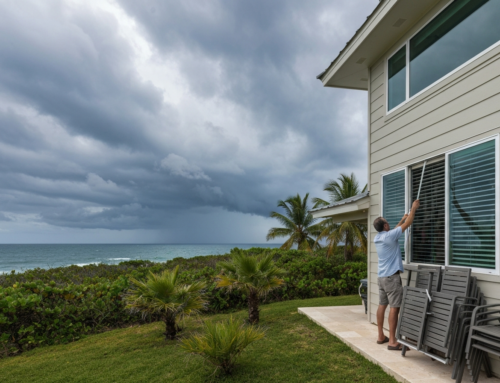
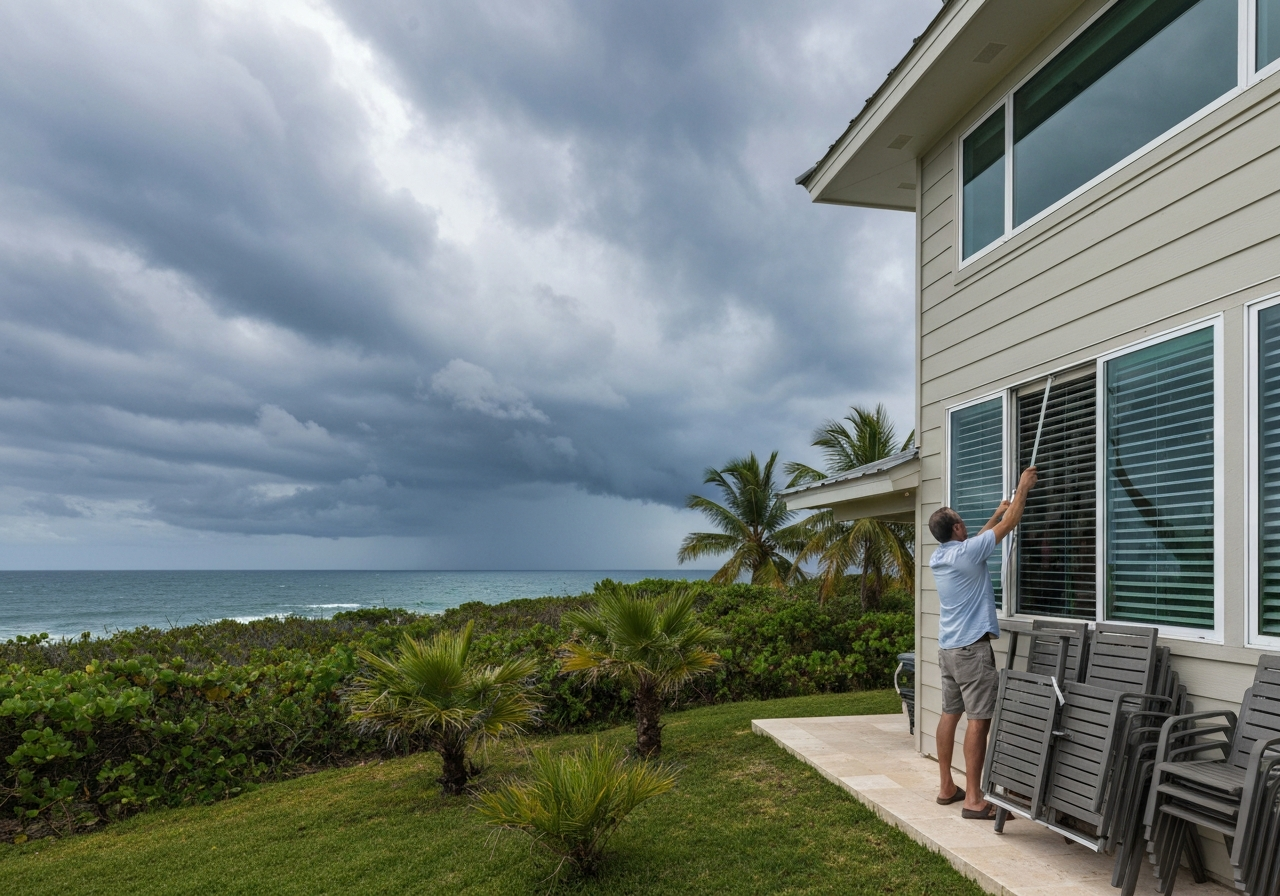
- Reinforce Your Home: Invest in hurricane-resistant upgrades such as storm shutters, reinforced roofs, or impact-resistant windows. Many insurers offer discounts for these mitigation efforts, which can also reduce your premiums.
- Be Aware of Moratoriums: Insurers often place moratoriums on writing new policies or making significant changes to existing ones once a tropical storm is identified as a potential threat. Do not wait until a storm is imminent to secure or adjust your coverage.
For comprehensive insights into protecting your home and personal assets, Beach Insurance LLC also offers a broader range of personal insurance services that can complement your hurricane preparedness strategy.
Securing Your Future: Final Thoughts on Hurricane Deductibles
Navigating the complexities of homeowners policy for hurricane deductibles is a crucial aspect of property ownership in coastal areas. By thoroughly understanding how these deductibles work, their varying triggers, and their implications for your financial well-being, you can make informed decisions to protect your most valuable asset. The historical context of their implementation serves as a powerful reminder of the destructive potential of hurricanes and the importance of adequate preparation. Remember that while a higher deductible might reduce your premium, it also means a greater out-of-pocket expense in the event of a claim. Proactive engagement with your insurance policy, combined with appropriate home reinforcements and supplementary coverage like flood insurance, provides a robust defense against nature’s fury. Taking these steps ensures that you are financially prepared and can rebuild with confidence after a storm.
Ready to secure your home against the unpredictable? Visit our Contact Us page to get personalized advice and coverage options.